You’re eating clean, hitting the gym consistently, and doing everything “right,” but the scale hasn’t budged in days, maybe even weeks. Frustrating? Absolutely. But before you throw in the towel, here’s the truth: a stalled scale doesn’t mean your efforts aren’t working. In fact, it’s one of the most common phases in any weight management journey, and it often has nothing to do with fat loss or failure.
This guide breaks down the science-backed reasons why your weight might be stuck, from metabolic adaptation and hormone shifts to hidden calorie creep and water retention. You’ll learn exactly what to do about each cause, how to track progress more accurately, and when it makes sense to seek professional help.
Metabolic Adaptation Slows Your Calorie Burn
As you lose weight, your body becomes more efficient. A lighter body requires less energy to move and function, which means you burn fewer calories even when doing the same workouts you did at a higher weight.
Why Your Metabolism Changes
Your resting metabolic rate can drop by 5 to 15 percent during prolonged calorie restriction. Non-exercise activity like fidgeting, standing, and walking throughout the day can decrease by 300 to 500 calories daily without you noticing. The same 30-minute walk that burned 250 calories at 200 pounds might only burn 180 calories at 160 pounds.
Fix Your Stalled Weight Loss
Recalculate your total daily energy expenditure using your current weight. Apply a 15 to 25 percent deficit from your new maintenance level rather than using the same deficit that worked earlier. Increase workout intensity with progressive overload, and add high-intensity interval training one to two times per week to boost calorie burn.
Muscle Gain Offsets Fat Loss on the Scale
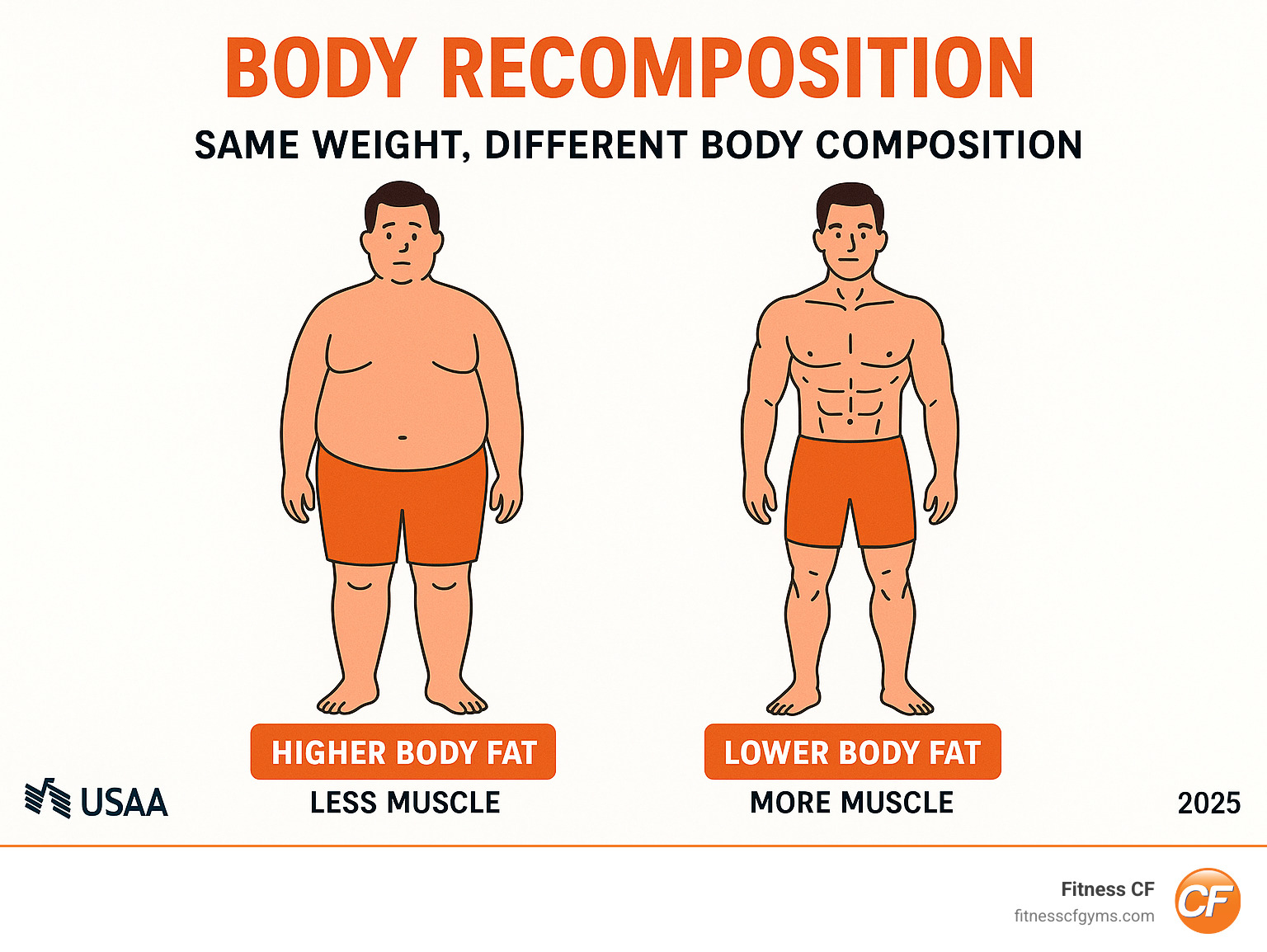
If you’re strength training, the scale may not move even while you’re losing fat. Muscle is denser than fat, so you can lose significant volume without seeing the number change.
How Body Recomposition Works
One pound of fat is roughly the size of a grapefruit. One pound of muscle is about the size of a tangerine. When you lose fat and gain muscle simultaneously, your body shrinks but your weight stays stable. This is called body recomposition, and it’s especially common in the first three to six months of consistent resistance training.
Signs You’re Recomposing
Look for these indicators that fat is still coming off even when weight isn’t. Your clothes may fit looser, especially around the waist. You might see increased muscle definition. Your workout strength could be improving. Waist or hip measurements may be decreasing even though the scale shows no change.
Track Progress Without the Scale
Take progress photos every two to four weeks in consistent lighting. Measure your waist, hips, arms, and thighs monthly. Consider a DEXA scan or skinfold testing to measure actual body fat percentage changes.
Hormonal Shifts Increase Hunger and Cravings

Losing weight changes your hormones in ways that make further loss biologically harder. Two key hormones work against you: leptin and ghrelin.
Leptin Drops While Ghrelin Rises
Leptin tells your brain you’re full. As fat stores shrink, leptin production decreases, and you feel less satisfied after eating. Ghrelin, the hunger hormone, increases during calorie restriction, pushing you to eat more even when you don’t need the calories.
Cortisol From Stress Blocks Fat Loss
Chronic stress raises cortisol levels, which promotes belly fat storage, reduces fat burning, increases cravings for sugary foods, and disrupts your sleep. This creates a frustrating cycle where stress hinders weight loss, and frustration about stalled progress creates more stress.
Manage Hormonal Hunger
Prioritize seven to nine hours of sleep nightly. Eat enough protein, aiming for 0.8 to one gram per pound of body weight. Stay hydrated since thirst often mimics hunger. Practice mindfulness or meditation for five minutes daily to lower cortisol levels.
Calorie Creep Eliminates Your Deficit
Over time, small eating changes add up without you realizing it. This silent plateau trigger is called calorie creep, and it can completely erase your caloric deficit.
Common Sources of Hidden Calories
An extra spoonful of oil when cooking adds about 120 calories. Larger portions when you’re not measuring can easily add 200 calories. Snacks, alcoholic drinks, and sugary beverages often go unlogged. Just 100 to 200 extra calories per day prevents 0.2 to 0.4 pounds of fat loss per week.
You’re Probably Underestimating Intake
Visual portion estimates are typically 20 to 30 percent too low. Hidden calories in dressings, sauces, cooking oils, and condiments frequently go untracked. That “splash” of olive oil in the pan could be three tablespoons instead of one.
Re-Anchor Your Diet
Track all food for three to seven days using an app like MyFitnessPal or Cronometer. Use a kitchen scale and measuring spoons for accuracy. Weigh and log everything, including oils, butter, and condiments. Schedule weekly check-in days to review your habits and catch drift early.
Water Retention Masks Fat Loss
Fluid fluctuations can hide fat loss for days or even weeks. The scale moves up and down, but it’s not fat changing.
Why Water Weight Fluctuates
High sodium intake causes fluid retention. Carbohydrate refeeds cause your body to store glycogen, and each gram holds three to four grams of water. Menstrual cycle phases lead to pre-period bloating in women, which can cause up to five to eight pounds of water retention. Intense workouts cause inflammation and temporary fluid shifts.
Daily Weight Can Vary Wildly
Water weight can swing two to five pounds in a single day. This is why daily weigh-ins are misleading and frustrating. The number on the scale reflects fluid balance, food in your digestive system, and waste, not just body fat.
Reduce Unnecessary Water Retention
Limit processed foods, which are high in sodium. Eat potassium-rich foods like bananas, spinach, and sweet potatoes. Stay hydrated since dehydration actually causes your body to retain fluid. Be patient, as water balance typically evens out within a few days.
Gut Health Affects Weight Regulation
Your gut microbiome plays a bigger role in weight than most people realize. An imbalance in gut bacteria can stall progress in ways that aren’t visible on the scale.
Signs of Poor Gut Health
Watch for chronic bloating, irregular digestion, food sensitivities, and low energy. These symptoms often indicate dysbiosis, an imbalance in your gut bacteria that affects metabolism.
How Gut Bacteria Influence Weight
A diverse microbiome supports healthy metabolism and efficient fat burning. Dysbiosis is linked to inflammation, insulin resistance, and altered hunger signals. Research from Harvard Medical School shows clear connections between gut health and body weight.
Improve Your Gut Health
Eat probiotic foods like yogurt, kefir, sauerkraut, and kimchi. Add prebiotic foods like garlic, onions, oats, bananas, and asparagus. Consider a probiotic supplement if needed. Note that gut changes take four to twelve weeks to impact weight.
Hormone Imbalances Can Stall Progress

More than 50 hormones regulate metabolism. Imbalances in key hormones can stop weight loss completely, even when you’re doing everything else right.
Thyroid Problems
An underactive thyroid, indicated by low T3 and T4 with elevated TSH, slows your metabolism dramatically. Symptoms include fatigue, cold hands and feet, dry skin, and constipation. A blood test can diagnose this, and medication under a doctor’s care typically resolves it.
Insulin Resistance
When cells ignore insulin, high insulin levels promote fat storage, especially in the abdominal area. This is common in prediabetes and often accompanies belly fat gain. Fasting glucose, HbA1c, or HOMA-IR tests can diagnose this condition.
Sex Hormone Imbalances
Women experiencing menopause or perimenopause face estrogen drops that cause central weight gain. Low testosterone in both men and women reduces muscle mass and increases fat storage. These imbalances often require medical testing and potentially hormone replacement therapy.
Get Tested
Request a comprehensive hormone panel from your doctor. Work with a medical professional on hormone replacement therapy if needed. Combine any medical treatment with lifestyle changes focusing on sleep, diet, and stress control.
Common Medications Can Cause Plateaus
Many prescription medications affect weight. Never stop taking prescribed medication, but discuss alternatives with your doctor if weight is a concern.
Medications That Impact Weight
Antidepressants like sertraline and amitriptyline can increase appetite and cause fluid retention. Antipsychotics such as olanzapine promote fat storage. Beta-blockers like propranolol lower metabolic rate. Corticosteroids like prednisone cause water retention and fat redistribution. Insulin and certain diabetes medications promote fat storage. Some birth control pills cause modest weight gain through fluid retention.
What to Do
Never stop medication without medical advice. Ask your doctor if weight-friendly alternatives exist. Focus on controllable factors like diet quality, exercise, sleep, and stress management while working with your healthcare provider.
Muscle Loss With Age Slows Metabolism
After age 30, adults lose three to eight percent of muscle per decade. This muscle loss, called sarcopenia, makes weight loss progressively harder.
Why Less Muscle Matters
Muscle burns six to seven calories per pound daily at rest. Fat burns only two to three calories per pound. Losing muscle directly lowers your resting metabolic rate, meaning you burn fewer calories even when not exercising.
Fight Age-Related Muscle Loss
Lift weights two to three times per week, targeting all major muscle groups. Use progressive overload by gradually increasing weight, reps, or sets. Eat enough protein, targeting 1.6 to 2.2 grams per kilogram of body weight. Consider B12 or MIC injections under professional supervision for energy and metabolism support.
Nutrient Deficiencies Hinder Fat Loss
Low levels of key nutrients impair metabolism and reduce energy. Common deficiencies that stall weight loss include vitamin D, B12, iron, magnesium, and omega-3 fatty acids.
Vitamin D
Low vitamin D is linked to obesity and insulin resistance. Deficiency signs include fatigue and frequent illness. Get tested and supplement if needed, especially in winter months or if you have limited sun exposure.
B12 and Iron
B12 deficiency causes brain fog, weakness, and anemia. Iron deficiency leads to fatigue, shortness of breath, and low energy. Both are common, especially in women and vegetarians. Blood tests can identify deficiencies, and supplements or injections can correct them.
Fix Nutrient Gaps
Get blood work to identify specific deficiencies. Eat nutrient-dense foods including fish, greens, nuts, eggs, and lean meats. Use supplements or injections if dietary changes aren’t sufficient. Address deficiencies before expecting smooth weight loss.
Track Progress Beyond the Scale
The scale measures total body weight, which includes muscle, water, bone, and fat. It can’t distinguish between these components, making it a poor sole indicator of progress.
Use Body Measurements
Measure your waist at the navel, hips at the widest point, and limbs monthly. A shrinking waist indicates fat loss even when weight stays stable. Use the same tape measure and measure at the same time each month under consistent conditions.
Try Body Fat Testing
DEXA scans provide the most accurate measurement of fat, muscle, and bone. Skinfold calipers are affordable but require proper technique. BIA scales found in many smart scales are convenient but affected by hydration status.
Take Progress Photos
Photograph your front, side, and back views every two to four weeks. Use consistent lighting, clothing, and time of day. Photos often reveal changes that the scale cannot capture.
Celebrate Non-Scale Victories
Notice when clothes fit better, energy improves, sleep gets better, workouts get stronger, or mood improves. These are real signs of progress that matter just as much as the number on the scale.
When to Seek Professional Help
If you’ve optimized diet, exercise, sleep, and stress management and the scale still won’t budge after four to six weeks, consider medical support.
Who Should Consider Professional Help
Long-term dieters with persistent stalls, people with known or suspected hormonal imbalances, individuals taking weight-affecting medications, and post-bariatric surgery patients may all benefit from professional intervention.
What Medical Weight Loss Programs Offer
Professional programs provide personalized meal plans based on your metabolism, lab testing for hormones and nutrient deficiencies, injectable support like B12, MIC, or hormone therapy, and behavioral counseling for sustainable changes.
Final Takeaways: Reframe the Plateau
A non-moving scale isn’t failure. It’s feedback. Your body has adapted, and your strategy needs to shift accordingly.
Key Mindset Shifts
Plateaus are normal and happen to everyone pursuing weight management. Progress is multidimensional, and the scale shows only one piece of the puzzle. Non-scale victories are valid and meaningful indicators of real change. Long-term health matters more than short-term weight loss numbers.
Your Action Plan
Recalculate your calorie needs using current weight. Track food and portions meticulously for seven days. Add strength training or increase workout intensity. Improve sleep quality and manage stress. Measure, photograph, and assess how clothes fit. Consult a doctor if stalled for more than six weeks with no progress.
Even if the scale doesn’t move, you’re still making progress when you build healthy habits. Sustainable change isn’t about perfection. It’s about persistence, patience, and progress on every level.
Frequently Asked Questions About Weight Not Moving on Scale
Why is the scale not moving even though I’m eating less and exercising more?
Weight loss isn’t determined solely by calories in versus calories out. Metabolic adaptation reduces your calorie burn as you lose weight. Hormonal changes increase hunger. Hidden calorie creep may be eliminating your deficit. Water retention can mask fat loss. Consider whether you’re also gaining muscle through strength training, which would offset fat loss on the scale.
How long do weight loss plateaus typically last?
Plateaus can last anywhere from a few days to several weeks. Most resolve with adjustments to diet, exercise, sleep, or stress management. If no progress occurs after four to six weeks despite consistent effort, consider medical evaluation for underlying issues like hormonal imbalances or nutrient deficiencies.
Can stress really prevent weight loss?
Yes. Chronic stress elevates cortisol, which promotes fat storage, especially visceral fat. High cortisol reduces fat burning, increases appetite, and disrupts sleep. This creates a cycle where stress impedes weight loss, and frustration about stalled progress increases stress. Managing stress through meditation, adequate sleep, and relaxation techniques is essential.
Should I stop weighing myself altogether?
Weigh yourself once per week at most under consistent conditions, such as the same time of day, same clothing, and after using the toilet. Don’t rely solely on the scale. Combine weigh-ins with measurements, progress photos, and non-scale victories like how clothes fit, energy levels, and workout performance.
Why am I losing inches but not weight?
Losing inches without losing weight indicates body recomposition. You’re likely losing fat and gaining muscle simultaneously, which keeps weight stable while your body shrinks. This is especially common with consistent strength training. Measurements, photos, and how clothes fit are better indicators of progress in this situation.