In high-volume manufacturing, pharmaceuticals, food processing, and logistics, industrial scale integration is no longer optional. It is a strategic necessity that transforms passive weighing tools into execution-grade controls. This systematic connection between industrial scales and enterprise platforms like ERP, WMS, MES, and SCADA ensures that every weight captured becomes a trusted, auditable event tied to batch, operator, time, and process context. Without integration, even “paperless” operations rely on error-prone manual data entry that undermines data integrity, compliance, and financial accuracy.
This guide covers the full scope of industrial scale integration, including technical integration methods, compliance requirements for 21 CFR Part 11 and EU Annex 11, industry-specific applications, validation best practices using GAMP 5 and CSV approaches, and proven implementation strategies that move you from fragile manual processes to a resilient, automated data backbone.
Technical Integration Methods for Enterprise Systems

Industrial scale integration requires selecting the right connection method based on your hardware, ERP system, and operational needs. Each approach offers distinct advantages and trade-offs.
Direct Serial and RS-232 Connections
The oldest method uses serial communication to send weight data from scale terminals to a PC or middleware. This approach works well for small plants or single-weighbridge retrofits where budget is constrained. However, RS-232 has significant limitations, including a maximum range under 500 meters, no built-in error correction, and vulnerability to data loss in electrically noisy industrial environments.
OPC-UA for Real-Time SCADA Integration
OPC-UA provides secure, bidirectional communication between scales and SCADA or PLC systems. This protocol supports automated batching, blending, and dosing while enabling remote monitoring and alarm generation for out-of-spec conditions. Modern terminals like the Mettler Toledo IND series offer native OPC-UA support, eliminating the need for middleware in many installations. This method is ideal for cement, mining, and oil and gas facilities where real-time process control is critical.
Database-Level Integration Using ODBC and SQL
Scale terminals or connected PCs can write weight records directly to shared databases like MS SQL or Oracle. The ERP pulls data on schedule or event trigger. This method is auditable and reliable, making it suitable for mid-sized operations with competent IT teams. The primary drawback is that it requires careful management of database permissions and may introduce latency for time-sensitive operations.
API and Web Services for Cloud ERP Environments
Modern REST API integration sends JSON or XML payloads from scales or gateways to ERP endpoints like SAP S/4HANA or Oracle Fusion Cloud. This approach is platform-agnostic, includes built-in error handling and acknowledgment, and requires no direct database access. Organizations seeking long-term scalability should prioritize this method for new deployments.
Purpose-Built Middleware Solutions
Vendor-specific platforms like Mettler Toledo DataBridge offer pre-built connectors for SAP, Oracle, and over 30 other ERPs. These solutions understand the native data model of industrial scales, including weighment IDs, tare weights, material codes, and tolerance flags. The Enterprise tier can process transactions up to 50% faster than custom integrations while eliminating the need for brittle scripting.
| Integration Method | Best For | Key Limitation |
|---|---|---|
| RS-232 Serial | Small plants, budget projects | Limited range, no error correction |
| OPC-UA | SCADA/PLC environments | Requires automation infrastructure |
| Database Write | Mid-sized operations | Potential latency |
| REST API | Cloud ERP, new deployments | Requires development expertise |
| DataBridge | Mettler Toledo users | Vendor lock-in consideration |
Compliance Requirements for Regulated Industries
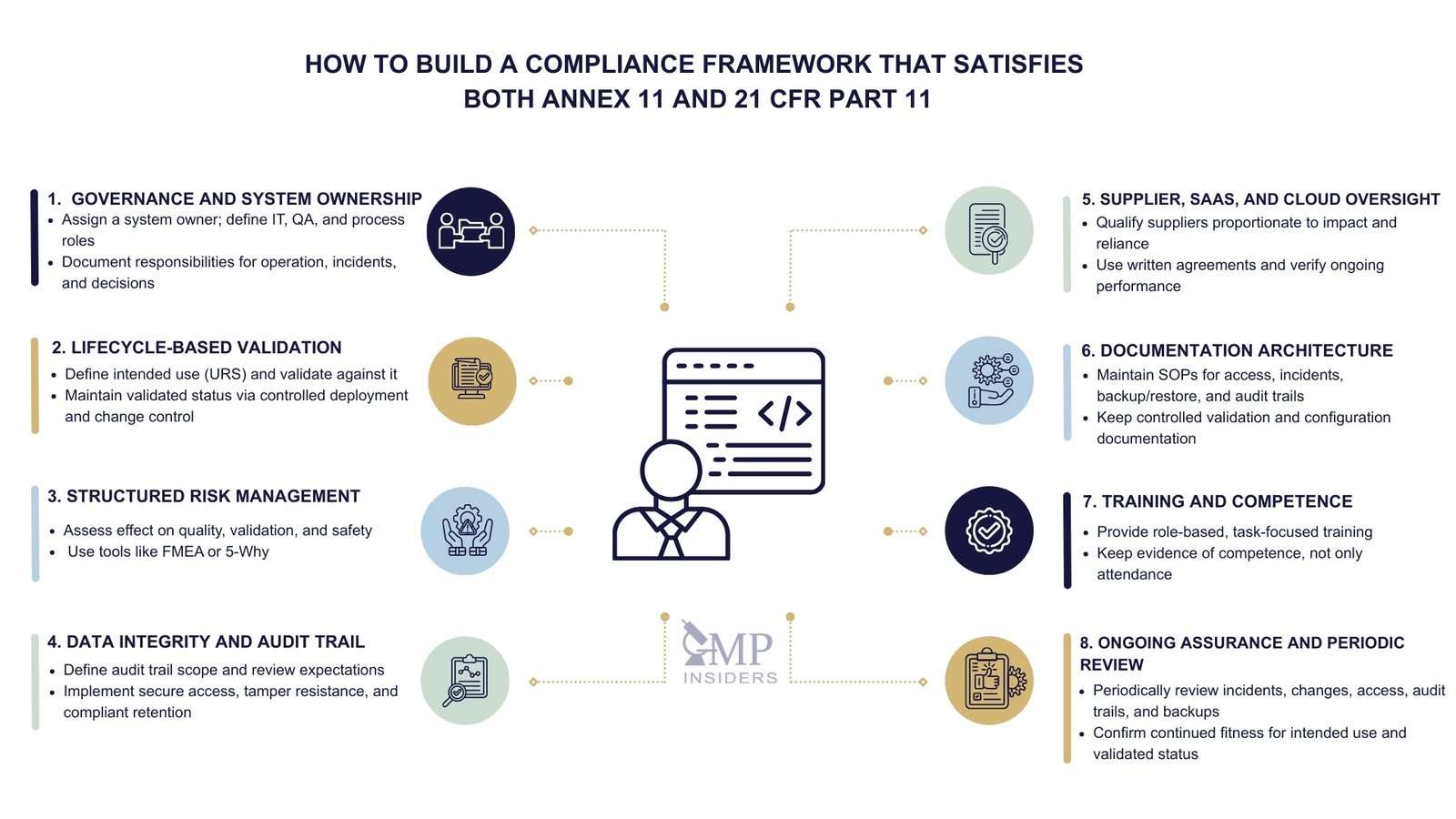
Industrial scale integration is mandatory in regulated environments. It ensures data integrity and audit readiness for pharmaceutical, food, and chemical manufacturing operations.
Meeting 21 CFR Part 11 and EU Annex 11
Both regulations require electronic records to be trustworthy, reliable, and equivalent to paper documentation. Your integrated system must generate tamper-evident records with complete audit trails. Every weigh event needs to capture user ID and role, timestamp with timezone, device ID and location, material code with batch and lot, gross and tare weights, net weight calculation, tolerance status, and reason codes for any overrides.
Systems must prevent silent edits. Corrections require before and after values, electronic signatures, justification with reason codes, and links to quality events like deviations or nonconformances. This ensures that regulatory auditors can trace every piece of data to its origin.
GAMP 5 and CSV Validation Approaches
Formal validation follows a lifecycle approach. Start with a User Requirements Specification defining functional and compliance needs like blocking weighing when calibration is expired. Conduct a risk assessment to identify critical control points including identity enforcement, tare verification, and tolerance gating. Complete Installation Qualification to verify correct hardware and software installation, then Operational Qualification to test all control functions under simulated conditions. Finally, Performance Qualification confirms the system works reliably in the live environment.
A common pitfall involves treating scales as IT devices without metrology oversight. Always include calibration certificates in validation documentation and ensure the system queries calibration databases before allowing weigh events.
Industry-Specific Integration Applications
Different industries require tailored approaches to industrial scale integration based on their unique operational priorities and regulatory requirements.
Pharmaceutical Manufacturing and eBR Compliance
Pharmaceutical companies must enforce electronic batch record requirements with gravimetric verification of raw materials. Integration ensures material identity is verified via barcode or RFID, net weights are compared against recipe targets within defined tolerances, and out-of-window weights trigger SAP QM holds. All actions require electronic signatures and timestamps. This approach reduces investigation burden and accelerates batch release by ensuring every weigh event is documented and defensible.
Food Processing and Bakery Operations
High-speed food production lines demand fast, accurate weighing with minimal operator intervention. Integration with WMS enables real-time in-process control checks, automatic rejection of under or overfilled packages, and complete traceability from ingredient receipt through finished goods. The result is improved yield, fewer customer complaints, and consistent product quality. Washdown scales with IP69K ratings are essential in these environments for maintaining hygiene standards.
Chemical and Resin Manufacturing
Formulations requiring micro-ingredient dosing demand precision control. Integrated systems lock container identity, enforce material segregation, and record micro-ingredient weights with full traceability. This prevents contamination and ensures blend consistency across batches. Load cell integration with OPC-UA enables real-time monitoring of bulk material flows and automated dosing control.
Logistics and Truck Weighing Operations
Unattended truck weighing operations benefit from RFID-driven workflows where drivers scan badges or tags and the system captures gross, tare, and net weights directly into SAP or Oracle. The IND9U terminal supports IP69K ratings for washdown and outdoor environments while syncing data via OPC-UA or REST API. This eliminates manual logs entirely and ensures every transaction is captured automatically.
Preventing Manual Data Entry Errors
Manual weighing creates multiple failure modes that compromise quality, inventory accuracy, and regulatory compliance. True industrial scale integration eliminates these risks through enforcement rather than documentation.
Common Manual Entry Failure Modes
Transcription errors occur when operators transpose digits like entering 12.08 instead of 12.80. Wrong context entry happens when correct weights get recorded to incorrect batches, creating data inconsistency and audit risk. Top-up culture develops when operators adjust quantities by feel to hit targets, causing hidden overuse and inventory mismatch. Uncontrolled tare results when operators assume container weights rather than measuring them, creating systematic bias in yield calculations.
Designing Enforcement Into Workflows
A robust system makes the correct action the fastest path. Operators should complete a weigh step in three clicks: scan material, accept tare, and confirm net weight. Any deviation triggers a governed exception workflow requiring reason codes, approvals, and electronic signatures. Out-of-tolerance weights should block progression and trigger deviation workflows rather than allowing simple acceptance with notes.
Track your manual entry rate as a key performance indicator. A mature system should trend toward zero percent manual entry. Any persistent manual input indicates a workflow gap or usability issue that requires correction. The reality is that if the integrated path is slower than manual entry, operators will bypass it during peak hours. Speed and enforcement must coexist.
Selecting Integration-Ready Hardware
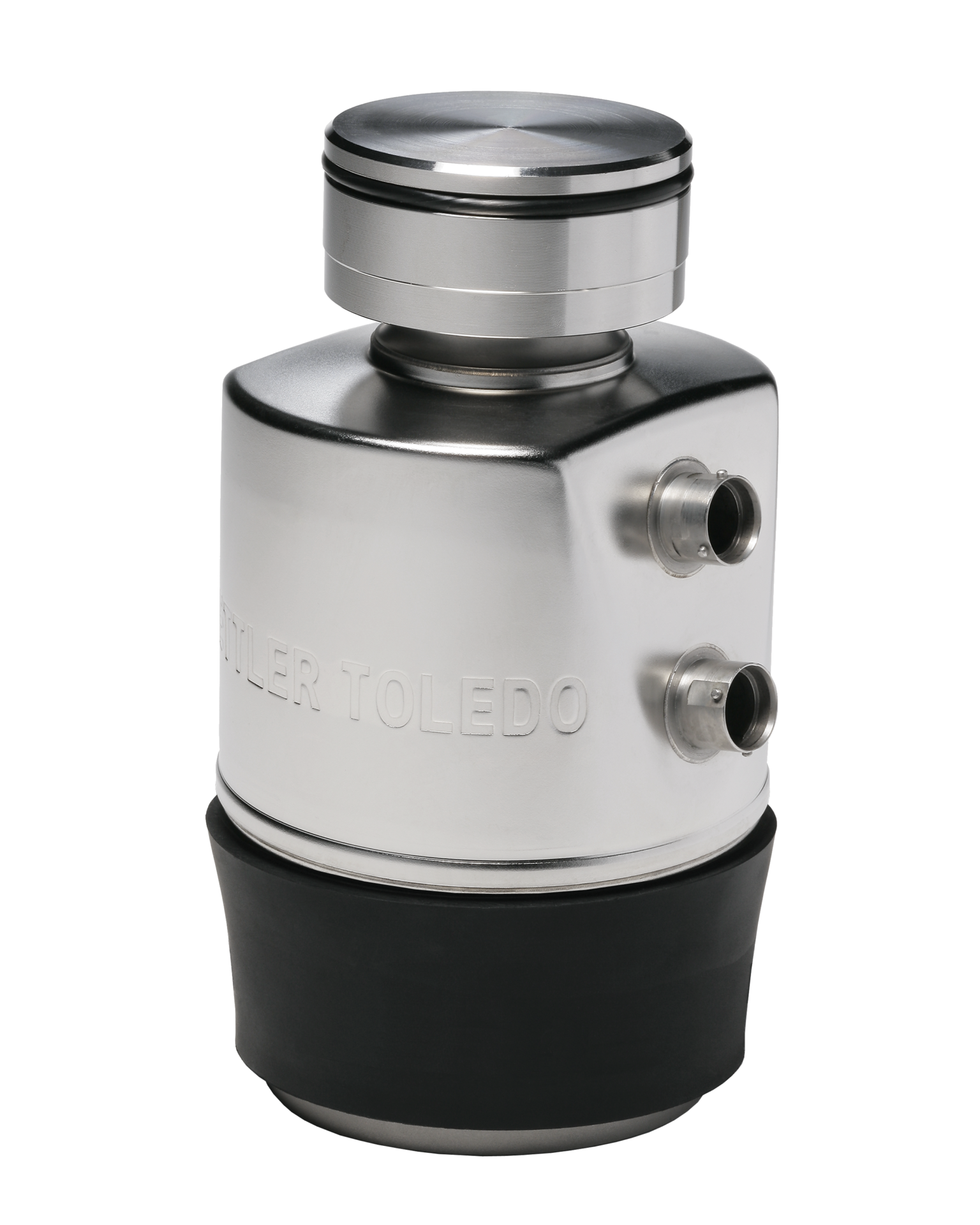
Choosing the right hardware is foundational to successful industrial scale integration. Modern scales offer features specifically designed for enterprise connectivity.
Load Cells and Terminals for Harsh Environments
POWERCELL PDX load cells deliver drift-free performance with a 10-year warranty, making them ideal for long-term measurement stability. Their digital output resists electrical noise and cable length degradation, critical for truck scales with long cable runs. When paired with Mettler Toledo IND-series terminals, they enable automatic diagnostics and calibration alerts that feed directly into your integration layer.
The IND9U unattended terminal supports fully automated workflows without operator intervention. Its IP69K rating ensures durability in washdown and outdoor environments, while onboard data buffering queues transactions during network outages and auto-syncs when connectivity restores. This ensures zero data loss even in facilities with unstable network connections.
Legacy Scale Integration Solutions
Many facilities operate older scales lacking Ethernet or API support. Protocol converters and industrial gateways like the Arlyn UpScale capture RS-232 output and convert it to modern protocols. The Arlyn supports weight streaming from Ohaus, A&D, and Mettler Toledo scales through straightforward configuration.
For A&D EK-600i integration, set Data Output Mode to Command and Stream with Prt equals zero, configure Baud Rate at 9600, and ensure eight data bits with no parity. For Mettler Toledo terminals, set the print output frame to G/T/N for gross, tare, and net weights with a print interval of one second.
Measuring Integration Success
Defining and tracking key performance indicators ensures your industrial scale integration delivers measurable operational improvements.
Key Performance Indicators to Monitor
Manual Entry Rate should trend toward zero percent as operators adopt the integrated workflow. Yield Variance measures standard deviation of batch yields and should decrease over time as weighing accuracy improves. Weigh-Related Deviations track the number and cycle time of nonconformances tied to weighing errors, which should show significant reduction after implementation.
Inventory Accuracy improves as cycle count variance decreases and fewer root causes tie back to weighing issues. Blocked Attempt Count monitors prevented errors like wrong lot or out-of-calibration usage. A temporary increase in blocked attempts actually indicates success, as the system catches errors that previously went undetected.
| KPI | Target Outcome |
|---|---|
| Manual Entry Rate | Trend toward 0% |
| Yield Variance | Decrease over time |
| Weigh-Related Deviations | Significant reduction |
| Inventory Accuracy | Improve to 99.8%+ |
| Blocked Attempt Count | Initial rise, then decline |
Vendor Selection and Demonstration Requirements
Choosing the right vendor determines whether your industrial scale integration achieves enforcement or merely recording. Demand proof of capability before commitment.
Essential Demonstration Scenarios
Reject vendors offering slideshow integrations without live demonstrations. Require them to show blocking a weigh into the wrong batch, rejecting a wrong lot scan, disabling a scale with expired calibration, and handling out-of-tolerance weight. If they cannot demonstrate these enforcement capabilities, the system is recording rather than governing.
Evaluate vendors using a scorecard covering enforcement strength, audit trail depth, exception handling quality, audit readiness, operational speed, and validation fit. Excellent vendors provide hard stops on wrong context, lot, calibration, and tolerance windows by default. They offer full audit trails including user, device, lot, tare and net weights, and reason codes. Their exception workflows are structured with electronic signatures rather than notes-only resolution.
Future Trends in Industrial Scale Integration
Industrial weighing is evolving toward smarter, more autonomous systems that reduce human dependency while improving accuracy and traceability.
Edge Computing and AI Integration
Next-generation scales will make local decisions without cloud dependency. Edge processing enables scales to reject underweight packages, alert on measurement drift, and even auto-calibrate based on internal diagnostics. This reduces latency and ensures critical decisions happen at the point of measurement.
Artificial intelligence models analyzing weight trends can predict formulation issues before they impact product. Gradual tare drift may indicate container degradation, while shifting weight distributions could signal raw material quality variations. These predictive capabilities transform weighing from a measurement activity into a quality assurance function.
Blockchain for Traceability
Immutable logs of weight transactions can verify origin, prevent fraud, and support ESG reporting. Pilot projects are emerging in high-value supply chains where provenance matters. Blockchain creates permanent records that all parties can trust without requiring a central authority.
Key Takeaways for Industrial Scale Integration
Industrial scale integration is not an IT project. It is a core operational control that determines whether your data can be trusted for decisions, compliance, and financial accuracy. Manual entry creates plausible fiction numbers that look correct but are not. True integration replaces trust with enforcement, turning every weigh event into a defensible, automated action.
Start with one high-impact process. Involve operators early in workflow design. Choose enforcement over convenience and validation over speed. The cost of failure through recalls, audit findings, and shrinkage far outweighs the investment in a robust system.
Design for the busiest hour of the week, not the quiet hour. If your process can be bypassed, it will be bypassed when pressure peaks. A system that works for ten test transactions but fails at 200 live transactions per hour has not been properly validated. Test at production volume, simulate network outages, and establish failover procedures before go-live.
Frequently Asked Questions About Industrial Scale Integration
What is industrial scale integration?
Industrial scale integration is the systematic connection between industrial weighing devices and enterprise software platforms like ERP, WMS, MES, and SCADA. It automates weight data capture, binds measurements to operational context, validates against tolerances and calibration status, and creates auditable records compliant with 21 CFR Part 11 and EU Annex 11.
Which integration method is best for SAP?
The optimal method depends on your specific situation. REST APIs offer future-proofing for SAP S/4HANA and Oracle Fusion Cloud deployments. Mettler Toledo DataBridge provides pre-built SAP connectors that reduce development time by up to 60 percent. Database-level integration works for teams with direct SQL access. File-based CSV or XML import suits low-frequency operations but introduces delays and version mismatch risks.
How does industrial scale integration ensure compliance?
Compliance requires generating immutable audit trails with user ID, timestamp, device ID, material code, batch, lot, gross, tare, net weights, tolerance status, and reason codes for overrides. Systems must block weighing when scales are out of calibration, prevent wrong lot or batch entry, and require electronic signatures for any corrections. No silent edits are permitted.
Can legacy scales be integrated with modern ERP systems?
Yes, legacy scales lacking network capability can be integrated using protocol converters or industrial gateways. Devices like the Arlyn UpScale capture RS-232 output from older scales and convert it to modern protocols. Configuration requires matching baud rates, data bits, parity, stop bits, and end-of-line characters between the legacy scale and the gateway.
What are the benefits of OPC-UA integration?
OPC-UA provides secure, bidirectional communication between scales and SCADA or PLC systems. It supports automated batching and blending, remote monitoring of silo levels, and alarm generation for underfill or overfill conditions. Native support in modern terminals enables plug-and-play connectivity without middleware in automation environments.
How do you validate an integrated weighing system?
Validation follows GAMP 5 and CSV approaches. Create a User Requirements Specification defining functional needs like blocking weighing when calibration expires. Conduct risk assessment identifying critical control points. Complete Installation Qualification verifying correct installation, Operational Qualification testing controls under simulated conditions, and Performance Qualification confirming live environment reliability.