Stepping on a scale used to mean one number: your weight. But today, smart scales go far beyond that single metric, offering a detailed snapshot of your body composition in seconds. If you have ever wondered how a smart scale works, the answer lies in a blend of electrical science, personalized data, and wireless connectivity. At its core, a smart scale uses Bioelectrical Impedance Analysis (BIA) to estimate body fat, muscle mass, hydration, and more, then syncs that data to your phone for long-term tracking.
Unlike traditional scales, smart scales do not just measure how much you weigh. They analyze what that weight is made of. By sending a harmless, low-level electrical current through your body and measuring resistance, these devices estimate the ratio of fat to lean tissue. When combined with your age, height, and gender, this data is transformed into actionable health insights. Whether you are tracking fitness progress, managing weight, or simply staying informed, understanding how a smart scale works helps you use it more effectively and interpret results with confidence.
The Technology Behind Smart Scales: Bioelectrical Impedance Analysis
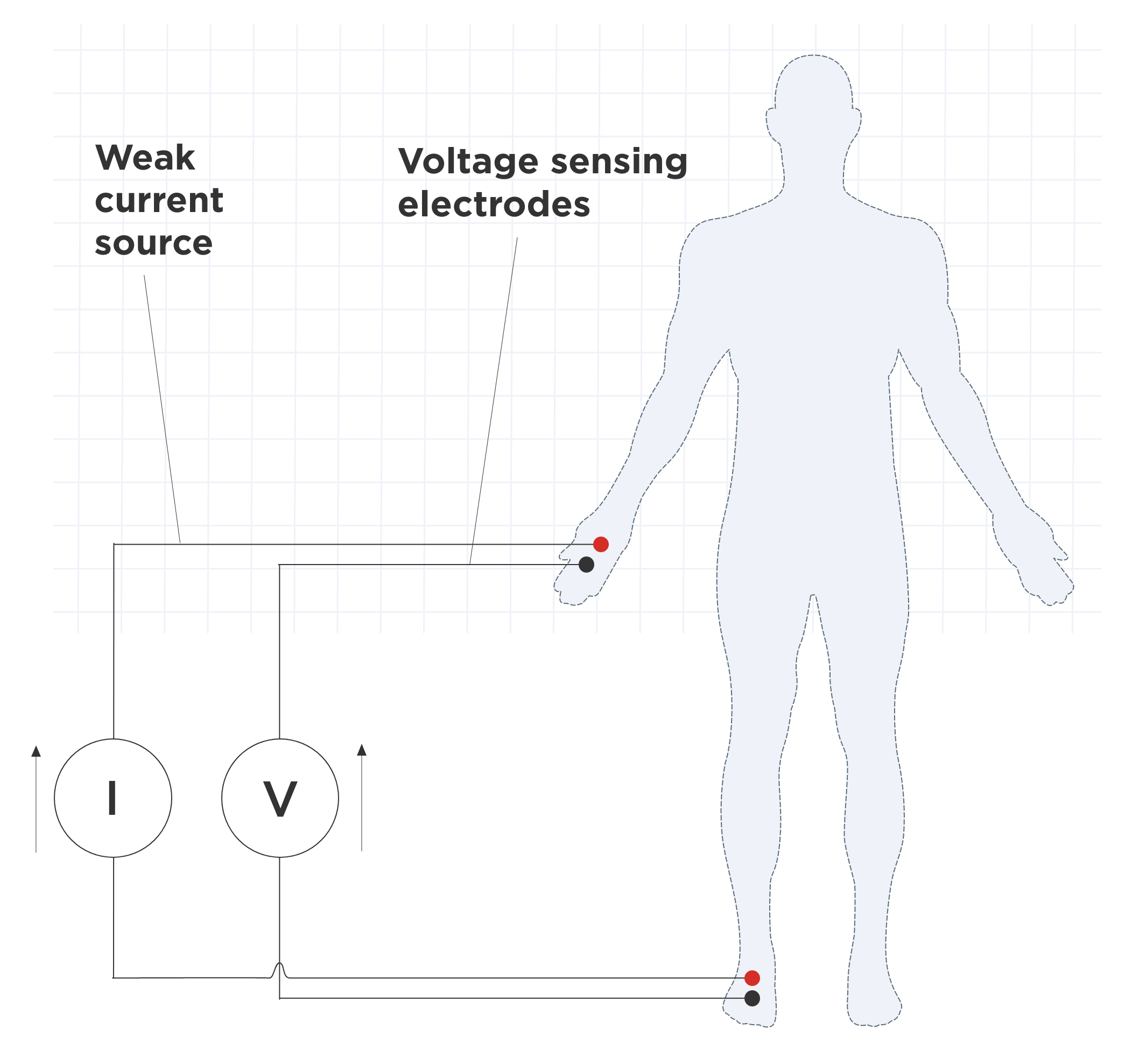
Smart scales rely on Bioelectrical Impedance Analysis (BIA) to estimate body composition. This non-invasive method sends a weak electrical current, usually under 1 milliamp, through your feet via metal electrodes on the scale surface. The current travels up through your legs and lower body, measuring how quickly it moves through different tissues.
Why Current Moves Differently Through Body Tissues
The speed of the current depends on tissue type. Muscle contains high water and electrolytes, so it conducts electricity easily and creates low impedance. Fat has less water, which slows the current and creates high impedance. Bone and connective tissue resist flow even more due to their density. The scale records the time delay and resistance of the returning signal, using this data as the foundation for estimating body composition.
Understanding Signal Path Limitations
Most smart scales only measure current from foot to foot, meaning the signal travels primarily through the lower body. As a result, upper-body composition is estimated rather than directly measured. Some premium models use hand-to-foot BIA via separate hand sensors for fuller-body accuracy, but standard bathroom smart scales are limited to lower-body analysis.
Body Composition Metrics Smart Scales Can Track
Using BIA data and user inputs, smart scales estimate multiple health metrics. While not medical-grade, these values help track trends over time and provide a more complete picture of your health than weight alone.
Body Fat Percentage
This is one of the most common metrics. Smart scales calculate body fat by analyzing impedance, where higher resistance equals more fat. While convenient, this number can fluctuate based on hydration, so focus on weekly trends rather than daily changes.
Muscle Mass and Lean Tissue
Muscle conducts electricity better than fat, so low impedance in key areas helps estimate skeletal muscle mass. This metric is especially useful for strength trainers who want to see lean gains even when weight stays the same.
Total Body Water and Hydration Levels
Since water conducts electricity well, hydration levels directly affect readings. Smart scales estimate your body water percentage, helping you stay aware of fluid balance which is critical for metabolism, recovery, and skin health.
Bone Mass, Visceral Fat, and Metabolic Metrics
Smart scales do not X-ray your bones. Instead, they use impedance patterns and demographic data to estimate bone mineral content. Some advanced models estimate visceral fat, the dangerous fat stored around internal organs. Premium scales may also estimate metabolic age, comparing your BMR to the average for your age group, or provide skeletal muscle ratings for deeper fitness insight.
How Smart Scales Measure Heart Rate
A few high-end smart scales go beyond BIA by measuring resting heart rate using ballistocardiography (BCG). This technology detects tiny movements in your body caused by blood being pumped from the heart. As your feet press against the scale, sensors pick up these micro-vibrations and convert them into a pulse reading without requiring a wristband.
While not as precise as ECG or optical heart rate monitors, BCG provides a convenient way to track resting heart trends over time, especially when measured consistently in the morning.
Setting Up Your Smart Scale for Accurate Results
For accurate results, smart scales need personal details. During setup via a mobile app, you input your height, age, gender, and activity level. These factors refine the scale internal algorithms. For example, muscle mass naturally declines with age, so the same impedance value might yield different results for a 25-year-old versus a 65-year-old.
Multi-User Detection and Profile Recognition
Most smart scales support multiple users. They identify individuals by weight range, manual selection, or app-based login. Once recognized, the correct profile loads automatically, ensuring personalized readings without confusion in shared households.
Data Sync and App Integration
After measuring, smart scales wirelessly transmit data using Bluetooth or Wi-Fi to a companion app like Withings Health Mate, Fitbit, or Samsung Health. This enables automatic logging, trend visualization, and goal tracking. Many apps sync with Apple Health, Google Fit, or Strava, meaning your weight trends appear alongside steps, sleep, and workouts for a holistic view of your health.
Factors That Affect Smart Scale Accuracy
Smart scales provide estimates, not lab-grade measurements. Several factors influence their readings and should be considered when interpreting data.
Hydration Status and Its Impact
Dehydration increases electrical resistance, making your body appear to have more fat. Overhydration does the opposite. For consistency, measure under similar hydration conditions, ideally first thing in the morning.
Timing Your Measurements
Fluid retention varies throughout the day. Morning readings after bathroom use and before eating are most reliable. Evening weights can be 2 to 5 pounds higher due to water retention from food and activity throughout the day.
Post-Workout and Meal Timing Considerations
Avoid measuring right after exercise or meals. Sweating alters hydration, and digestion increases weight temporarily, leading to misleading results. Wait at least two hours after significant meals and exercise before weighing.
Foot Contact and Skin Conditions
Dry or calloused feet reduce electrical contact. Slightly dampening soles improves conductivity and measurement reliability. Keep feet clean and slightly moist for best results.
Who Should Not Use Smart Scales
While safe for most people, some individuals should avoid BIA-based smart scales due to accuracy concerns or potential health risks.
Pacemaker and Implant Warnings
The electrical current, though extremely weak, can interfere with implanted medical devices like pacemakers or defibrillators. Manufacturers strongly advise against use in these cases. If you have any electronic medical implants, consult your doctor before using a smart scale.
Pregnancy and Body Composition Changes
Pregnancy alters fluid balance and body composition dramatically. BIA readings become unreliable, especially for body fat. Most brands recommend using smart scales only for basic weight tracking during pregnancy and only after consulting your doctor.
Athletes and Extreme Body Types
Standard algorithms are calibrated for average body types. Athletes with very low body fat or high muscle mass may see underreported fat percentages. Some models offer athlete mode to adjust for this, but accuracy may still vary.
Comparing Smart Scales to Clinical Methods

Home smart scales are convenient, but how do they compare to professional tools used in medical settings?
DEXA Scans: The Gold Standard
DEXA, or Dual-Energy X-ray Absorptiometry, precisely measures fat, muscle, and bone mass and shows exactly where fat is stored. It is far more accurate than BIA but expensive and not practical for daily use.
Hydrostatic Weighing and Air Displacement
Underwater weighing and Bod Pod chambers measure body density to calculate fat percentage. Both are highly accurate but require specialized facilities and are not accessible for home use.
Skinfold Calipers and Handheld BIA Devices
When used by a trained professional, calipers can provide reliable subcutaneous fat estimates. However, results depend heavily on technique. Handheld BIA devices work like smart scales but send current through the upper body for comparable accuracy.
Getting the Most From Your Smart Scale
To get the most out of your smart scale, follow these evidence-based tips for reliable results.
Weigh at the Same Time Daily
Morning is ideal, after using the bathroom and before eating or drinking. Consistency reduces daily noise from fluid shifts and provides more comparable data over time.
Use a Hard, Flat Surface
Place the scale on tile, wood, or concrete. Carpet or uneven floors can affect weight distribution and sensor contact, leading to inaccurate readings.
Stand Barefoot with Even Pressure
Ensure both feet make full contact with the electrodes. Shift your weight slightly if the scale does not register, and stand still during the measurement process.
Track Trends, Not Single Numbers
Day-to-day fluctuations are normal. Focus on 7-day averages or monthly trends to see real progress rather than getting discouraged by daily variations.
Advantages Smart Scales Offer Over Traditional Scales
Smart scales offer several benefits that make them valuable health monitoring tools.
Comprehensive Health Insights in Seconds
Get weight, body fat, muscle, water, BMR, and more all in one step. No need for multiple devices or separate measurements.
Automatic Progress Tracking
Data syncs to your phone automatically, creating visual graphs that show how you are progressing over weeks or months without manual logging.
Motivation Through Visibility
Seeing improvements in muscle or fat loss, even when weight does not change, keeps you motivated on your health journey.
Seamless Integration With Health Ecosystems
Works with fitness trackers, smartwatches, and nutrition apps for a unified health dashboard that combines all your data in one place.
Limitations You Should Understand
Despite their benefits, smart scales have drawbacks that users should acknowledge.
Estimates Versus Direct Measurements
All body composition data are calculated, not measured directly. They are best for tracking trends over time rather than relying on absolute values.
Sensitivity to External Conditions
Hydration, time of day, and recent activity all impact results. A bad reading might just reflect poor timing rather than actual changes in body composition.
Not Appropriate for Everyone
People with pacemakers, pregnant individuals, and elite athletes may get inaccurate or unsafe results and should consult professionals before relying on smart scale data.
Limited Anatomical Detail
Smart scales cannot distinguish between visceral and subcutaneous fat with high precision or measure muscle distribution in arms or chest directly.
Frequently Asked Questions About Smart Scales
Can smart scales measure body fat accurately?
Smart scales provide estimates of body fat percentage using bioelectrical impedance analysis. While useful for tracking trends over time, they are not as accurate as clinical methods like DEXA scans. Results can fluctuate based on hydration status, so focus on long-term trends rather than single readings.
Do smart scales work for everyone?
Smart scales work well for most people, but their accuracy decreases for athletes with high muscle mass, very lean individuals, and those with obesity. People with pacemakers or implanted medical devices should avoid BIA-based scales due to potential interference. Pregnant women should consult their doctor before using body composition features.
How does hydration affect smart scale readings?
Hydration significantly impacts smart scale measurements because water conducts electricity. Dehydration increases electrical resistance, potentially making body fat appear higher than it actually is. For consistent results, weigh under similar hydration conditions, preferably in the morning before eating or drinking.
Why do my smart scale readings fluctuate so much?
Daily fluctuations are normal and caused by changes in hydration, food intake, digestion, and activity levels. Weight can vary by 2 to 5 pounds throughout the day due to fluid retention. Focus on weekly or monthly trends rather than daily numbers for more meaningful insights.
Do smart scales need Wi-Fi or Bluetooth to work?
Smart scales need Bluetooth or Wi-Fi to sync data to your phone, but they can display weight measurements without a connection. Body composition metrics are typically calculated on the scale and then transmitted to the app when a connection is available.
Can I use a smart scale if I have a pacemaker?
Most manufacturers recommend avoiding smart scales if you have a pacemaker or other implanted electronic devices. The electrical current, while very weak, could potentially interfere with these devices. Consult your physician and the product documentation before use.
Key Takeaways for Using Your Smart Scale Effectively

Smart scales work by combining bioelectrical impedance analysis with personalized data to estimate body composition. While not perfect, they offer a powerful, convenient way to track health trends over time. The key to getting value from a smart scale is consistency: weigh at the same time each day, under similar conditions, and focus on long-term trends rather than daily fluctuations. Understanding the limitations, including sensitivity to hydration and the fact that these are estimates rather than clinical measurements, helps you interpret results more accurately. Use the data as one tool in your health journey, and consult healthcare professionals for medical concerns rather than relying solely on consumer devices.