You’re eating clean, moving more, and doing everything “right,” yet the number on the scale refuses to budge. It’s frustrating, demoralizing, and can make you question whether your efforts even matter. But here’s the truth: if your scale won’t go down, it doesn’t mean you’re failing. In fact, it might mean you’re succeeding in ways the scale simply cannot measure.
The number on the scale reflects total body weight, not fat loss. That total includes water, muscle, food, waste, hormones, and more, all of which fluctuate daily. A stalled scale is rarely about a failed diet. It’s usually about misunderstood physiology. In this guide, you’ll learn exactly why your scale won’t go down and what you can do about it.
Why the Scale Gets Stuck
The scale measures everything except what actually matters. It measures fat, muscle, water, bones, organs, blood, and even last night’s dinner. When fat is lost but replaced with muscle or water, the scale stays flat. This is body recomposition, a sign of progress the scale cannot see.
Many people lose inches, gain strength, and feel leaner while the number stays exactly the same. If you’ve started working out recently, this is likely happening to you. A flat scale doesn’t mean no progress. It may mean your body is changing in the right direction, just not in a way the scale can show.
Daily weight shifts of 4 to 8 pounds are completely normal. These swings have nothing to do with fat gain or loss. They’re caused by water retention, food volume in the gut, hormonal cycles, and exercise-induced inflammation. Weighing yourself too often amplifies stress and confusion. Instead of tracking daily changes, weigh once a week under the same conditions to see real trends.
Water Retention Is Hiding Your Progress

Water retention is the number one reason your scale won’t go down. It can add 3 to 10 pounds temporarily, masking fat loss completely. Understanding what causes water retention is the first step to breaking through a plateau.
High sodium intake pulls water into your tissues. Carb loading causes each gram of glycogen to store 3 to 4 grams of water. Hormonal shifts, especially during the luteal phase of your menstrual cycle, lead to significant bloating. Stress and poor sleep elevate cortisol, which increases water retention. After a weekend of higher carbs or salty meals, you might gain 5 pounds, but it’s water, not fat.
Time your weigh-ins correctly to get accurate readings. Weigh yourself first thing in the morning, after using the bathroom, before eating or drinking. For women, weigh during days 5 to 7 of your follicular phase when water retention is lowest. Avoid weighing during or right before your period when bloating peaks.
Flush excess water naturally by drinking more water. Dehydration signals your body to hold on to fluid. Reduce sodium by avoiding processed foods, canned soups, and salty snacks. Eat potassium-rich foods like bananas, spinach, avocado, and sweet potatoes to balance sodium. Manage stress through deep breathing, meditation, or light walks to lower cortisol. A 20-minute walk can reduce bloating by improving circulation and digestion.
Digestive Backlog Adds Hidden Weight
A full digestive tract can weigh up to 15 pounds. Constipation or slow transit time means waste sits in your colon, adding real but temporary weight to the scale. One person lost 3 pounds instantly after a bowel movement. This isn’t fat loss. It’s just clearing out what’s been stuck.
Boost daily elimination by increasing your fiber intake. Women should aim for 25 grams per day, and men should aim for 35 grams. Best sources include psyllium husk, leafy greens, oats, apples, and chia seeds. Take fiber first thing in the morning with water and again before bed. Increase fiber slowly to avoid gas and bloating.
Fiber needs water to work. Without enough fluids, it can worsen constipation. Drink at least half your body weight in ounces daily. For example, a 150-pound person needs about 75 ounces of water. Even light activity like walking, stretching, or yoga stimulates digestion. Try a 10-minute walk after meals to keep things moving.
Muscle Gain Masks Fat Loss
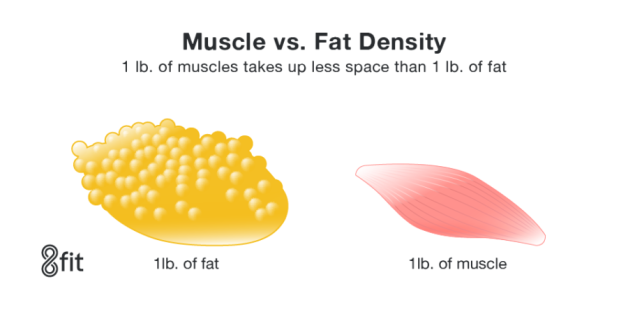
When you start strength training, your body may be losing fat and gaining muscle at the same time. Since muscle is denser than fat, you look slimmer even if the scale doesn’t change. A pound of muscle takes up 20 percent less space than a pound of fat. If your scale won’t go down but your pants feel looser, you’re probably recomposing.
Signs you’re recomposing include pants feeling looser, waist measurement decreasing, arms or legs looking more toned, lifting heavier weights, and improved energy and endurance. This is especially common in beginners to resistance training, people combining diet with strength workouts, and those reversing years of inactivity.
Stop relying on the scale. Instead, take weekly photos from the front, side, and back. Measure key areas like waist, hips, thighs, and arms. Track strength gains by recording weights lifted over time. If you’re working out regularly, a stable weight likely means you’re replacing fat with muscle.
Diet Mistakes Keeping You at a Plateau
Even healthy eating can stall weight loss if you’re unintentionally in a calorie surplus. Most people underestimate their intake by 20 to 30 percent. Mindless snacking on nuts, cheese, and dried fruit adds up fast. Liquid calories from smoothies, juice, and sweet coffee drinks can sabotage progress. Portion creep with healthy oils, avocado, and granola creates hidden surpluses. Overestimating workout burn is another common issue. A 30-minute jog burns about 300 calories, easily undone by one muffin.
Recreate a calorie deficit by tracking everything for 3 to 7 days. Use an app like MyFitnessPal or Cronometer to log meals, snacks, condiments, and beverages. You’ll likely find hidden surpluses you didn’t expect. Adjust your intake by reducing 200 calories per day if stalled. Women should aim for 1,200 to 1,500 calories per day for fat loss. Men should aim for 1,500 to 2,000 calories.
Eat protein and fat before carbohydrates. This slows digestion and reduces insulin spikes. Prioritize whole foods that come from nature, vegetables, meat, eggs, and fruit. Limit processed items, even healthy bars or shakes. If nature made it, it’s okay. If someone else made it, it’s likely processed.
Metabolic Adaptation Is Slowing Your Progress
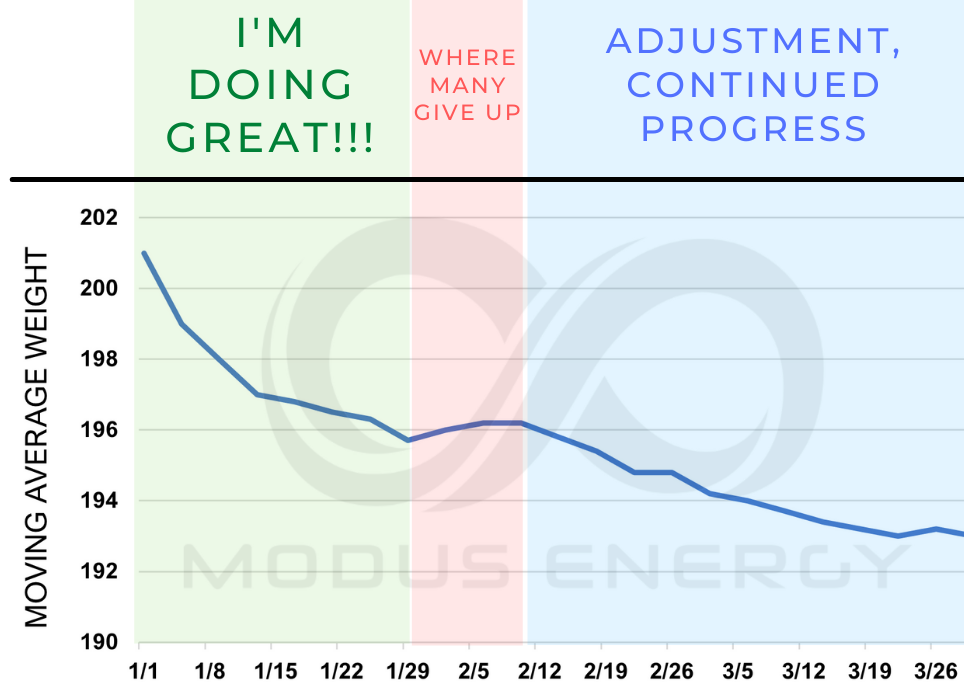
After initial success, your body adapts. This is called a metabolic plateau. As you lose weight, your body burns fewer calories at rest. Loss of muscle mass during dieting further reduces calorie expenditure. Reduced NEAT, or non-exercise activity thermogenesis, means you move less without realizing it. The strategy that helped you lose weight might now just help you maintain.
Restart fat loss by recalculating your needs. As you lose weight, your calorie needs drop. Use a TDEE calculator to update your targets. Example: an 180-pound woman burns about 1,800 calories at rest. At 160 pounds, it’s about 1,650 calories. Add small activity boosts throughout the day. Take the stairs, park farther away, stand while working, and walk after meals. These small moves add up to 200 to 300 extra calories burned weekly.
Try a high-protein, low-carb shift to increase satiety, preserve muscle, and reduce insulin-driven fat storage. Aim for 1.6 to 2.2 grams of protein per kilogram of body weight and less than 50 grams of net carbs per day if you’re sensitive to insulin.
Hormonal Changes Affect the Number
Hormonal shifts, especially during perimenopause and menopause, make weight loss harder. Estrogen drops and metabolism slows. Muscle loss accelerates, reducing calorie burn. Fat redistributes to the abdomen as visceral fat. Sleep disruptions imbalanced hunger hormones. Cortisol stays elevated and promotes fat storage. You may eat the same, move the same, but gain weight, especially around the midsection.
Adapt your approach by prioritizing strength training. It builds and preserves muscle, increases resting metabolism, and improves insulin sensitivity. Aim for 2 to 3 full-body resistance sessions per week. Optimize sleep and stress by targeting 7 to 9 hours of sleep nightly. Practice stress-reducing habits like meditation, journaling, and nature walks. Consider magnesium or melatonin if sleep is poor. Just one night of poor sleep increases cravings by 30 percent.
Accept slower progress. Aging bodies lose weight more slowly. Aim for 0.5 to 1 pound per week instead of rapid drops. It’s easy to gain five pounds a year if you don’t pay attention.
Better Ways to Track Your Progress
The scale is outdated for measuring fat loss. It cannot tell the difference between muscle and fat, water, and waste. Stop relying on the bathroom scale. Bioelectrical impedance scales are wildly inaccurate. Hydration changes skew results. Temperature, food intake, and time of day affect readings. The same person can show 5 to 10 percent variation in one day.
DEXA scan is the gold standard for measuring body fat percentage, muscle mass, and bone density. It detects small changes as little as 0.5 pound of fat. Available through services like BOD or local clinics. This is best for people serious about tracking body composition over time.
At-home body fat scales are not reliable for tracking progress. Instead, focus on non-scale victories. Track how your clothes fit, measure your body, take progress photos, and monitor strength gains.
When to See a Doctor
If you’ve followed healthy habits for three months or longer with no change, consult a physician. Possible underlying issues include thyroid dysfunction, insulin resistance or prediabetes, cortisol imbalances, sleep apnea, and medications like antidepressants, beta-blockers, and steroids.
Request a full metabolic panel, TSH, fasting insulin, and cortisol test. Consider GLP-1 medications if appropriate. For those with significant weight to lose, semaglutide can help. It mimics the GLP-1 hormone, reduces appetite, slows stomach emptying, and increases fullness. Results show 15 percent average weight loss over 68 weeks. Example: a 200-pound person loses 30 pounds. These are long-term tools, not quick fixes, and require ongoing use and lifestyle support.
Redefine What Success Looks Like
The scale is just one data point and often the least meaningful. True success includes more energy, better sleep, stronger workouts, tighter clothes, and improved mood and confidence. Focus on feeling better, not hitting a number on a scale.
Celebrate wins like walking up stairs without getting winded, doing your first push-up, sleeping through the night, and choosing a healthy meal when stressed. These are real progress, even if the scale hasn’t moved. You are not failing if the scale stalls. You may be transforming your body in ways it cannot measure.
Your Action Plan to Break Through
Make immediate changes this week. Weigh yourself once using the same time, day, scale, and clothing. Increase fiber to 25 to 35 grams per day. Drink more water, aiming for half your weight in ounces. Cut added sugar and processed foods. Take body measurements of your waist, hips, and other areas.
For long-term strategy, track food for 3 to 7 days to spot hidden calories. Add 2 strength workouts per week. Prioritize sleep and stress management. Get a DEXA scan if possible. See a doctor if no progress occurs after three months.
The scale won’t always reflect your hard work, but that doesn’t mean it’s not working. Water, muscle, hormones, and digestion all influence the number. Focus on how you feel, how you move, and how you live. When you build sustainable habits, the scale will eventually catch up, and you’ll be ready to keep the results for life.
Frequently Asked Questions About Scale Stalls
Why does my weight stay the same even when I’m dieting and exercising?
Your scale measures total body weight, which includes water, muscle, food, and waste. When you lose fat but gain muscle or retain water, the number stays flat. This is called body recomposition, and it’s a sign of progress the scale cannot see.
How many pounds can water retention add to the scale?
Water retention can add 3 to 10 pounds temporarily. This is caused by high sodium intake, carb loading, hormonal shifts during your menstrual cycle, stress, and poor sleep. This weight is not fat and will resolve once the trigger is removed.
How often should I weigh myself for accurate tracking?
Weigh yourself once per week, ideally first thing in the morning, after using the bathroom, before eating or drinking, and wearing the same clothing. Weighing too often leads to frustration due to normal daily fluctuations of 4 to 8 pounds.
Why do I look thinner but weigh the same?
Muscle is denser than fat. A pound of muscle takes up 20 percent less space than a pound of fat. If you’re strength training, you may be losing fat and gaining muscle simultaneously, which makes you look leaner without changing your weight.
When should I see a doctor about a stalled scale?
If you’ve been following healthy habits for three months or longer with no change, consult a physician. Possible underlying causes include thyroid dysfunction, insulin resistance, cortisol imbalances, sleep apnea, or certain medications.
Key Takeaways for Breaking Through a Scale Plateau
The scale measures total body weight, not fat loss. Water, muscle, digestion, and hormones all cause daily fluctuations that have nothing to do with actual progress. Focus on non-scale victories like how your clothes fit, your strength gains, and how you feel. Use better tracking tools like body measurements, progress photos, and DEXA scans instead of relying solely on the bathroom scale. Address the root causes: reduce water retention through proper sodium and hydration, clear digestive backups with adequate fiber, and ensure you’re actually in a calorie deficit. If you’ve tried everything for three months without results, consult a physician to rule out underlying medical conditions. Build sustainable habits, and the scale will eventually catch up.