If you’re tracking body composition at home, you’ve probably asked: how accurate is the FitIndex scale? This smart scale promises detailed metrics like body fat, muscle mass, and water weight, all from a quick step onto your bathroom floor. But with so many body fat scales on the market, how much can you trust its readings?
The FitIndex Body Composition Smart Scale uses bioelectrical impedance analysis, a common method in consumer devices. It sends a safe, low-level electrical current through your feet to estimate fat and lean mass based on resistance. While convenient, BIA has well-known limitations, especially when hydration, timing, or positioning vary. In this guide, we’ll break down the technology behind FitIndex, examine its accuracy claims, and show you how to get the most reliable results.
How FitIndex Measures Your Body Composition
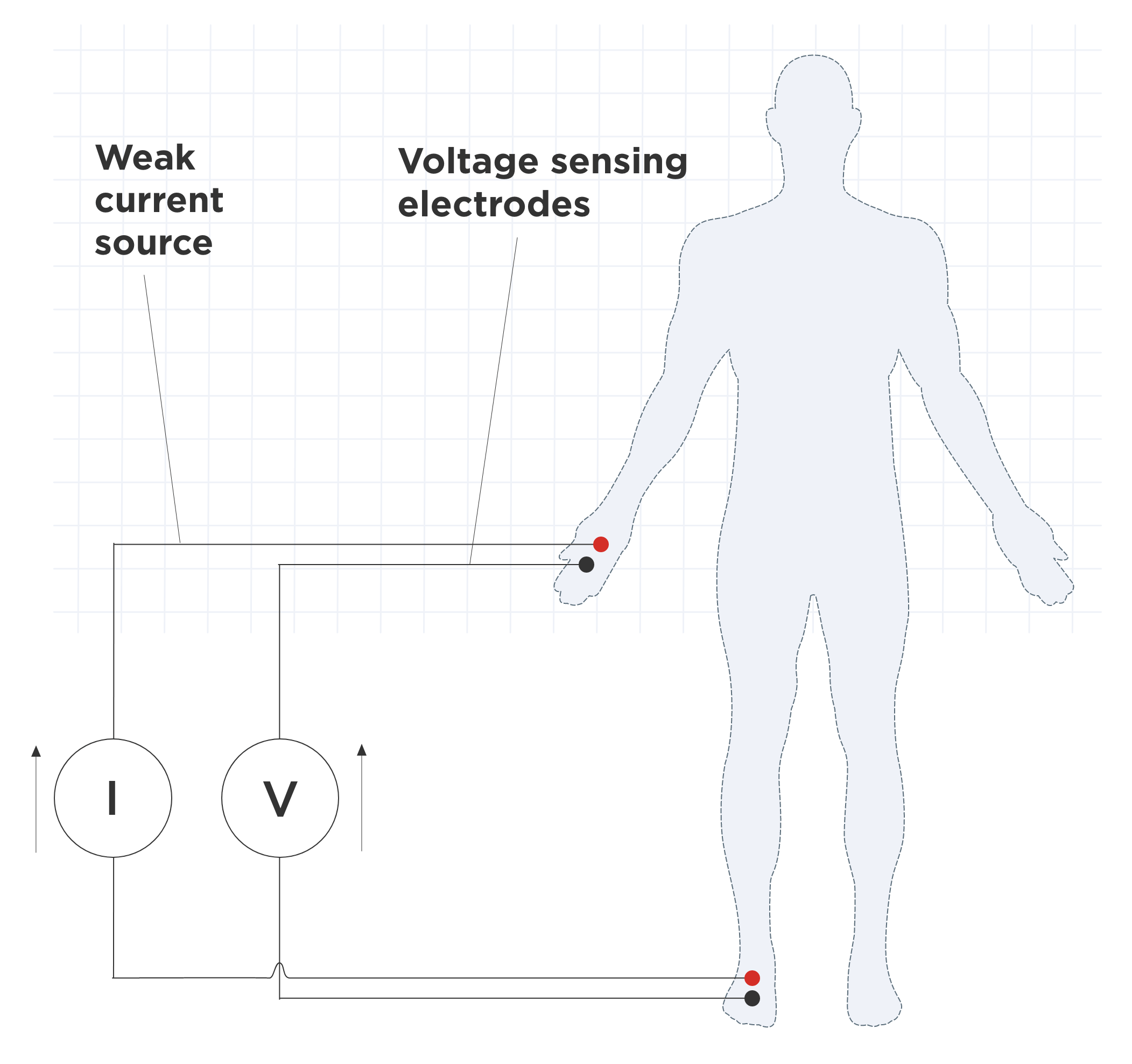
The FitIndex scale estimates body fat using bioelectrical impedance analysis. When you step barefoot onto the scale, a small electrical current passes from one foot to the other through your lower body. The device measures how much resistance the current encounters.
Since muscle contains more water and conducts electricity better than fat, higher resistance usually means more body fat. Based on this reading and your inputted height, age, and gender, the scale calculates your body fat percentage and other metrics.
Upper- and Lower-Body Assessment
Unlike many basic BIA scales that only measure lower-body impedance, FitIndex claims to assess both upper and lower body composition. This suggests a more advanced current pathway, possibly hand-to-foot or multi-segmental, though exact technical details are not publicly confirmed.
By capturing more of the body’s total composition, FitIndex may offer more representative data than foot-only scales, which estimate full-body fat from lower-half readings alone.
FitIndex Accuracy Compared to Clinical Methods

FitIndex states its body fat readings are within 1.5% of DEXA scan results. DEXA scans are considered the gold standard for body composition because they directly differentiate fat, lean tissue, and bone with high precision.
A margin of ±1.5% would place FitIndex among the most accurate consumer scales available, rivaling premium models like Tanita and Omron. However, this figure comes from product reviews and marketing materials, not peer-reviewed studies, so independent verification is lacking.
How FitIndex Compares to Other Methods
| Method | Accuracy | Cost | Accessibility |
|---|---|---|---|
| DEXA Scan | Very high | $100–$250 | Low (clinic only) |
| Bod Pod | High | $60–$100 | Limited availability |
| Hydrostatic Weighing | High | $50–$100 | Rare |
| Skinfold Calipers | Moderate | $10–$50 | Medium (needs trainer) |
| FitIndex Scale (BIA) | Moderate to high | $50–$100 | High (home use) |
| Standard BMI | Low | Free | High |
While clinical methods remain more precise, FitIndex offers a practical balance of accuracy, convenience, and cost for everyday use.
Factors That Affect FitIndex Readings
Even high-quality scales like FitIndex can produce variable results depending on usage conditions. Understanding these factors helps you get more consistent data.
Hydration Levels Skew Results
One of the biggest limitations of BIA is its sensitivity to hydration status. Even mild dehydration increases electrical resistance, making the scale think you have more body fat than you do. Conversely, being overhydrated can underestimate fat percentage.
For best accuracy, avoid drinking large amounts of fluid within 2 hours, exercising within 4 hours, or eating a heavy meal before measuring.
Time of Day Changes Measurements
Your body’s fluid distribution shifts throughout the day. Most people are more hydrated in the evening, which lowers impedance and can show a lower body fat percentage, even if actual fat mass has not changed.
For consistent tracking, measure first thing in the morning, after using the bathroom but before eating or drinking.
Foot Contact and Placement Matter
Poor electrode contact reduces accuracy. Dry, calloused, or unevenly placed feet can block the current or alter its path. Always step on barefoot and stand with even weight distribution, ensuring full contact between soles and electrodes.
A slight shift in stance can change the reading by several percentage points.
What Metrics Does FitIndex Track?
The FitIndex scale does not just show weight. It estimates multiple health-related metrics, including body fat percentage, muscle mass, bone mass, water weight, visceral fat level, and BMI.
These values sync via Bluetooth to a companion app where trends are visualized over time. The app organizes data clearly, allowing users to view historical trends, set goals, and monitor progress weekly or monthly.
Automatic user recognition supports multiple household members, making it easy to track family-wide health changes. All data are for personal reference only and should not replace medical diagnosis.
Best Practices for Reliable FitIndex Results
To ensure the most reliable and consistent readings from the FitIndex scale, follow these guidelines:
- Measure at the same time daily, preferably in the morning after waking and using the bathroom but before eating or drinking.
- Stand barefoot on clean, dry feet with even weight distribution.
- Avoid exercise, eating, or drinking for at least 2 to 4 hours prior to measurement.
- Place the scale on a hard, flat surface, never on carpet or padded flooring.
- Use the same scale consistently and do not switch between devices.
- Input accurate personal data including height, age, sex, and activity level in the app.
- Track trends over time rather than focusing on single-day values.
Combine With Other Health Indicators
No at-home scale should be used in isolation to assess health. Pair FitIndex with waist circumference measurements, strength and endurance performance, clothing fit, and energy levels for a complete picture of your health.
Who Should Use the FitIndex Scale?
FitIndex works best for people losing fat and gaining muscle, those following structured fitness programs, and individuals managing long-term weight goals. Because muscle weighs more than fat, the scale helps you see progress beyond the number on a regular scale.
This makes it ideal for fitness progress monitoring, post-pregnancy recovery, and aging-related body composition shifts.
Who Should Not Rely on FitIndex
FitIndex is not a medical device. Do not use it to diagnose obesity, monitor disease, or replace doctor visits. It is a self-tracking tool, not a diagnostic instrument.
People with medical conditions affecting hydration or body composition should consult a healthcare provider before relying on any consumer scale.
Key Takeaways on FitIndex Scale Accuracy

The FitIndex Body Composition Smart Scale appears to be a highly capable and accurate consumer device for estimating body fat percentage and tracking body composition changes over time. Its claimed ±1.5% deviation from DEXA places it among the more reliable options available for home use.
However, it cannot match the precision of clinical methods like DEXA or Bod Pod. Like all BIA devices, it is subject to hydration sensitivity, foot placement variability, and proprietary algorithms that are not publicly disclosed.
When used consistently under the same conditions and interpreted appropriately as a trend-tracking tool rather than an absolute measurement device, the FitIndex scale provides valuable, actionable insights for health-conscious individuals.
For those prioritizing accuracy, ease of use, and comprehensive data at a reasonable price point, the FitIndex scale represents a strong choice in the competitive smart scale market.
Frequently Asked Questions About FitIndex Scale Accuracy
Is the FitIndex scale as accurate as a DEXA scan?
FitIndex claims its readings are within 1.5% of DEXA scan results, which would make it highly accurate for a consumer device. However, this claim comes from product reviews rather than peer-reviewed studies, so independent verification is lacking.
Can I trust my FitIndex scale for medical diagnosis?
No. The FitIndex scale is not a medical device. All data are for personal reference only and should not replace professional medical advice or diagnosis.
Why do my FitIndex readings fluctuate so much?
Fluctuations are normal and usually caused by hydration changes, time of day, recent meals or exercise, or foot placement differences. For the most consistent data, measure at the same time daily under the same conditions.
Does the FitIndex scale measure visceral fat?
FitIndex estimates visceral fat based on algorithms, not direct detection. Unlike DEXA or CT scans, it cannot precisely measure fat around internal organs.
How does FitIndex compare to Omron and Tanita scales?
FitIndex claims accuracy comparable to top-tier models like Omron HBF-516 and Tanita BC-568. While not tested in the same studies, its claimed ±1.5% margin suggests similar performance at a lower price point.
Should I use FitIndex or a clinical method for tracking fitness progress?
For most fitness goals, FitIndex works well for tracking changes over time. If you need lab-grade precision or have specific medical concerns, consider clinical methods like DEXA scans for more accurate measurements.