Digital scales are everywhere in our daily lives, from bathroom fixtures to gym equipment to commercial weighing stations. But these devices, while seemingly reliable, have hidden vulnerabilities that clever individuals have learned to exploit. Whether you’re curious about the technical weaknesses behind these machines or concerned about fraud in competitive sports or commerce, understanding how to trick a digital scale reveals surprising truths about measurement security. This guide explores the science behind scale manipulation, the most common techniques people use, how to spot cheating, and the legal consequences of tampering.
You’ll discover everything from simple physical tricks that anyone can try to advanced firmware hacks that require technical expertise. Each method comes with effectiveness ratings, detection difficulty, and real-world examples. Most importantly, you’ll learn how to protect yourself or your business from scale fraud.
How Digital Scales Actually Work

Understanding the internal mechanisms of digital scales is essential for grasping why manipulation is possible and how to prevent it.
Strain Gauges and Load Cells
Every digital scale contains strain gauges bonded to load-bearing bars inside the platform. When weight presses down, these bars flex slightly, changing electrical resistance in the gauges. The scale measures this resistance change and converts it to a weight reading. Most consumer bathroom scales use two load bars, each with two strain gauges arranged as differential pairs. This design cancels out common-mode noise and improves stability, but it also creates opportunities for exploitation.
Signal Processing Without Standard ADC
Unlike many electronic devices, low-cost digital scales often skip traditional analog-to-digital converters. Instead, they use an integration-based system where a capacitor charges at a rate proportional to the applied weight. A microcontroller measures the duty cycle of a reset signal to determine weight. This method relies heavily on timing and feedback, meaning any disruption to the electrical or mechanical environment can skew results significantly.
Accuracy Variations by Scale Type
Consumer scales typically tolerate plus or minus 0.1 to 0.5 kilograms, while laboratory scales achieve precision down to 0.001 grams. Industrial scales maintain accuracy within 0.1% of full scale. The vulnerability to manipulation increases dramatically with lower-cost models that lack tamper-proofing features and robust calibration locks.
Physical Tricks That Lower Scale Readings
Simple body positioning and props can reduce displayed weight without any electronic interference.
Stand Off-Center or Shift Your Weight
Placing your feet near the edge of the scale platform prevents full engagement of both load cells. When weight distributes unevenly, one side registers less force, resulting in lower readings. This technique can reduce displayed weight by 2 to 3 kilograms. The stance feels unstable, making this method easily spotted during official weigh-ins. Combining this approach with leaning against a wall or counter further offloads body weight onto external surfaces.
Use the Assistant Technique
In combat sports circles, this method involves a helper applying downward pressure on your upper back exactly as you step onto the scale. The force compresses your spine slightly, reducing downward load through your legs. Depending on strength and timing, this can shave 1 to 5 kilograms from your reading. Detection requires visible hand contact or careful video analysis showing the helper’s involvement.
Slide a Credit Card Under One Corner
After the scale powers on and calibrates, insert a thin, rigid object like a credit card under one foot of the scale. This tilts the base and disrupts even load distribution across the strain gauges. Documented tests show reductions up to 3 kilograms on flimsy consumer models. This trick fails completely on sturdy commercial scales with rigid platforms. Timing during a camera distraction increases success probability.
Calibration Hacks and Tare Exploits
Tampering with calibration settings enables systematic manipulation that affects all subsequent readings.
Recalibrate With Hidden Weight
Place a known weight on the scale and press the calibration button to zero it. Remove the weight, and the scale now reads that weight as negative. Stepping on afterward shows your actual weight minus the calibration weight. Alternatively, place a hidden weight under the scale before calibrating. The scale compensates for that offset, reducing all future readings by that amount. Scales without password protection on calibration menus remain vulnerable to this approach.
Abuse the Tare Function
Retail and food service workers sometimes exploit tare functionality to defraud customers. Zeroing out a container, then adding product beyond the labeled weight means customers pay for more than they receive. A vendor might tare a tray, add 900 grams of meat, but label it as 1 kilogram, overcharging by 11%. This method proves highly profitable at scale but requires careful auditing to detect.
Negative Calibration to Exceed Limits
When needing to weigh items beyond a scale’s maximum capacity, some users employ negative calibration. Place a heavy object on the scale, then power on while maintaining that load. The scale treats this as zero. Remove the object and the baseline becomes negative. Now placing a 21-kilogram item on a 20-kilogram max scale displays 11 kilograms. This works only on scales allowing negative readings, and accuracy degrades near measurement extremes.
Environmental Factors That Skew Readings
Subtle environmental conditions can alter digital scale outputs, sometimes intentionally exploited.
Exploit Air Drafts on Precision Scales
Sensitive laboratory and jewelry scales respond to airflow. A fan blowing downward increases readings while upward drafts from vents reduce apparent weight. Users can record the lowest fluctuating value during air movement. Professional settings counter this with draft shields and enclosed weighing chambers. On standard consumer scales, this effect remains minimal but still measurable under controlled conditions.
Weigh on Unstable Surfaces
Wobbly tables or carpeted floors cause inconsistent contact between scale feet and the mounting surface. This creates momentary low readings before stabilization occurs. Some fighters use soft mats to gain artificial advantages during weigh-ins. Always place scales on hard, level surfaces. Perform a rock test first; if the platform wobbles, the reading remains unreliable.
Step On During Warm-Up Phase
Digital scales need 3 to 10 seconds to stabilize after powering on. Weighing too early captures drifting values before correction algorithms kick in. A fighter might catch a transient low reading during this warm-up period before the system stabilizes. Enforcing a 10-second stabilization rule eliminates this loophole.
Electronic and Firmware Manipulation
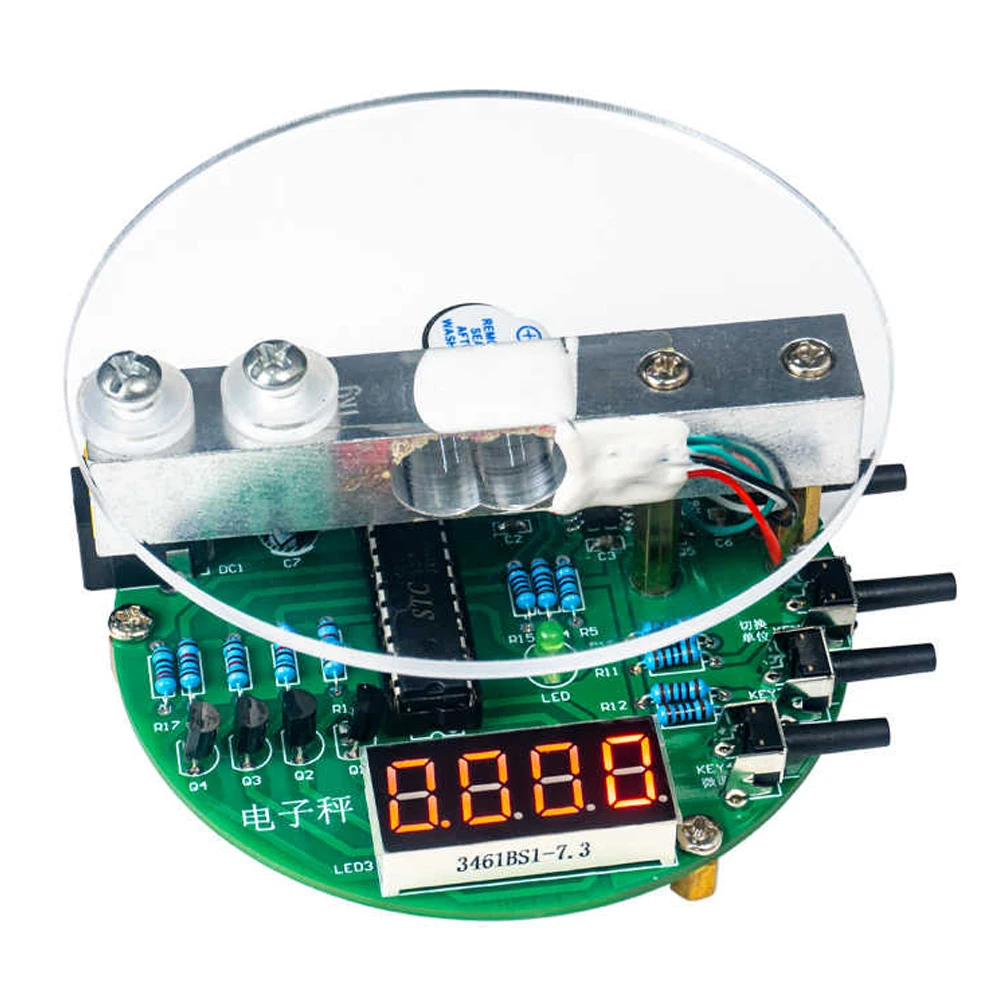
Advanced techniques involve hacking the scale’s internal electronics or software for nearly undetectable manipulation.
Modify Firmware to Under-Report Weight
Attackers accessing the microcontroller can program the scale to always display a percentage of actual weight, such as 95%. Changes might trigger based on time, specific users, or load patterns. Hidden switches sometimes toggle between honest and fraudulent modes. Detection requires firmware auditing or sophisticated side-channel analysis, making this method nearly impossible to spot without technical investigation.
Intercept and Alter Analog Signals
Some scales transmit weak analog signals from strain gauges to the processor over exposed printed circuit board traces. Attackers with circuit knowledge can splice wires, inject false voltages, or simulate lighter loads. This difficulty level requires technical expertise and specialized tools, limiting use to reverse-engineering projects and security research.
Exploit Bluetooth or App-Connected Scales
Smart scales syncing with phones might allow data spoofing through app manipulation. Users can create fake profiles with preset weights or delay syncing to hide true weight trends. This doesn’t actually trick the scale but creates an illusion of weight loss or other desired readings.
Video Weigh-In Deception in Combat Sports
In pre-recorded weigh-ins, manipulation happens through video editing and procedural loopholes rather than scale tampering.
Edit Two Clips Together
Film a fighter standing on a scale at target weight separately from a clip of him speaking to camera. Splice these together to make it appear he just weighed in at that weight. Red flags include identical clothing across multiple filming days, no visible stabilization phase, and camera shake during transitions. Mandating live-streamed weigh-ins eliminates this possibility entirely.
Delay Camera Focus to Hide Assistance
Camera focuses on the fighter’s face first, then pans down to the scale after he’s stepped on. During this delay, a helper applies downward pressure. The camera never captures the initial stabilization phase where manipulation would be visible. Requiring continuous full-body footage from step-on to final readout prevents this technique.
Use Non-Certified Portable Scales
Fighters sometimes use bathroom or kitchen scales not designed for official weigh-ins. These lack tamper-evident seals, calibration locks, and legal-for-trade certification. Only NTEP or MID certified scales should meet official requirements in regulated settings.
How to Detect and Prevent Scale Fraud
Knowing manipulation methods enables better detection and prevention strategies.
Conduct Physical Inspections
Check for broken tamper seals on battery compartments or calibration ports. Look for foreign objects under or around the scale. Inspect cables for spliced wires and test platform stability by rocking it. Any scale failing visual inspection should be rejected and recalibrated before use.
Test With Certified Weights
Use NIST-traceable test weights to verify accuracy. Place a 10-kilogram weight and verify it reads within tolerance, typically 9.95 to 10.05 kilograms. Test corners and center positions for consistent readings. Repeat measurements multiple times; large variances suggest instability or tampering. Monthly calibration with logged results represents best practice.
Monitor Calibration Logs on Smart Scales
Modern connected scales track user access, calibration events, and firmware changes. Red flags include calibration at odd hours, especially before important weigh-ins. Enable password protection and audit trails wherever available. Review logs regularly for suspicious activity patterns.
Require Live, Transparent Weigh-Ins
Eliminate video editing risks through live-streaming official weigh-ins with third-party oversight. Record full-body video continuously from step-on through final readout. UFC and major promotions now use this approach successfully.
Legal and Ethical Consequences
Tricking digital scales carries serious penalties beyond simple deception.
Fines and Regulatory Penalties
India imposes fines of 2,000 to 10,000 rupees for breaking seal authorization. The United States and European Union fine tampering with legal-for-trade scales up to 100,000 dollars or more. Repeat offenders face business license revocation and criminal charges. Beyond financial penalties, reputational damage destroys customer trust and brand credibility.
Competitive Unfairness in Sports
Fighters appearing 5 kilograms lighter gain significant physical advantages through rapid rehydration. This creates strength and speed benefits plus psychological edges over opponents. Such manipulation undermines fair play and creates real safety risks during competition. Sports organizations face credibility crises when manipulation goes undetected.
Legitimate Uses of Scale Hacking
Not all scale modification serves fraudulent purposes. Creative applications exist for innovation.
Build a Keg Monitor
Hack the circuit to read raw sensor data. Cut traces to comparator, button, and reset lines, then connect to a microcontroller like Arduino. Measure capacitor charge time to detect small changes. This tracks beer consumption down to the pint with minimal investment.
Create Pressure-Sensitive Floors
Arrange multiple hacked scales in a grid to build interactive dance floors, posture analysis systems, or robotics training mats. Each scale acts as a node in a larger sensing network. Cost stays under 20 dollars per unit, making large installations practical.
Low-Cost Industrial Sensors
Modified bathroom scales serve inventory tracking, automated feeding systems, and weight-based triggers in smart home applications. This repurposing delivers functionality far exceeding the original purchase price.
Final Verdict on Tricking Digital Scales
While short-term deception remains possible, long-term fraud proves risky and largely unsustainable.
| Method | Effectiveness | Detectability | Risk Level |
|---|---|---|---|
| Credit card shim | Up to 3 kg reduction | Medium | Low |
| Off-center stance | 1 to 3 kg reduction | High | Low |
| The Assistant technique | 1 to 5 kg reduction | Medium | High |
| Video splicing | Complete fabrication | Medium | Very High |
| Firmware hacking | Any amount | Very Hard | Extreme |
| Negative calibration | Extends range | Low | Medium |
The bottom line shows that while manipulation techniques exist across various complexity levels, detection probability increases in regulated environments. Personal use might offer temporary psychological benefits, but professional settings carry extreme consequences when caught. Rather than tricking the scale, consider using it as a tool for honest progress tracking. Technically inclined individuals might instead hack scales for legitimate innovation projects rather than deception.
Frequently Asked Questions About Tricking Digital Scales
Can I really reduce my weight reading by standing on one foot?
Standing on one foot produces no actual weight reduction. This common belief stems from misunderstanding how load cells measure force. Your full weight still distributes across the remaining foot and leg, making this technique completely ineffective.
Do digital scales respond to lunar phases?
No scientific evidence supports lunar phases affecting body weight. Survey data shows approximately 3% of people believe full moons increase weight, but this reflects psychological perception rather than physical reality. Any weight changes during lunar cycles result from water retention or other normal fluctuations.
What happens if I calibrate my scale with the wrong weight?
Calibrating with incorrect weights shifts all subsequent readings systematically. Using a heavier weight than entered makes the scale under-report. Using a lighter weight makes it over-report. This remains detectable through testing with certified weights.
Are bathroom scales accurate enough for medical purposes?
Consumer bathroom scales typically tolerate plus or minus 0.5 kilograms, which works for general weight tracking but lacks precision for medical diagnosis. For medical monitoring, use scales with higher accuracy ratings and calibrate regularly with certified weights.
Can smart scales be hacked through their apps?
Smart scales connected via Bluetooth or WiFi potentially allow data manipulation through app-level attacks. Users might create fake weight logs or sync delayed data to misrepresent trends. However, this doesn’t physically alter the scale’s measurement.
Is it illegal to modify my own scale at home?
Modifying a personal scale for home use generally carries no legal consequences. However, using modified scales for commercial transactions or official weigh-ins violates regulations and carries penalties. Always use certified, tamper-evident scales in regulated environments.
Key Takeaways for Understanding Digital Scale Manipulation
Digital scales operate through strain gauge technology that responds to mechanical force, electrical resistance changes, and signal processing algorithms. Physical tricks like off-center standing or inserting cards under scales exploit mechanical design flaws. Calibration tampering creates systematic offsets affecting all measurements. Environmental factors including air currents and surface stability influence readings on sensitive equipment. Electronic manipulation through firmware hacking proves nearly undetectable but requires technical expertise. Detection relies on physical inspection, certified weight testing, and monitoring calibration logs. Legal consequences for commercial or competitive tampering include substantial fines and reputational damage. Legitimate applications exist for DIY projects and innovation rather than fraud. The most effective defense combines live monitoring, tamper-resistant equipment, regular calibration, and third-party verification to ensure measurement integrity across all applications.