You believe everyone deserves access to your services, regardless of what they can afford. But you also need to pay your rent and keep your practice running. A sliding scale bridges that gap by adjusting prices based on what clients can realistically pay. Whether you run a therapy practice, teach online courses, or offer wellness services, this guide walks you through building a sliding scale that is fair, sustainable, and legally sound. You will learn how to calculate your financial baseline, choose the right model, design effective tiers, and communicate your values clearly to clients.
Calculate Your Financial Baseline
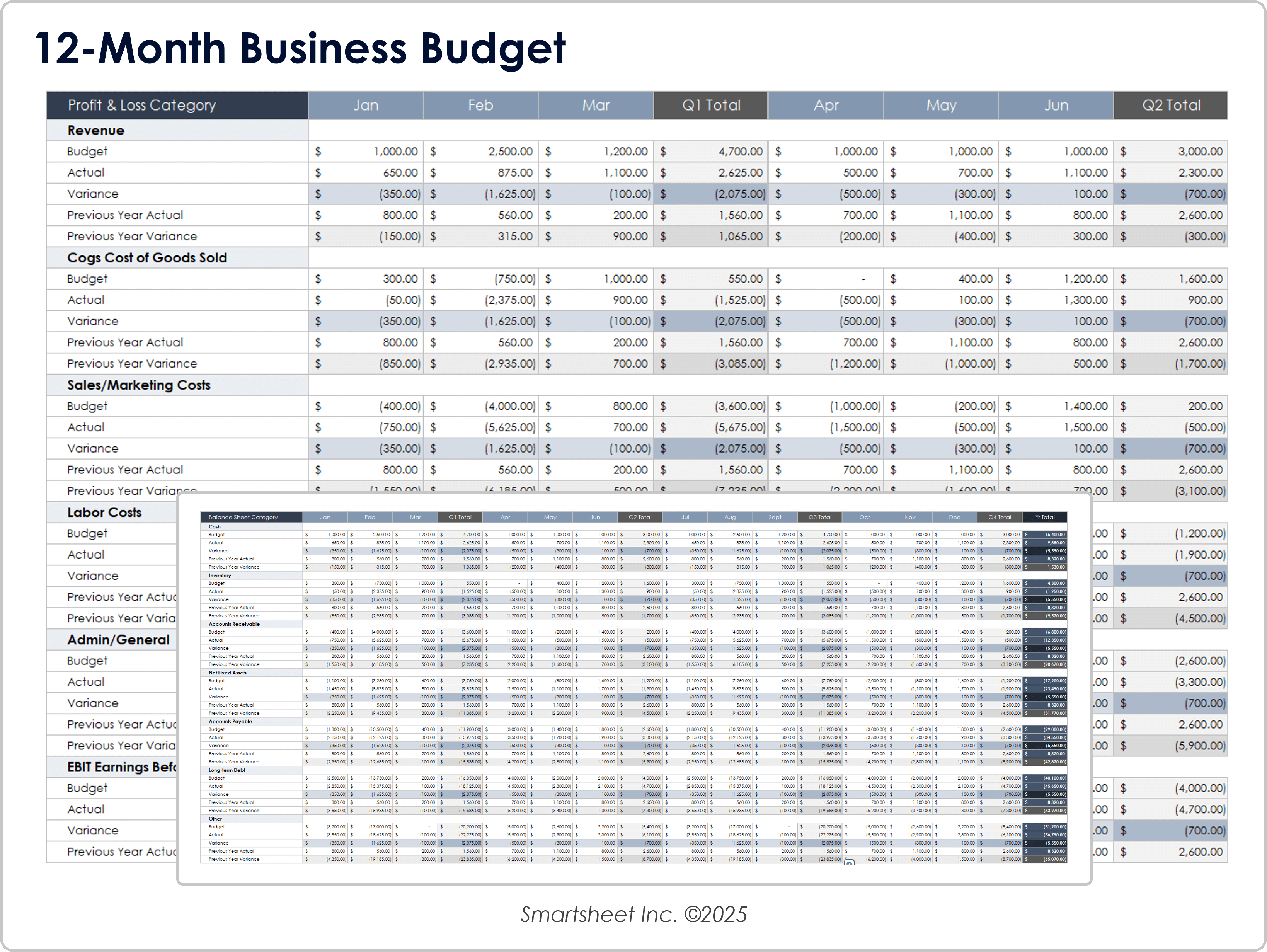
Before offering reduced rates, you must understand what you need to stay afloat. A sliding scale only works when it is built on financial reality, not hope.
Determine Your Annual Operating Costs
List every expense tied to running your practice. Include rent or home office allocation, software subscriptions, insurance, marketing fees, supplies, accounting support, and continuing education costs. Add your desired personal income goal to find your minimum annual revenue requirement.
Example: $70,000 in expenses plus $50,000 in salary equals $120,000 needed annually.
Set Your Monthly Revenue Target
Divide your annual goal by 12 to find your monthly target.
Example: $120,000 divided by 12 equals $10,000 per month. This is your floor. Below this amount, your business cannot sustain itself.
Estimate Average Client Volume
Review your past data to determine how many clients you serve per month. Divide your annual client count by 12 to get your average.
Example: 240 clients per year divided by 12 equals 20 clients per month. Now divide your monthly revenue target by client count.
Example: $10,000 divided by 20 equals $500 per client. This is your break-even fee. Use this number to decide how many reduced-fee clients you can afford without risking your livelihood.
Choose Your Sliding Scale Model
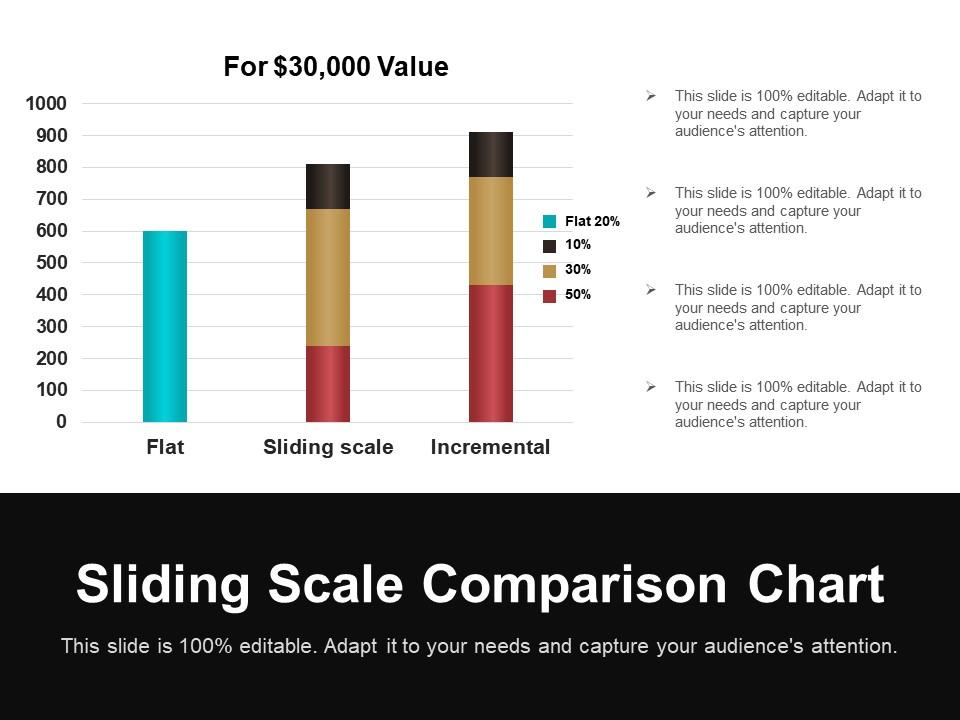
Pick a model that fits your values, industry, and capacity. The two main types are managed and unmanaged, each with distinct trade-offs.
Managed Sliding Scale
Offer fixed price tiers with clear labels and limits. This model brings structure and predictability for private practitioners, online course creators, and wellness providers.
Example tiers include Extra Support at $10 for those with no or very low income, Supported at $25 for part-time or gig workers, Standard at $50 for full-time earners, and Pay-It-Forward at $75 or more for those who can subsidize others. Use meaningful names instead of low, middle, or high to reinforce shared values.
Pros include easier financial management, reduced client confusion, and support for long-term planning. Cons include potentially excluding those just above income cutoffs and requiring upfront design work.
Cap the number of spots at lower tiers to maintain balance. Example: Only 30 percent of openings at the $10 rate.
Unmanaged Sliding Scale
Let clients choose any price, including zero. This model maximizes autonomy and access for mutual aid projects, community events, and donation-based digital content.
Use pay what you can buttons through PayPal, Stripe, or Buy Me a Coffee. Add suggested amounts like suggested $15, minimum $1. Include affirming language like we trust you to choose what aligns with your means.
Pros include highest inclusivity and empowerment of client self-determination. Cons include risk of underpayment, harder income forecasting, and potential provider anxiety.
This approach works best for short-term offers or supplemental income streams rather than primary revenue.
Hybrid Option
Combine flexibility with boundaries. Example: Choose between $10 and $50 with guidance, or pay what you can up to $60 with a soft cap. This balances accessibility and sustainability.
Design Income-Based Tiers
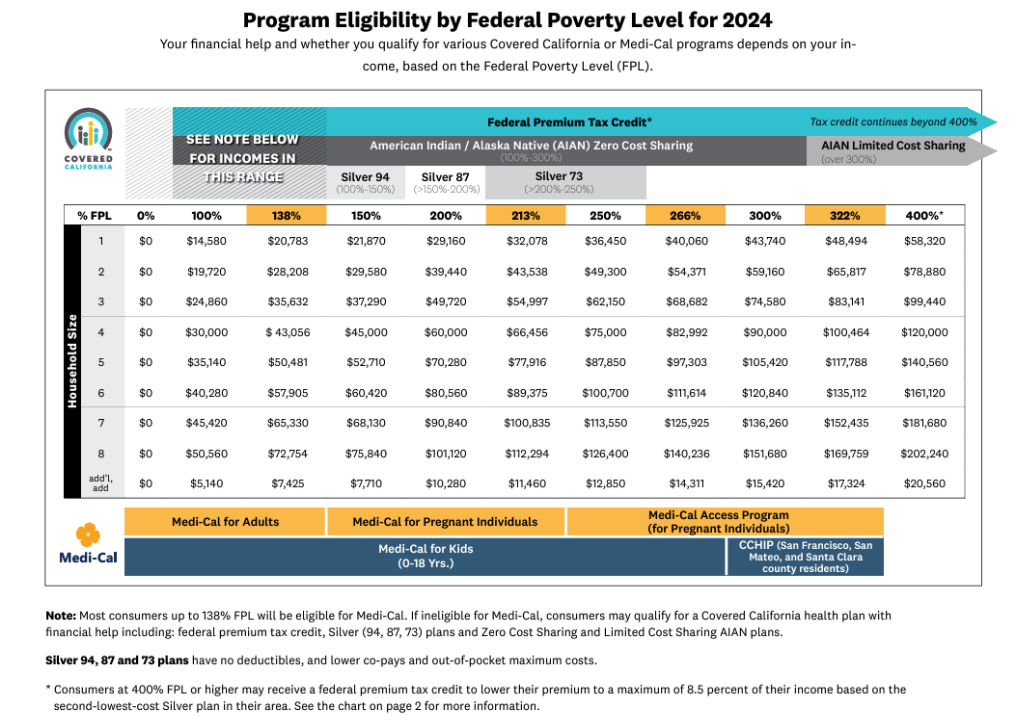
If you serve clients with variable incomes, anchor your scale to real data rather than guesswork.
Use Federal Poverty Guidelines
Required for Federally Qualified Health Centers but useful for anyone offering income-based pricing. Get current HHS Poverty Guidelines updated yearly, match household size and income to percentage of Federal Poverty Level, and assign discount tiers accordingly.
Example: A family of three earning $30,000 equals approximately 140 percent of FPL and qualifies for a partial discount.
Create Self-Defined Tiers
No need to use Federal Poverty Level if you are not receiving federal funding. Define income ranges such as under $20,000 for Tier 1, $20,001 to $40,000 for Tier 2, and over $40,000 for Tier 3. Or use broader categories like living paycheck to paycheck, comfortable but not wealthy, and financially secure.
Let clients self-select based on description without requiring documents. Be clear that honesty is expected and frame it as community trust.
Build a Written Sliding Scale Policy
A formal policy protects you legally and ensures consistency across all clients.
Required Policy Elements
Your policy should include eligibility criteria stating who qualifies based on income level, household size, insurance status, or residency. List acceptable proof of income such as pay stubs from the last 30 days, tax returns, W-2 or 1099 forms, unemployment letters, Medicaid cards, or employer verification letters. For variable income, accept ledgers, bank statements, or signed self-attestation.
Set re-certification rules for how often clients must verify their status, typically annually or after major life changes like job loss or divorce. Send reminders 30 days before expiration.
Outline the application process including form submission, staff verification, tier assignment, and billing system updates. Use secure methods like encrypted email or password-protected portals.
Train staff on how to ask about finances sensitively, what to do if documentation is missing, and when to escalate issues. Have clients sign a form confirming understanding of their tier, commitment to report changes, and agreement to reapply when due. Store securely and comply with privacy laws.
Implement Online Pricing Options
Digital products need technical setups that match your chosen model.
Multiple Price Tiers
List all options on one page using platforms like Teachable for courses, Gumroad for digital downloads, or Shopify product variants.
Example: Supported rate at $15, Standard rate at $30, Pay-It-Forward at $50. Add descriptions so clients understand each tier’s purpose.
Discount Codes
Set one base price and offer codes for reductions. Example: Base price $40, code SUPPORT equals $10, code THANKYOU equals $25. Distribute codes via email request, social media posts, or community partners. Prevent abuse by limiting code use or requiring email verification.
Donation Button
Use for open-ended giving with PayPal Donate, Stripe Payment Links, or Buy Me a Coffee. Label with empowering text like support this work, pay what you can, no one turned away. Include a suggested amount to guide decisions.
Enrollment Caps
Limit how many can enroll at the lowest price. This prevents oversubscription, ensures sustainability, and creates urgency for early sign-ups. Example: Only five spots available at the $5 tier. This feature is available in Teachable, Kajabi, and Thinkific.
Communicate With Empathy and Clarity
How you talk about your sliding scale shapes how it is received.
Use Inclusive Language
Avoid stigmatizing terms like discounted, low-income, or charity. Instead, use accessibility tier, community-supported rate, or choose your level of support. Example: We believe healing belongs to all. Select the tier that fits your current reality.
Explain the Purpose
Tell your story: Our sliding scale exists because we know financial hardship should not block access to care. Those who can help keep these options open for others. Highlight reciprocity by noting when clients choose Pay-It-Forward, they directly fund someone else’s participation.
Make It Visible
Post your scale on your website pricing or FAQ page, in intake packets, at checkout, and in email signatures. Create a simple chart showing income level paired with suggested fee.
Avoid Legal and Insurance Pitfalls
Even with good intentions, missteps can trigger compliance risks.
Do Not Violate Insurance Contracts
If you accept Medicare, Medicaid, or private insurance, you must charge the contracted rate. Charging less may be seen as fraud if routine or advertised. The OIG allows occasional, unadvertised copay waivers for documented financial hardship, but never promote discounts for insured patients. Sliding scales apply best to self-pay clients.
Never Discriminate
Apply the same process to all clients. If one client gets a reduced rate, others in similar situations must have equal access.
Consult a Lawyer First
Especially if you operate a clinic, accept public funding, or serve large volumes of patients. An attorney can help draft compliant policies, navigate HIPAA and billing rules, and avoid anti-kickback violations.
Monitor and Adjust Over Time
Your sliding scale is not set in stone. Review it regularly.
Track Key Metrics
Monitor number of clients using reduced rates, average revenue per client, staff time spent on verification, and client feedback. If 60 percent are choosing the lowest tier, consider capping or adjusting.
Update Annually
Re-evaluate operating costs, Federal Poverty Guidelines, market rates, and client needs. Adjust tiers and caps as needed.
Gather Feedback
Ask clients whether the sliding scale made services accessible. Ask staff whether the process is clear and manageable. Use insights to refine your approach.
Common Challenges and Fixes
Every sliding scale faces hurdles. Be ready to address them.
Clients Do Not Know It Exists
Fix: Promote proactively by adding a banner to your homepage, mentioning it in welcome emails, and training staff to bring it up during intake. Many people do not ask, but we want you to know flexible pricing is available.
Misuse of Low Tiers
Fix: Add light verification by requiring brief income statements, using honor system with reminders, and capping enrollment at the lowest level. We trust you. Help us keep this system fair for everyone.
Revenue Instability
Fix: Balance access with sustainability by limiting percentage of caseload on sliding scale, encouraging Pay-It-Forward upgrades, and offering seasonal access windows. Example: Extra Support tier opens twice a year for two weeks.
Administrative Burden
Fix: Automate and simplify using digital forms like Google Forms or JotForm, storing files securely in cloud folders, and setting auto-reminders for re-certification.
Key Takeaways for Implementing a Sliding Scale
Creating a sliding scale requires honest financial assessment before setting any prices. Choose between managed tiers with clear boundaries or unmanaged flexibility based on your comfort level and sustainability needs. Build a written policy that includes eligibility criteria, documentation requirements, and re-certification processes to protect yourself legally. Communicate using empowering language that avoids stigma and clearly explains the purpose. Monitor your metrics regularly and adjust annually to ensure the system remains fair and viable.
Start small with one tier, test it, learn from client feedback, and refine as needed. You do not have to solve systemic inequity alone, but you can create a pocket of fairness in your corner of the world.
Frequently Asked Questions About Creating a Sliding Scale
What is the first step in creating a sliding scale?
The first step is calculating your financial baseline. Determine your annual operating costs, add your desired personal income, and divide by 12 to find your monthly revenue target. This tells you the minimum you must earn to sustain your practice.
How do I determine how many reduced-fee clients I can afford?
Divide your monthly revenue target by your average client volume to find your break-even fee. If everyone paid less than this amount, you would lose money. Use this figure to set caps on reduced-fee slots.
Should I use Federal Poverty Guidelines for my tiers?
Use Federal Poverty Guidelines if you accept federal funding or want standardized, verifiable criteria. Otherwise, self-defined tiers based on general income categories work well and offer more flexibility.
Can I offer a sliding scale if I accept insurance?
You can offer reduced rates for self-pay clients, but you must charge the contracted rate for insured patients. Charging less than the allowed amount may be considered fraud if advertised or done routinely.
How often should I update my sliding scale?
Review your sliding scale annually. Update for changes in operating costs, Federal Poverty Guidelines, market rates, and client needs. Adjust tiers and caps as necessary to maintain sustainability.