You step on the scale, and the number is higher again. But when you look in the mirror, nothing looks different. No visible bloating, no tighter clothes, no change in your physique. If you’re experiencing scale up but not showing in the mirror, you’re not alone. This frustrating situation happens to many people working hard to improve their health and fitness. It does not mean your efforts are failing. In fact, it could signal real progress happening beneath the surface.
The scale measures total body mass, not transformation. It cannot tell the difference between muscle, water, glycogen, waste, or fat. When you are building strength, improving fitness, or adjusting your diet, increased scale weight without visible changes often reflects positive internal shifts. This guide explains exactly why this happens and what you can do about it.
Muscle Gain vs. Fat Loss: Body Recomposition

When you lift weights and eat enough protein, your body may be losing fat while gaining muscle at the same time. This process is called body recomposition, and it is the reason many people see no change or even a slight increase on the scale despite looking leaner and more toned.
Why Muscle Weighs More Than It Looks
Muscle is denser than fat. One pound of muscle takes up about 20 percent less space than one pound of fat. This means you can gain weight while losing inches and improving your appearance. Two people can weigh the same amount but look completely different. The person with higher muscle mass and lower body fat appears lean and defined. The person with lower muscle mass and higher body fat looks softer and rounder.
Even if your weight goes up slightly, increased muscle mass improves your metabolism, your strength, and your body shape. That is progress the scale cannot capture.
Signs You Are Recomposing
Your clothes may fit better, especially around the waist and arms. You might notice improved muscle definition in your arms, shoulders, or legs. Your strength in workouts may increase. Your scale weight might be stable or rise slightly. If this sounds like you, do not panic. Your body is changing in the right direction.
Post-Workout Water Retention
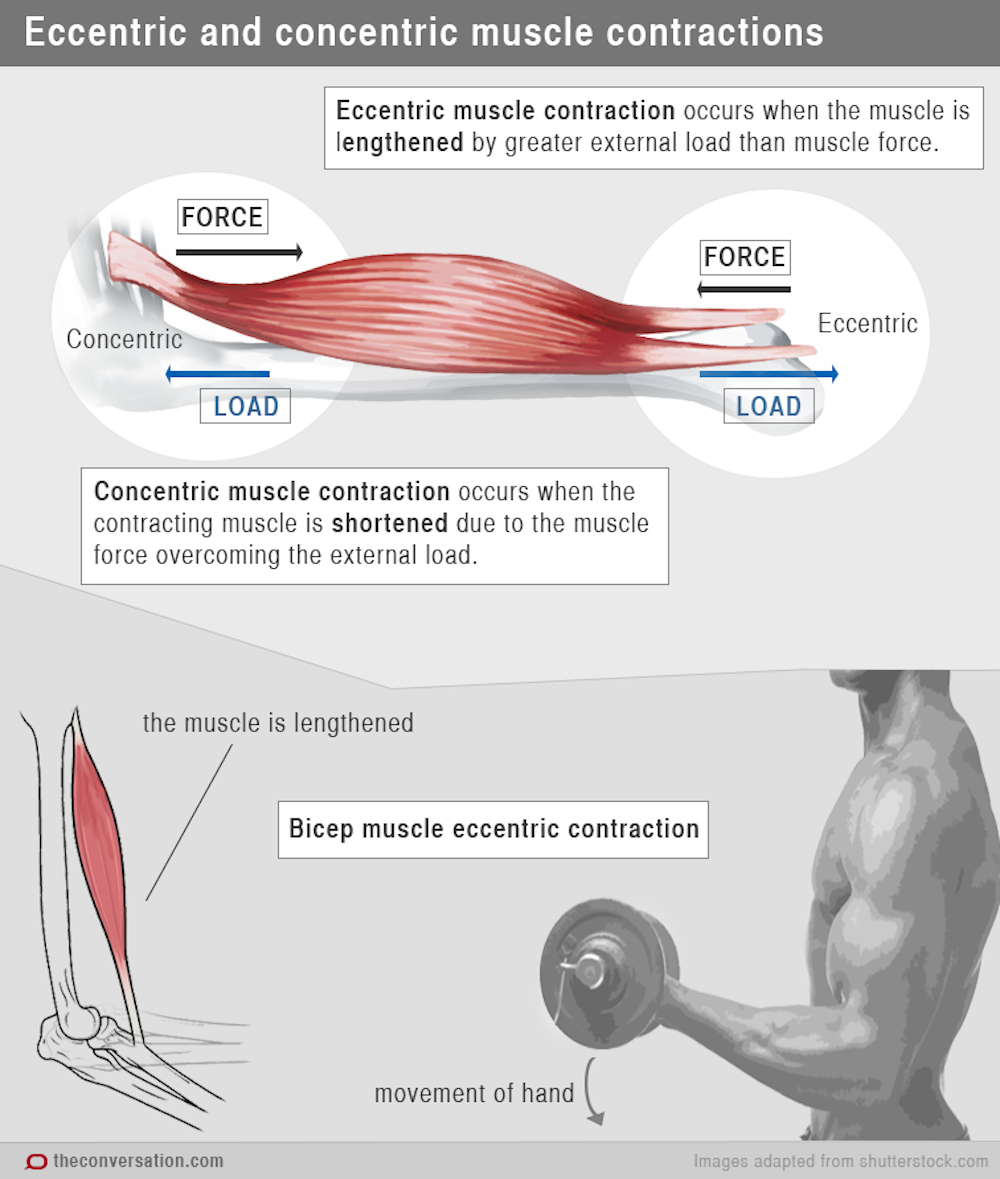
Intense workouts, especially strength training, cause tiny tears in muscle fibers. As your body repairs them, it triggers inflammation and temporary water retention in the muscles. This is a normal part of the healing process.
What Happens After a Hard Workout
Your immune response increases blood flow and fluid to the damaged muscles. Swelling occurs as part of healing, which is often called delayed onset muscle soreness. This extra fluid adds 0.5 to 3 pounds temporarily. The effect is most noticeable when you start a new routine or return to exercising after a break.
How Long It Lasts
This type of water retention typically lasts 24 to 72 hours after exercise. Your weight returns to baseline as the inflammation subsides. Avoid weighing yourself immediately after a tough workout session. Wait until the next morning for a more accurate reading.
Sodium and Water Retention
Eating a high-sodium meal can cause rapid, short-term weight gain due to water retention, not fat gain. This is a common reason why the scale spikes without any actual change in your body composition.
How Sodium Affects Weight
Sodium pulls water into your cells to maintain balance. When you eat excess salt, your kidneys hold onto more water to compensate. This can result in 1 to 5 extra pounds in a single day. You may notice visible bloating or puffiness in your face, hands, or abdomen.
When It Resolves
This weight typically drops within 24 to 48 hours if you drink more water and reduce your sodium intake. Common sources of hidden sodium include processed foods, canned soups, fast food, soy sauce, and salad dressings.
If your scale spikes after a salty meal, do not worry. It is not fat. Simply wait it out and stay hydrated.
Hormonal Water Retention During Your Cycle
For many women, the week before their period brings a confusing scale jump of 2 to 5 pounds higher without any real change in body composition. This is completely normal and temporary.
Why This Happens
Rising estrogen and progesterone levels trigger increased aldosterone, a hormone that promotes sodium and water retention. Insulin sensitivity also shifts, affecting fluid balance in your body.
Timing and Symptoms
This typically begins 3 to 7 days before menstruation starts. It causes bloating, abdominal tightness, and puffiness. Many people mistake this for fat gain, but it is purely fluid.
This weight is temporary. It drops back down once menstruation begins. Track your cycle and scale trends together. If weight rises before your period but falls after, it is hormonal water retention, not fat.
Glycogen and Carbohydrate Storage
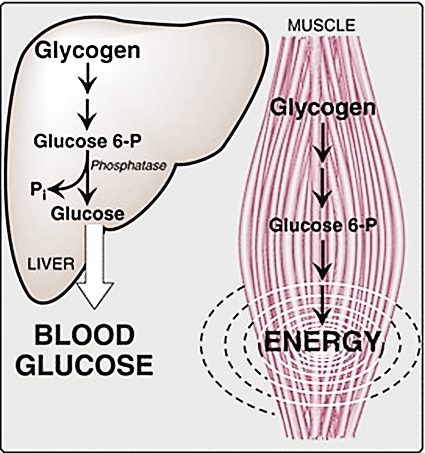
Carbohydrates are stored in your muscles and liver as glycogen, and each gram of glycogen holds 3 to 4 grams of water. This relationship is why carb intake can cause temporary scale fluctuations.
What Happens When You Eat More Carbs
After following a low-carb or keto diet, reintroducing carbohydrates causes rapid glycogen replenishment. Water rushes back in to bind with the glycogen. This can cause the scale to jump 1 to 4 pounds in just one to two days. There is no fat gain. Your body is simply restoring its energy stores.
Example Scenario
Imagine you have been low-carb for weeks, then you eat a pasta dinner. The next morning, your scale is up 3 pounds. But you feel stronger, less fatigued, and you look exactly the same. This is not failure. It is your body refueling.
Rapid weight gain after increasing carbohydrates is mostly water, not fat. Do not let this discourage you from eating a balanced diet.
Digestive Tract Contents and Waste
Your digestive system can hold 1 to 5 pounds of food, gas, and waste at any time. This can create fluctuations on the scale that have nothing to do with your actual body composition.
Why This Affects the Scale
Large meals cause temporary weight increases. Slow digestion or constipation leads to prolonged retention of waste products. This can cause abdominal distension that mimics fat gain, but it is simply undigested material passing through your system.
Common Causes
Low fiber intake, dehydration, lack of movement, and certain supplements like iron can all contribute to digestive sluggishness. Fix this by drinking more water, eating fiber-rich foods like vegetables and whole grains, and staying active.
For the most consistent reading, weigh yourself after a bowel movement and before breakfast.
Creatine and Supplement Effects
Creatine monohydrate is one of the most researched and effective supplements for strength and performance. However, it does cause water retention that shows up on the scale.
How Creatine Affects Weight
Creatine increases phosphocreatine stores in your muscles and draws water into muscle cells. This intracellular retention causes an average gain of 2 to 5 pounds in the first week of supplementation. Your muscles may appear fuller and harder. You might notice a slight increase in size due to water, not fat.
This is not fat gain. It is a normal, expected effect of creatine supplementation that many athletes actually want because it enhances muscle definition.
Other Supplements to Consider
Other supplements like flavored protein powders or pre-workout drinks may contribute hidden calories, sugars, and sodium. A single serving of flavored protein powder can contain 150 to 250 calories from added sugars. Always check labels and consider choosing third-party tested brands for transparency.
Metabolic Adaptation and Plateaus
If you have been in a calorie deficit for a long time, your body may adapt by slowing your metabolism. This can be confusing because the scale seems stuck or even goes up slightly.
Signs of Metabolic Adaptation
Weight loss stalls and the scale shows no change for weeks. You may interpret this as gaining when you are actually maintaining. This can coincide with body recomposition, where fat is slowly decreasing while muscle is slowly increasing. The scale stays flat or creeps up slightly despite your continued efforts.
Contributing Factors
Chronic stress elevates cortisol, which promotes fluid retention and visceral fat storage. Poor sleep under seven hours disrupts your hunger hormones leptin and ghrelin. Inaccurate calorie tracking can lead to an unintentional surplus.
Focus on non-scale progress like strength gains, energy levels, and mood improvements. Consider a diet break or reverse diet to reset your metabolism if you have been in a deficit for an extended period.
Why the Scale Misleads You
The scale only measures total body mass. It cannot distinguish between fat, muscle, water, glycogen, or waste. Daily fluctuations of 3 to 5 pounds are completely normal and do not reflect actual changes in your body composition.
What the Scale Does Not Show
The scale cannot show muscle gain, fat loss, improved body shape, strength and endurance improvements, or energy level changes. Relying on it alone leads to frustration and misinterpretation of your actual progress.
Your muscle-to-fat ratio is a better health indicator than your body weight alone. Weight is just one data point, and it often tells an incomplete story.
Better Ways to Track Progress
There are many effective methods to track your progress that provide a more complete picture than the scale alone.
Body Measurements
Use a tape measure to track changes in key areas like your waist at the belly button, hips at the widest part, chest, arms, and thighs. Even if weight stays the same, losing fat and gaining muscle reduces your measurements. Measure once a week at the same time and under the same conditions for consistency.
Progress Photos
Take front, side, and back photos weekly or biweekly using the same lighting, clothing, and pose. Visual changes often appear before scale changes become noticeable. Compare photos side by side to spot subtle improvements you might miss in the mirror.
Clothing Fit
Pay attention to how your clothes feel. Are your jeans looser around the waist? Are your shirts tighter in the shoulders or arms? Do you need a belt adjustment? This is real-world feedback the scale cannot provide.
Body Fat Percentage
Measuring your body fat percentage is more accurate than weight alone. DEXA scans are the gold standard and measure fat, muscle, and bone. Skinfold calipers require a skilled technician but provide good accuracy. BIA scales are convenient but can be affected by hydration status. Use these methods to track trends over time rather than focusing on single values.
Performance Metrics
Track what your body can do. Can you lift heavier weights? Do more reps? Run farther or faster? Improved recovery times are also signs of progress. These are clear indicators that your fitness is improving even if the scale goes up.
How to Weigh Yourself Accurately
If you choose to use the scale, follow these guidelines for the most accurate readings.
Best Weighing Protocol
Weigh yourself first thing in the morning after urination and bowel movement but before eating, drinking, or exercising. Wear naked or the same light clothing each time. Place the scale on a hard floor, not carpet. Weigh daily or weekly only if it does not cause you stress.
Research shows daily weighing is linked to better long-term weight control, but only for people who do not develop anxiety around it. If the scale makes you obsessive or discouraged, stop weighing and focus on non-scale victories instead.
When to Worry About Scale Gain
Most short-term weight increases without visible changes are harmless and temporary. However, see a doctor if you notice sudden unexplained weight gain of 10 or more pounds in a week, swelling in your legs ankles or face, shortness of breath, or fatigue with irregular heartbeat.
These symptoms could indicate medical issues like heart or kidney problems, thyroid dysfunction, or hormonal disorders. Otherwise, trust the process and look beyond the scale.
Key Takeaways for Tracking Real Progress
Gaining weight on the scale but not showing is normal, common, and often a sign of progress rather than failure. Here is what you should do.
Keep lifting weights to build muscle. Eat enough protein to support muscle growth and reduce hunger. Stay hydrated to help flush excess sodium. Track measurements, photos, and strength improvements. Weigh under consistent conditions or skip it entirely if it causes stress.
Avoid weighing yourself after salty meals or workouts. Do not panic over daily fluctuations. Do not rely solely on the scale to measure your progress. Avoid cutting calories too low, which triggers metabolic slowdown.
Focus on non-scale victories like more energy, better sleep, improved mood, clothes fitting better, and feeling stronger. These are the true measures of your transformation.
Frequently Asked Questions About Gaining Weight on Scale But Not Showing
Why did I gain weight but look the same?
This usually happens due to water retention, muscle gain, glycogen storage, or digestive contents. The scale measures total mass, not body composition. Muscle is denser than fat, so you can gain weight while looking the same or even leaner.
How long does post-workout water retention last?
Post-workout water retention typically lasts 24 to 72 hours. This is due to inflammation from muscle repair. Weigh yourself in the morning before workouts for the most accurate reading.
Can sodium cause temporary weight gain?
Yes. High sodium intake causes your body to hold onto water. This can add 1 to 5 pounds within hours of a salty meal. This typically resolves within 24 to 48 hours with proper hydration.
Is muscle gain making me gain weight on the scale?
Yes. Muscle is denser than fat, so building muscle can raise scale weight while you actually become leaner. This is called body recomposition and is a positive change. Look for other signs like improved strength and clothing fit.
Should I stop weighing myself if the scale causes stress?
If weighing yourself causes anxiety, obsession, or discouragement, stop using the scale and focus on non-scale progress indicators like measurements, photos, strength gains, and how your clothes fit. Your mental health matters more than a number.