You step on your Hume smart scale each morning, excited to track progress, only to watch your body fat drop 3% overnight or spike after a glass of water. Confusing, right? You’re not alone. Despite its sleek design and AI-powered health insights, the Hume scale is not accurate for measuring body composition. While it reliably tracks weight, its estimates for body fat, muscle mass, and visceral fat are often wildly off, especially when compared to clinical gold standards like DEXA scans.
Independent tests, user comparisons, and clinical reviews confirm that Hume underestimates body fat by up to 34%, overestimates lean mass, and fluctuates dramatically based on hydration. For athletes, women, and those tracking precise fitness goals, these inaccuracies can be misleading or even dangerous. But here’s the twist: even with flawed numbers, many users stay hooked because it keeps them engaged. The real value isn’t in the data; it’s in the daily habit.
This guide breaks down exactly why the Hume scale is not accurate, what metrics you can and cannot trust, and how to use it wisely without being misled by optimistic percentages.
Why Hume Body Fat Readings Are Wrong
Hume consistently underestimates fat mass while inflating lean mass, creating a false picture of body composition. These systematic errors make it unreliable for anyone serious about tracking their actual body composition.
Hume Underestimates Fat Mass by 34%
In a direct comparison with a DEXA scan, a 200-lb male saw shocking discrepancies. Hume reported 27.1 lbs of fat at 17.7% body fat, while DEXA measured 41.4 lbs at 20.5% body fat. The difference was 14.3 lbs less fat, representing a 34.5% underestimation. This is not an outlier. Multiple users report Hume showing ideal body fat percentages while DEXA reveals values in higher, more realistic ranges. The problem is that Hume’s algorithm consistently skews low, giving false confidence, especially dangerous for those aiming for lean cuts or monitoring metabolic health.
Lean Mass Is Artificially Inflated
Because body composition math is a zero-sum game where fat plus lean equals total weight, underestimating fat means overestimating muscle. In the same test, Hume reported 160.8 lbs of lean mass while DEXA measured 157.1 lbs including 7.8 lbs of bone. The result is 3.7 lbs of phantom muscle added by the scale. This can trick strength trainers into thinking they are gaining muscle when they are not, undermining real progress tracking.
Visceral Fat Estimate Is Meaningless
Hume shows a visceral fat index of 6 labeled as Low, but DEXA measured 427g of visceral fat with an index of 9 labeled as Standard to Low. The scales do not match, and the units are not directly comparable. Visceral fat is a key marker for heart disease and insulin resistance. Relying on Hume’s algorithm-based guess that is sensitive to hydration rather than anatomy is clinically unreliable for health risk assessment.
How Hume’s BIA Technology Fails
The technology behind Hume’s measurements has fundamental limitations that cause inaccurate readings. Understanding these flaws helps explain why the numbers diverge so dramatically from clinical standards.
BIA Relies on Flawed Assumptions
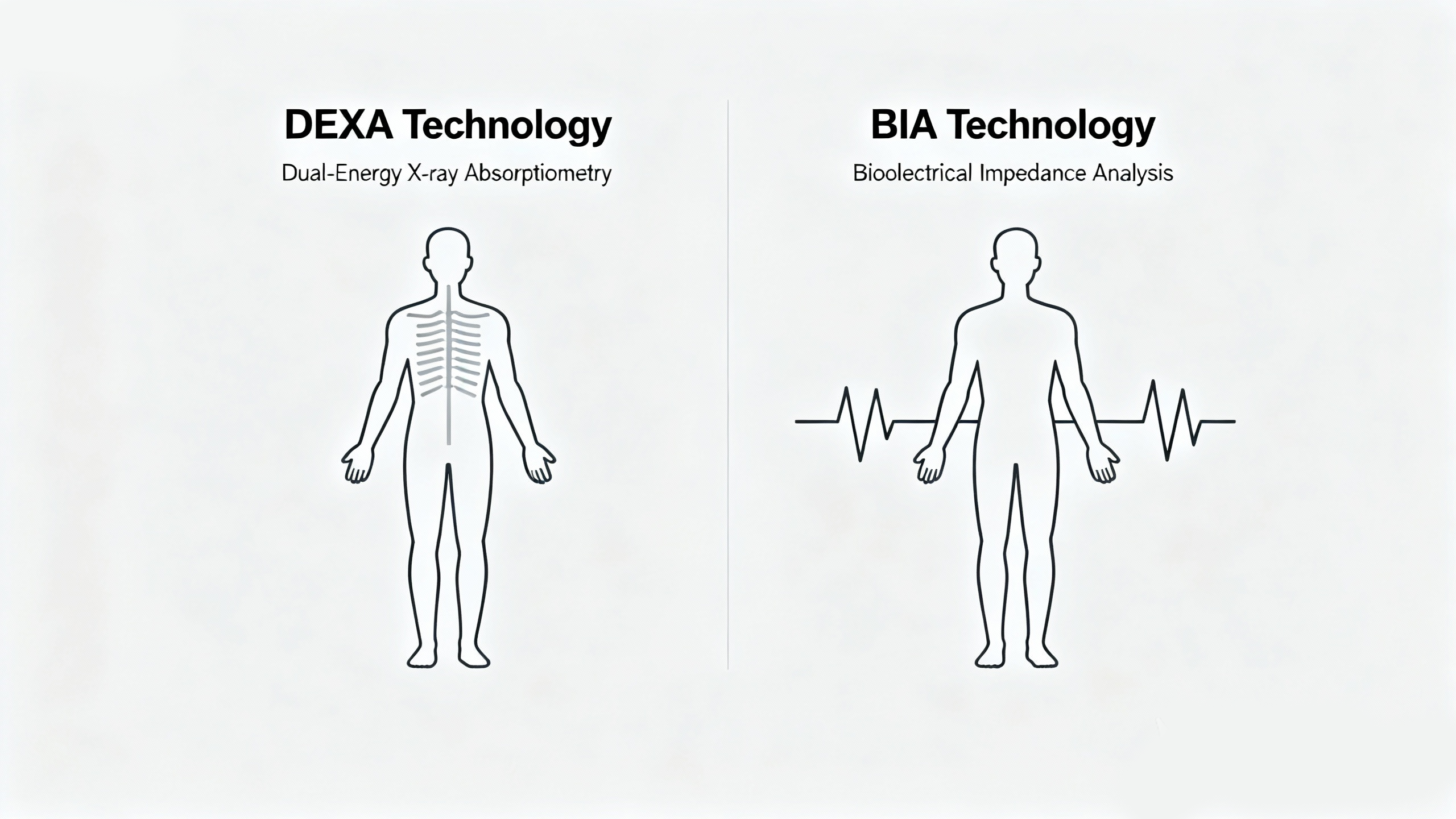
The Hume scale uses Bioelectrical Impedance Analysis, sending a weak current through your body via foot and hand sensors. Muscle, being hydrated, conducts electricity well. Fat resists it. The scale measures resistance and plugs it into an algorithm with your age, height, and gender to estimate body fat. But BIA does not measure fat; it guesses based on water flow. Dehydration causes higher impedance and falsely high fat readings. Overhydration causes lower impedance and falsely low fat readings. Recent workouts cause fluid shifts and erratic numbers. Even a single glass of water can swing your reading by 2-5% body fat in minutes.
Segmental BIA Does Not Fix Accuracy
Hume markets its hand-and-foot sensors as segmental BIA for better torso and limb analysis. While this design can improve accuracy in clinical settings, consumer-grade devices like Hume lack the calibration and controls to make it meaningful. Real-world tests show 17-25% error rates in segmental muscle and fat estimates, which is too high for reliable tracking.
Hume vs. DEXA: The Gold Standard Test
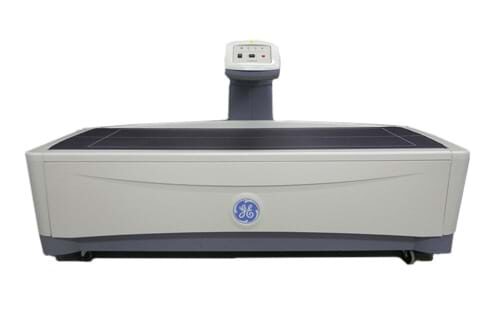
Comparing Hume directly against clinical DEXA scans reveals the true extent of its inaccuracies. Understanding this difference helps users set realistic expectations.
DEXA Measures What Hume Cannot
Dual-Energy X-ray Absorptiometry uses low-dose X-rays to directly map fat mass, muscle mass, bone density, and visceral fat in grams. Unlike BIA, DEXA is not fooled by hydration, food, or timing. It is used in hospitals, research, and elite sports because it is accurate. Non-diagnostic DEXA scans cost $40-$150 and require no referral. For anyone serious about body composition, it is the only trustworthy baseline.
Hume Tracks Trends, Not Truth
While Hume fails on absolute accuracy, it can reflect direction. In one case, Hume showed body fat dropping from 17.7% to 13.6% over months, and DEXA confirmed a real drop from 20.5% to 17.2%. So while the starting point was wrong, the trend was real. Hume is not measuring your body fat; it is measuring changes in hydration and impedance. But if used consistently, those changes can correlate with real progress.
Why Women and Athletes Get the Worst Results
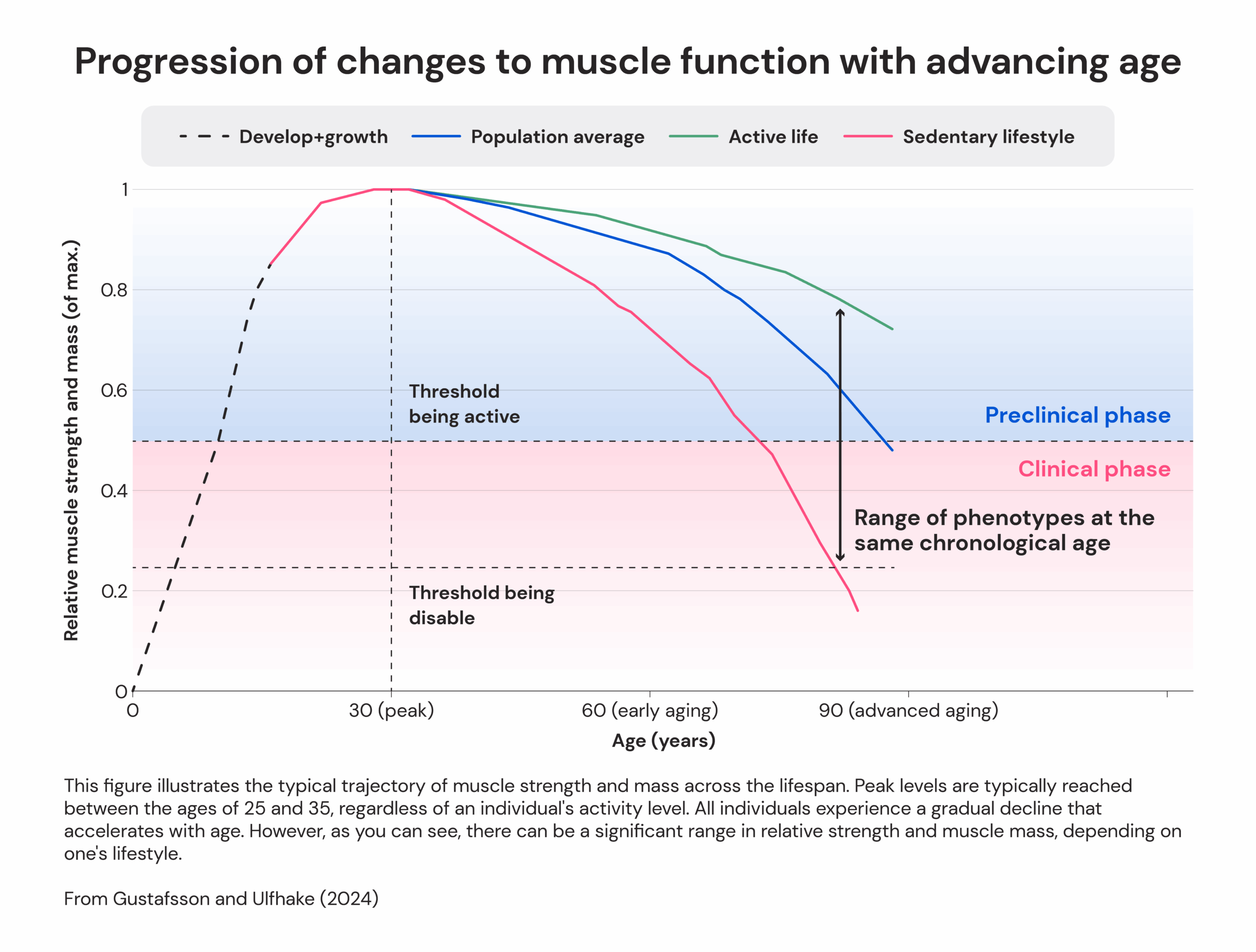
Certain groups experience significantly worse accuracy from Hume due to physiological factors that BIA cannot account for. These users should be especially cautious about relying on the numbers.
Hormonal Fluctuations Skew Readings
Women experience monthly fluid shifts due to estrogen and progesterone. BIA interprets this as fat gain or muscle loss, even when body composition has not changed. One user reported 22% body fat on day one post-period and 28% on day 14 during ovulation, with the same weight and routine, just water retention. Hume’s algorithm does not account for this, making it especially unreliable for women.
Athletes See False Muscle Gains
Lean, muscular individuals have low body water variability, but Hume’s algorithm assumes average hydration. This leads to overestimated muscle mass and underestimated fat, even at 8-10%. Confusing fluctuations post-workout are common. For bodybuilders or fitness competitors targeting specific body fat ranges like 12%, Hume’s 34% underestimation can be disastrous.
Daily Fluctuations Make Tracking Useless
The numbers Hume displays can swing dramatically within a single day, making it nearly impossible to determine if any real progress has occurred.
Readings Swing by 20-30% Daily
A single day can show 16% body fat in the morning fasted, 19% after lunch, 22% post-workout, and 15% in the evening with hydration. These swings are not real fat loss or gain; they are hydration artifacts. Yet Hume displays them as real metrics, eroding trust and motivation.
Most Accurate Only Under Strict Conditions
To minimize noise, weigh first thing in the morning after using the bathroom and before eating, drinking, or exercising. Use bare feet with the same foot placement. Avoid alcohol or intense workouts the night before. Even then, expect ±3% error in body fat.
Subscription Locks Advanced Insights
Hume requires a paid subscription to access its full features, but users are paying to interpret inaccurate numbers.
Pay $120 Yearly for Flawed Data
Hume charges $9.99 monthly for AI health insights, trend analysis, Apple Health sync, metabolic age, and health score. But here is the irony: you are paying to interpret inaccurate numbers. Competitors like Withings and RENPHO offer full features without subscriptions and often with better accuracy. For $348 in the first year, you are paying premium prices for mid-tier performance.
How Hume Compares to Other Scales
Hume ranks lower than several competitors that offer better accuracy without subscription fees.
| Device | Clinical Score | Subscription Required | More Accurate |
|---|---|---|---|
| Oxiline Scale MD Pro | 93/100 | No | Yes |
| Withings Body Scan | 89/100 | No | Yes |
| RENPHO MorphoScan Nova | 89/100 | No | Yes |
| Hume Health Body Pod | 81/100 | Yes | No |
Hume ranks ninth out of 20 evaluated devices despite its high price. You can get better accuracy, no subscription, and longer warranty for less money.
How to Use Hume Without Being Misled
Despite its inaccuracies, Hume can still provide value if used strategically. The key is understanding its limitations and using it for the right purposes.
Treat It as a Motivational Tool
Hume’s real strength is not accuracy; it is habit formation. Users report stepping on the scale daily due to instant feedback, staying consistent with health goals, and feeling motivated by metrics like Metabolic Age 38 versus actual age 51. One long-term weight loss success story said the numbers are lies, but it keeps me on the scale, and that is what matters.
Use the Hybrid DEXA Plus Hume Method
Get a DEXA scan to establish your true baseline, then use Hume daily to track direction of change. Recheck DEXA every 3-4 months to validate progress. This way, you get clinical truth from DEXA, daily motivation from Hume, and no illusion of precision.
Never Set Goals Based on Hume Numbers
Do not aim for 15% body fat if Hume says you are at 17%. You might already be there or below. Use photos, measurements, and DEXA instead.
Frequently Asked Questions About Hume Scale Accuracy
Why does my Hume scale show different body fat readings throughout the day?
Hume uses BIA technology that measures hydration rather than actual fat. A single glass of water can swing body fat readings by 2-5% because water conducts electricity differently than fat tissue. Morning readings after fasting tend to be most consistent.
Can I trust Hume scale weight measurements?
Yes, weight measurements are accurate and reliable. The Hume scale performs well for tracking body weight, with 99/100 precision scores in clinical testing. The problems arise with derived metrics like body fat percentage, muscle mass, and visceral fat estimates.
How does Hume compare to DEXA scans?
DEXA is the clinical gold standard and measures actual tissue composition using X-rays. Hume underestimates body fat by up to 34% compared to DEXA and overestimates lean mass by several pounds. However, Hume can track directional trends reasonably well even when absolute values are wrong.
Is the Hume scale worth the subscription cost?
For $120 annually plus the $229 device cost, the subscription provides AI insights on data that is fundamentally inaccurate. Competitors offer similar or better features without mandatory subscriptions, making Hume poor value for the accuracy you receive.
Who should avoid buying the Hume scale?
Athletes, bodybuilders, women tracking hormonal changes, and anyone needing precise body composition data should avoid Hume. The 34% underestimation of body fat can be disastrous for fitness competitors, and the wild daily fluctuations make it useless for tracking real progress.
Key Takeaways for Understanding Hume Scale Accuracy
The Hume scale is not accurate for body composition metrics, but it can still serve a purpose when understood correctly. It underestimates fat by up to 34%, overestimates lean mass, and produces highly variable results due to hydration sensitivity. The device works well for weight tracking and can motivate daily habit formation, but the body fat, muscle mass, and visceral fat numbers should never be trusted as absolute values.
For reliable body composition tracking, get a DEXA scan to establish your true baseline and recheck every 3-4 months. Use Hume daily to stay engaged with your health journey, but verify progress with clinical measurements rather than relying on optimistic algorithm outputs. The Hume scale is a behavioral tool, not a measurement device. It is great for building habits, but terrible for truth.