If you’re an archer—whether a hunter, competitive shooter, or beginner—you need to know the exact draw weight of your bow. Using a bow scale is the most reliable way to measure this critical number. Draw weight affects arrow speed, accuracy, and hunting effectiveness, and even small changes can impact your performance. Without accurate measurement, you risk inconsistent shooting, equipment damage, or failing to meet legal hunting requirements.
A bow scale eliminates guesswork. It lets you verify factory specs, adjust limb tension, track string stretch, and fine-tune your setup. Whether you own a compound, recurve, or longbow, learning how to use a bow scale correctly ensures safety, consistency, and peak performance. In this guide, you’ll learn step-by-step how to measure draw weight accurately, avoid common mistakes, and choose the right tool for the job.
Choose the Right Bow Scale
Mechanical vs Digital Scales
You have two main options: mechanical (analog) and digital bow scales. Mechanical scales use a spring and dial to show draw weight. They are durable, battery-free, and ideal for field use. Most handle up to 100 lbs and cost $15 to $30. However, they lack peak-hold features, making them less accurate for compound bows with let-off.
Digital scales offer precise readings—often to 0.1 lb—and include peak-hold mode, which captures maximum draw weight automatically. This is essential for compound bows. Priced between $25 to $60, they are more sensitive to drops and moisture but deliver superior accuracy. Look for models with rugged casing, a secure hook, and at least 100-lb capacity.
Key Features to Check
When selecting a bow scale, prioritize these specifications.
- Deep, curved steel hook prevents slippage
- Peak-hold function is critical for compound bow testing
- Weight range must exceed your bow’s max draw weight by 10 percent
- Metal housing with rubber grip survives outdoor use
- Calibration capability using known weights like dumbbells
Avoid cheap, generic luggage scales unless they meet all criteria. While usable in a pinch, they often fail under repeated archery loads.
Attach the Scale Properly
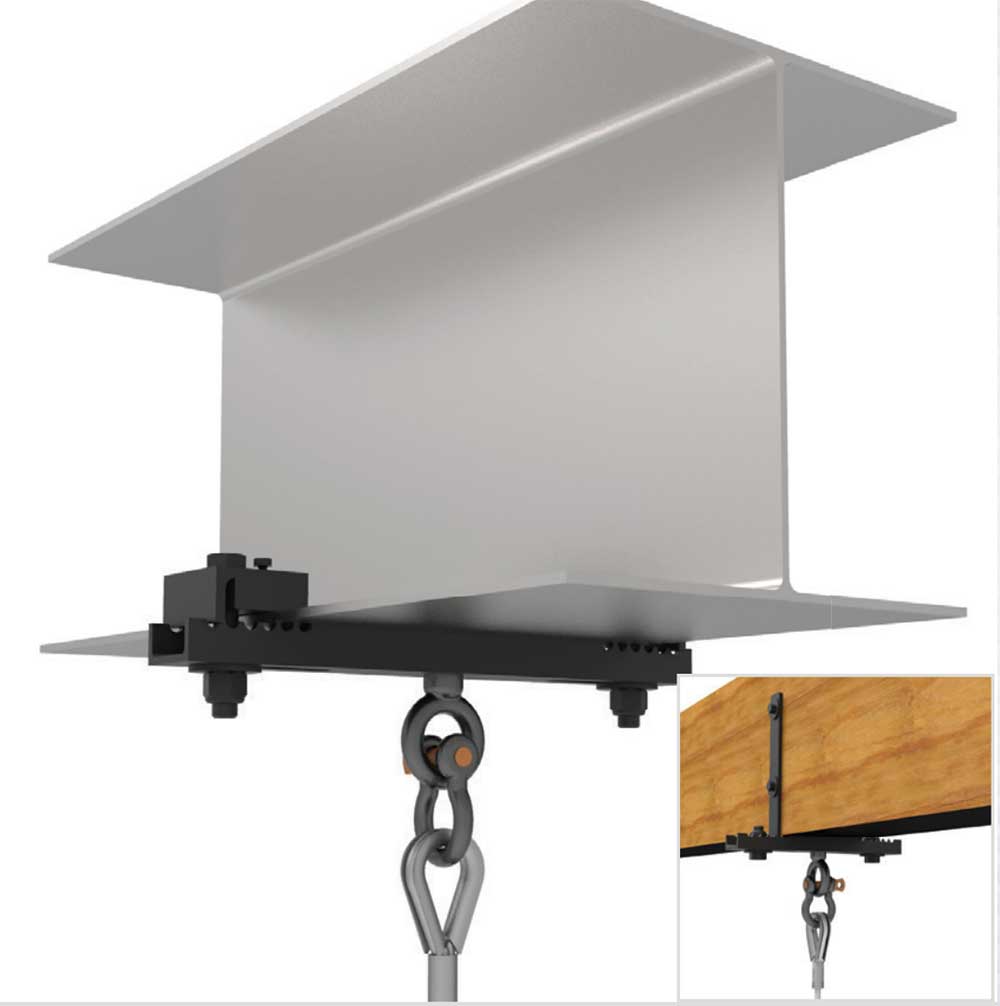
Secure the Scale First
Begin by anchoring the bow scale. Hang it from a sturdy overhead point like a ceiling beam, door hanger, or bow press frame. Ensure the support can handle sudden force. If hanging is not possible, hold the scale firmly in one hand, but this may reduce accuracy.
For digital models, power on and activate peak-hold mode before starting. This captures the highest reading during the draw, even after let-off occurs.
Hook the Bowstring Correctly
Position the hook at the nock point, which is the center of the string where the arrow attaches. Make sure the hook seats fully and will not slip during the draw. A shallow or worn hook can disengage under tension, creating a dangerous situation.
Never attach the scale to the arrow rest, limb, or cable. Only connect to the string at the nocking point.
Position the Bow Vertically
Hold the bow straight up and down. Keep it vertical to prevent side stress on limbs and ensure even pull. Use one hand on the riser (handle) to stabilize it. Avoid twisting or tilting the bow, as this skews readings and risks damage.
If available, mount the bow in a vice or stand for hands-free testing. This improves consistency, especially when repeating measurements or making adjustments.
Safety Tip: Wear eye protection. Never point the bow toward people, windows, or walls, even without an arrow.
Draw the Bow Smoothly
Pull Straight Down
Begin drawing the string straight down toward your waist or hip. Mimic your normal shooting motion, but without anchoring. Pull slowly and steadily. Do not jerk or snap the string. Sudden movement causes inaccurate spikes on the scale.
On compound bows, peak draw weight occurs just before let-off, which is when the cams reduce holding weight. The scale must capture this maximum point.
Reach Full Draw Length
Draw to your standard 28-inch reference length, unless testing a custom draw. Most factory ratings are based on 28 inches, so this allows fair comparison.
For personalized accuracy, use a draw board to stop the draw at exactly 28 inches or your specific draw length. This is especially useful when tuning or adjusting limb bolts.
Visual Cue: Watch for the cams to lock into let-off on compound bows. Your peak reading should occur just before this transition.
Record the Peak Draw Weight
Read Mechanical Scales Correctly
On analog models, watch the needle rise. The highest stable position indicates peak draw weight. If the needle fluctuates, note the top value before it drops due to let-off.
Avoid parallax error. Read the dial straight-on, not from an angle.
Use Digital Peak-Hold Mode
Digital scales with peak-hold will freeze the maximum weight automatically. Wait a second after full draw to ensure the value locks in. Then release the string slowly.
If your scale lacks peak-hold, observe the display closely and record the highest number before the weight decreases.
Example Reading
- Display shows 52.3 lbs. This is your peak draw weight at 28 inches.
- Compare to your target (for example, 50 lbs). If off, adjust limb bolts accordingly.
Repeat for Accuracy
Test 2 to 3 Times
One measurement is not enough. Repeat the process at least two more times. Draw slowly each time and record all results.
Minor variations (plus or minus 0.5 lb) are normal. If differences exceed 1 to 2 lbs, check for inconsistent draw speed, bow misalignment, or loose scale hook.
Average Your Results
Add the three readings and divide by three. This gives a more reliable average.
- Test 1: 52.1 lbs
- Test 2: 52.4 lbs
- Test 3: 51.9 lbs
- Average: 52.1 lbs
Use this number for tuning decisions.
Adjust for Custom Draw Length
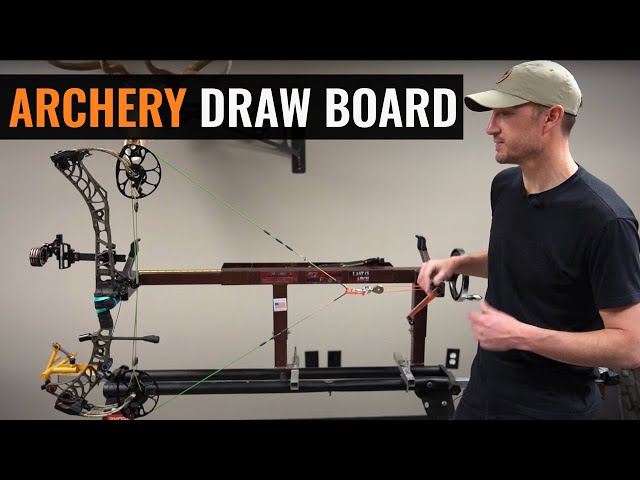
Understand the 2 to 3 lb Rule
Draw weight changes with draw length. Every inch beyond 28 inches adds approximately 2 to 3 lbs. Every inch under subtracts the same.
- Bow measures 50 lbs at 28 inches
- Your draw length is 30 inches
- Expected draw weight: 54 to 56 lbs
To measure exact weight at non-standard lengths, use a draw board with a stop at your draw length.
Measure at Exact Draw Length
Set up a draw board by mounting the bow securely. Attach the string to the draw mechanism. Crank to your precise draw length. Insert the bow scale between the draw string and bowstring. Pull and record peak weight.
This method delivers lab-level precision for tuning and competition prep.
Troubleshoot Inconsistent Readings
Why Readings Vary
Inconsistent numbers usually come from uneven draw speed, bow not being vertical, worn or stretched string, or loose limb bolts.
Fix Common Issues
- Needle sticks or jumps: Clean or replace mechanical scale.
- Lower than expected weight: Inspect string wear and tighten limb bolts.
- Hook slips off: Use deeper hook or add safety clip.
- Digital scale will not turn on: Replace batteries and dry out if wet.
- Fluctuating readings: Draw slower and align bow vertically.
Always test in room temperature. Cold weather can temporarily reduce string elasticity and lower readings.
Maintain Accuracy Over Time
Calibrate Regularly
Test your scale monthly using known weights like calibrated dumbbells. Hang 10, 25, or 50 lbs and confirm the scale reads correctly.
If off by more than 1 percent, recalibrate or replace it.
Store Properly
Keep the scale in a dry, temperature-stable place. Avoid leaving it in hot cars or damp garages. Moisture damages electronics. Extreme heat warps internal components.
Mechanical scales last 10 or more years with care. Digital units average 3 to 5 years.
Apply Results to Your Setup
Match Draw Weight to Ability
Excessive draw weight causes poor form, fatigue, and injury. Choose a weight you can shoot comfortably for 20 or more arrows without strain.
- Youth: 15 to 30 lbs
- Women: 30 to 45 lbs
- Men: 40 to 70 lbs
- Hunting: Minimum 30 to 40 lbs (check local laws)
Tune for Performance
Use your bow scale alongside a chronograph to track arrow speed versus draw weight. Small increases in draw weight boost speed and kinetic energy, which is critical for hunting penetration.
Log all changes including date, limb bolt turns, string used, draw weight, and environmental conditions. This helps reverse adjustments if needed.
Follow Safety Best Practices
Avoid Overdrawing
Never pull beyond your bow’s rated draw length. Over-drawing stresses limbs and can cause catastrophic failure.
Use a draw board to enforce limits during testing.
Prevent Hook Slippage
Ensure the hook is fully seated on the string. For extra security, use a safety clip or lanyard between the scale and bow.
Work in a Safe Area
Test in an open space. Keep bystanders clear. Never dry-fire (release the string without an arrow). This can destroy your bow.
Never leave a drawn bow unattended on a scale. Always control the draw and release smoothly.
When to Test Your Bow
Key Testing Times
Test your bow after new string installation, as strings stretch in the first 10 to 20 hours. Test when adjusting limb bolts, as a quarter turn equals approximately 1 to 2 lb change. Test before hunting season to verify legal draw weight. Test after long storage to check for tension loss. Test when switching between bows.
Seasonal checks help catch wear early.
Expert Tips for Better Results
Use a Dedicated Archery Scale
Generic fish or luggage scales may work short-term but lack durability. Invest in a purpose-built bow scale from trusted brands like Wheeler, Caldwell, or Bushnell.
Visit a Pro Shop When Unsure
If readings seem off or you are new to tuning, consult a certified archery technician. They will verify your setup and teach proper technique.
Combine Tools for Full Tuning
Pair your bow scale with a draw board for precision, a chronograph for speed data, and a tiller gauge for limb balance. This gives complete performance insight.
Keep a Tuning Log
Track every test with date, bow model, draw length, draw weight (average of 3 tests), limb bolt adjustments, and conditions. Logs reveal trends and simplify troubleshooting.
Frequently Asked Questions About Using a Bow Scale
What is the standard draw length for measuring bow weight?
The standard reference is 28 inches. Most factory draw weight ratings are based on this length. If your draw length differs, expect approximately 2 to 3 lbs added or subtracted per inch from the standard.
Can I use a luggage scale for bow weight measurement?
Only if the scale meets specific criteria: 100-lb minimum capacity, secure hook design, peak-hold function, and durable construction. Purpose-built archery scales are recommended for accuracy and safety.
How often should I calibrate my bow scale?
Calibrate monthly using known weights like calibrated dumbbells. If readings are off by more than 1 percent, recalibrate or replace the scale.
Why does my compound bow show lower weight than expected?
Check for worn strings, loose limb bolts, or cold temperatures. Strings stretch over time, and cold weather reduces string elasticity. Inspect all components and test in room temperature.
Do I need a digital scale with peak-hold for compound bows?
Yes. Peak-hold is essential for compound bows because it captures the maximum draw weight just before let-off occurs. Without this feature, accurate measurement is very difficult.
Key Takeaways for Using a Bow Scale Effectively
Knowing how to use a bow scale transforms your archery experience. It brings precision, safety, and confidence to every shot. Whether you are setting up a new bow or maintaining peak performance, regular draw weight checks are essential.
Choose the right scale for your needs. Mechanical scales offer durability, while digital scales provide precision with peak-hold functionality. Follow proper technique: secure the scale, keep the bow vertical, draw smoothly, and record the peak weight. Repeat measurements three times and average the results for accuracy.
Apply your findings to match draw weight to your ability, tune for performance, and stay compliant with hunting regulations. Choose the right scale, follow proper technique, and test consistently. Your accuracy and equipment longevity depend on it.