A balance scale measures true mass by comparing an unknown object to known reference weights, giving you consistent results regardless of gravity or location. Unlike spring-based scales that measure weight as a force, a properly calibrated balance scale delivers precision that remains accurate whether you are on Earth or the Moon. This guide covers every type of balance scale, from simple two-pan classroom models to precision triple beam and analytical balances, so you can achieve accurate measurements in education, labs, kitchens, or home use.
You will learn how to set up your scale correctly, zero and calibrate for baseline accuracy, read mechanical riders or digital displays, and maintain your instrument for years of reliable service.
Set Up a Stable, Level Surface First
Your balance scale needs a flat, hard, and vibration-free surface to deliver accurate readings. Soft surfaces like carpet cause the fulcrum and beam to misalign, creating torque imbalances that distort results.
Check the leveling bubble on models that include one. Adjust the leveling feet until the air bubble centers perfectly in the indicator ring. This step is critical for analytical balances and triple beam models where microgram precision matters.
Avoid placing your scale near fans, air vents, or busy walkways. Air currents and foot traffic vibrations disrupt equilibrium, especially on sensitive instruments. In laboratory settings, use anti-vibration tables for analytical balances.
Wait ten to fifteen minutes after moving a scale before taking measurements. Temperature changes and transport vibrations can temporarily affect calibration accuracy.
Zero or Tare the Scale Before Every Measurement
Starting from a zeroed baseline eliminates container weight and mechanical offset, ensuring your reading reflects only the object’s mass. This step prevents systematic error where all measurements run consistently high or low.
Zeroing Mechanical and Beam Scales
Observe the pointer relative to the zero mark on empty pans. If they do not align, use the zero knob beneath the pan to adjust until the pointer rests at center. Never add weights or objects until the scale reads zero when completely empty.
Taring Digital Balances
Press the “Tare” button with an empty pan. Wait for the display to stabilize at “0.000 g” or equivalent before proceeding. Some models auto-zero automatically, while others require manual input.
Skipping this step introduces measurable error. A fifty-gram beaker holding five grams of powder would read fifty-five grams if you fail to tare the container first.
Choose the Right Balance Scale for Your Task
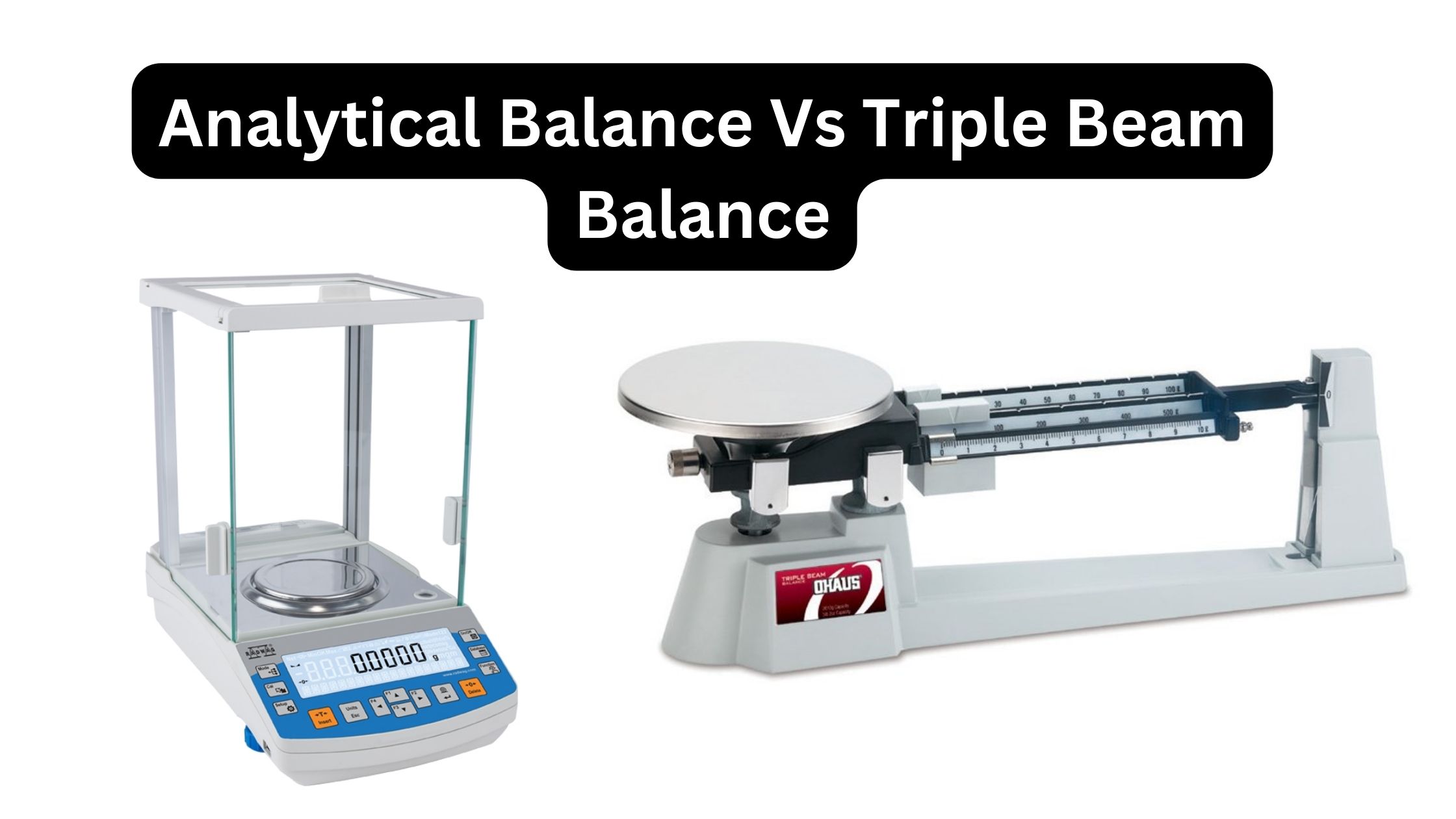
Selecting the appropriate scale type ensures you get the precision you need without frustration. Each model serves different applications.
Mechanical Body Weight Scale
This classic bathroom scale uses a lever-slider mechanism to measure up to three hundred pounds. Place it on hard flooring, adjust the base slider to the nearest increment, step on, then fine-tune with the smaller slider until the pointer rests midway between marks.
Two-Pan Balance Scale
Ideal for teaching mass concepts, these scales let you compare objects directly. The heavier side drops while the lighter side rises. When both pans equalize, the masses are equal. Great for classroom experiments with common household items.
Triple Beam Balance
The standard for school and general lab work, this model measures up to two thousand six hundred ten grams with point-one-gram precision. The middle beam handles one-hundred-gram increments, the front beam handles ten-gram increments, and the rear beam handles one-gram increments with point-one-gram marks.
Analytical Balance
Found in chemistry and pharmaceutical labs, these enclosed digital balances measure down to zero point zero zero zero one grams. Always use the draft shield, allow a thirty-minute warm-up, and calibrate frequently for best results.
Place Objects Centrally and Handle with Care
Always center objects on the pan to avoid uneven torque that skews readings, even on digital models. Dropping or sliding items can damage the pan, pivot points, or internal mechanisms.
For powders or liquids, use a weighing boat or container rather than placing substances directly on the pan. Finger oils add measurable mass, up to zero point zero zero five grams per touch.
Use tweezers or gloves when handling standard weights. This prevents contamination and ensures your reference masses remain accurate.
Adjust Riders or Weights to Achieve Equilibrium
On a Triple Beam Balance
Start with the one-hundred-gram rider on the middle beam. Slide it right until the pointer drops below zero, then move back one notch. Repeat this process with the ten-gram rider on the front beam. Finally, fine-tune with the one-gram rider on the rear beam, sliding slowly until the pointer aligns perfectly with zero.
The beam should be perfectly horizontal with the pointer centered. Any visible imbalance means your reading will be inaccurate.
On a Two-Pan Balance
Place your unknown object on one pan and add standard masses to the other until the beam levels. The total of the known masses equals your object’s mass. For example, if a baseball balances against a one-hundred-forty-five gram weight, the baseball’s mass is one hundred forty-five grams.
On a Mechanical Body Scale
Adjust the base slider to the nearest fifty or one-hundred-pound increment. Step on the scale. If the pointer rises above mid-scale, increase the base setting. Slide the fine-tuner until the pointer rests exactly midway.
Calculate your weight by adding the base setting to the slider value. A base of one hundred fifty pounds plus a slider reading of fifteen point five pounds equals one hundred sixty-five point five pounds total.
Read and Record Measurements Accurately
Reading Mechanical Scales
Read each rider position at eye level to avoid parallax error. Add the values from all beams together. If the pointer falls closer to five point six than five point seven grams, record five point six grams.
Reading Digital Displays
Wait for the stability symbol, often a circle or checkmark, before recording your measurement. Fluctuating digits indicate the reading has not settled. Write down the value immediately to prevent memory errors.
Always include units and appropriate significant figures, especially in scientific reports.
Calibrate Your Scale for Long-Term Accuracy
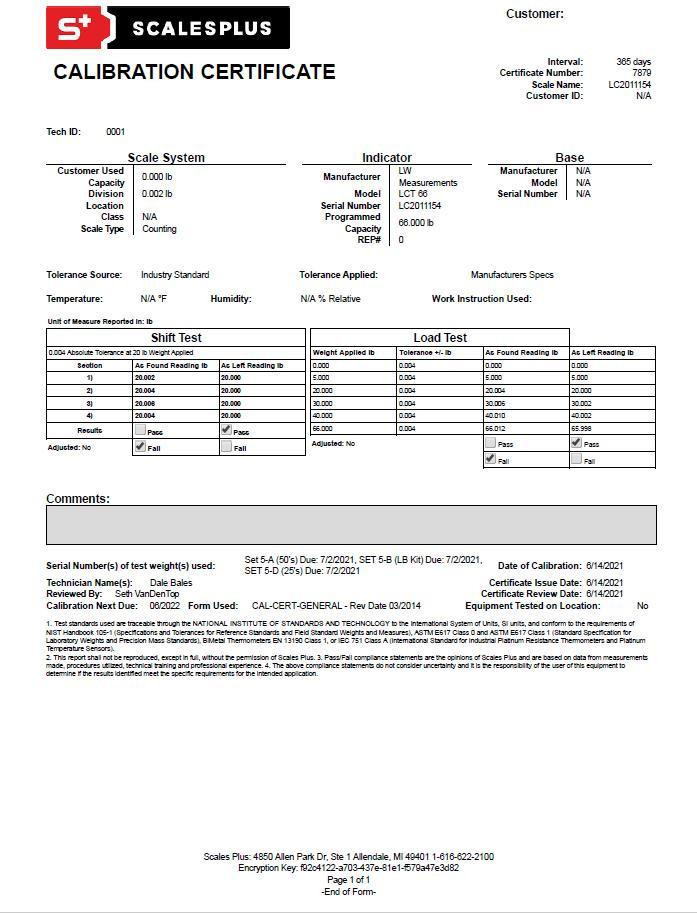
Calibration ensures your balance provides true readings. Perform calibration before critical measurements, after moving the scale, or if results seem off.
Using Standard Weights
Place a NIST-traceable weight on the pan. Check if the scale reads exactly the expected value. If not, enter calibration mode per your manual and adjust accordingly. Some digital balances feature internal calibration where a built-in weight engages automatically at the press of a button.
Calibration Frequency
Calibrate analytical balances daily, triple beam balances weekly or monthly, and body scales as needed, especially after relocation. Keep a log recording dates, weights used, and any adjustments made.
Troubleshoot Common Balance Scale Problems

Pointer Does Not Return to Zero
An unlevel surface or dirty pivot usually causes this. Re-level the scale and clean the fulcrum with a dry brush. Use the zero knob to fine-tune.
Beam Will Not Balance
Worn knife-edges or a bent beam may be the culprit. Inspect for visible damage. Do not force riders, and service the instrument if necessary.
Readings Fluctuate
Drafts or static electricity often cause unstable readings. Close draft shields and use an anti-static gun for powders.
Rider Sticks or Sliders Stuck
Debris or a bent beam typically causes this issue. Clean gently with compressed air. Do not pry the rider. Stop using the scale if it remains stuck.
Inconsistent Results
Poor handling or calibration drift usually explain variable readings. Recalibrate the instrument and retrain users on proper technique, including using tweezers for weights and centering objects on the pan.
Maintain Your Balance Scale for Durability
Daily Care
Wipe pans with a dry or slightly damp cloth. Avoid liquids near pivots or electronics. Return all riders to zero after use.
Monthly Maintenance
Inspect beams and sliders for wear. Verify leveling and perform calibration. Check for rust or corrosion, especially in humid environments.
Annual Servicing
Professional technicians should service high-precision analytical balances annually. They verify electromagnetic coil integrity, draft shield alignment, and internal calibration mechanisms.
Store your scale covered when not in use to reduce dust accumulation. Lubricate moving parts only if the manufacturer recommends it, as over-lubrication attracts dust and causes gumming.
Apply Your Balance Scale Across Different Settings
In Education
Use two-pan balances for hands-on mass comparison experiments. Teach students the rule: heavier goes down, lighter goes up, balanced means equal. Let them test predictions with common classroom items.
In Laboratories
Always close draft doors on analytical balances. Allow thirty-minute warm-up before use. Record mass to the correct number of decimal places for your precision requirements.
In Kitchens and Baking
Use beam or triple beam scales for exact ingredient measurement. Tare the bowl first, then add flour or other ingredients until balance is achieved. Precision scales are essential for recipes like sourdough bread or macarons where ratios matter.
In Jewelry and Pharmacy
Use high-precision digital balances with zero point zero zero one gram or better accuracy. Handle gemstones or medications with non-metallic tweezers. Calibrate before each session for legal and safety compliance.
Frequently Asked Questions About How to Use a Balance Scale
What is the difference between a balance scale and a regular scale?
A balance scale measures mass by comparing an unknown object to known reference weights, giving true mass that stays constant regardless of gravity. A regular scale measures weight as a force, which varies with gravitational pull.
Why does my balance scale give different readings when moved?
Moving a scale can disturb calibration, especially on mechanical models. Temperature changes during transport also affect internal components. Always re-zero and recalibrate after relocation.
Can I use a balance scale to weigh liquids?
Yes, but always use a container. Place the empty container on the pan, tare or zero the scale, then add your liquid. This gives you the exact mass of the liquid alone.
How often should I calibrate my balance scale?
Frequency depends on usage and precision requirements. Analytical balances need daily calibration. Triple beam balances used in education benefit from weekly or monthly checks. Home body scales need calibration only when readings seem off.
Why does my pointer never settle at exactly zero?
This usually indicates the scale is not level or the pivot points need cleaning. Re-level the scale and clean the fulcrum gently with a dry brush. If the problem persists, the instrument may need professional service.
Key Takeaways for Using a Balance Scale Effectively
Balance scales measure true mass by comparing objects to known weights, making them reliable across any location. Always set up on a stable, level surface and zero or tare before measuring. Choose the right scale type for your precision needs, whether a simple two-pan for teaching or an analytical balance for laboratory work.
Handle objects carefully, center them on the pan, and use tweezers for standard weights to avoid contamination. Read mechanical riders at eye level and wait for digital displays to stabilize before recording. Calibrate regularly with traceable weights and maintain your instrument through daily cleaning and annual professional servicing.
With proper technique and care, a balance scale delivers years of accurate measurements, whether you are a student learning mass concepts, a chef seeking recipe precision, or a scientist requiring microgram accuracy.