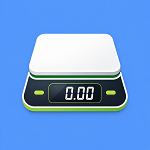
You’ve placed your ingredient on the scale, but the display reads 0:03.9—is that 3.9 ounces or less than a tenth of a pound? If you’ve ever been confused by how to read oz on a digital scale, you’re not alone. Whether you’re baking, shipping packages, tracking nutrition, or measuring precious materials, accurately interpreting ounce readings is essential. Many people misread displays, confuse weight with volume, or overlook simple settings that clarify measurements.
Understanding how to read oz on a digital scale starts with knowing your display format, using the right buttons, and avoiding common mistakes. This guide breaks down everything you need to know from switching units and using the tare function to decoding hybrid lb:oz readouts and ensuring accuracy. By the end, you’ll confidently interpret any ounce reading, avoid costly measurement errors, and get the most out of your digital scale.
Decode Your Scale’s Display Format
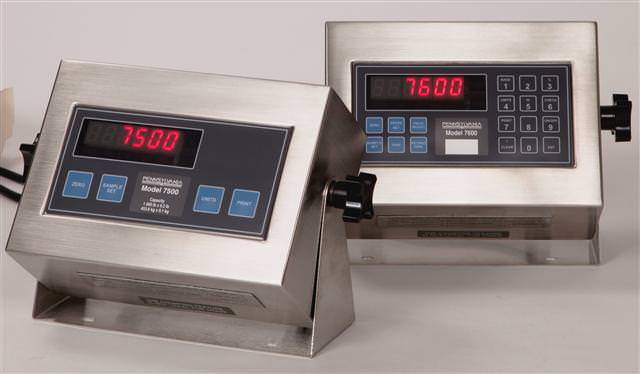
Digital scales show weight in various formats, and misunderstanding them leads to inaccurate results. The way ounces appear depends on your scale’s design and unit settings.
Pure Ounce Readings (oz)
Some scales display weight directly in ounces, often with decimal precision. This format is straightforward: what you see is what you get.
- Example:
3.9 ozmeans 3.9 ounces - High precision models show up to three decimals:
0.001 oz - Common in kitchen, jewelry, and lab scales
If your recipe calls for 4 oz of sugar and your scale shows 4.0 oz, you’re done. No conversion needed.
Pro Tip: For fine measurements like coffee or spices, use a scale with 0.01 oz or 0.001 oz resolution.
Pound-Ounce Hybrid (lb:oz)
Many digital scales use a colon-separated format like X:YY.Z. This format trips up users because it looks like a decimal at first glance.
- Format: Pounds:Ounces.Tenths
- Example:
1:12.4equals 1 pound, 12.4 ounces - The number after the colon is ounces, not decimal pounds
Here’s the key insight: 0:03.9 does not mean 0.03 pounds. It means 3.9 ounces, which is actually about 0.244 lb (since 3.9 divided by 16 equals 0.244).
Visual Cue: Look for the colon. If present, the value after it is ounces.
Decimal Pounds (lb)
Some scales show weight as decimal pounds. To convert decimal pounds to ounces, multiply by 16.
0.25 lbequals 4 oz (0.25 times 16)0.5 lbequals 8 oz1.0 lbequals 16 oz
If your scale shows 0.4 lb, don’t assume it’s 4 ounces. It’s actually 6.4 oz.
Memory Trick: 16 ounces equal 1 pound. Think “16 oz in a lb.”
Switch Units to Simplify Ounce Reading
Most digital scales let you change the unit display with a simple button press. This takes seconds and eliminates confusion.
Cycle Through Units with Mode Button
- Turn on the scale
- Press Mode or Unit repeatedly
- Watch the display cycle: g, oz, lb, ct, gn, and back to g
- Stop when oz appears
If your scale shows combined pounds and ounces as lb:oz and this confuses you, switch to pure oz or g mode for clarity.
Expert Note: Professional bakers often prefer grams for consistency and accuracy. The decimal system is cleaner and easier to read.
Why Switch to Grams?
If ounce formats feel messy, switch to grams. The system is more intuitive for precise measurements.
- 1 oz equals approximately 28.35 g
- Grams use a clean decimal system: 100.0 g is easier to read than 3.527 oz
- Ideal for international recipes or precise baking
Use Tare to Measure Net Weight in Ounces
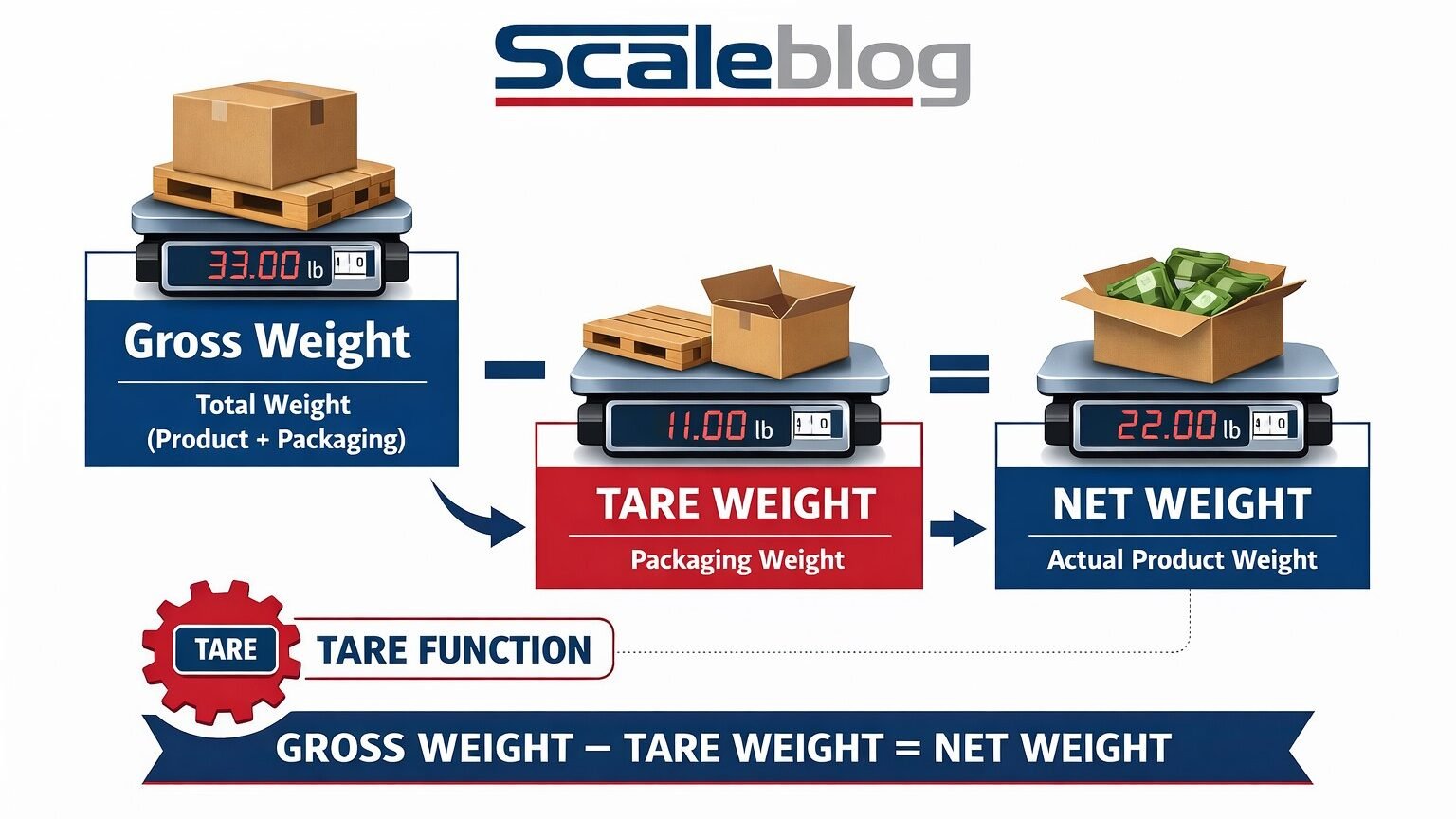
Measuring ingredients in a bowl? Use the tare function to exclude container weight. This is essential for accurate measurements.
How to Tare Correctly
- Place empty bowl on scale
- Press Tare. Display resets to 0.000 oz
- Add ingredient. The new reading is net weight only
Example: Bowl weighs 5.2 oz. After tare, adding flour shows 8.0 oz. The flour weighs 8.0 oz.
Pro Tip: Use tare to add multiple ingredients one after another. This is perfect for baking recipes with several components.
Avoid These Tare Mistakes
- Pressing tare before placing the container
- Overloading beyond scale capacity after taring
- Ignoring negative values (press tare again to reset)
Understand Scale Precision and Decimal Places
Your scale’s precision affects how finely you can read ounces. Higher precision means more decimal places.
Common Resolution Levels
| Precision | Use Case |
|---|---|
| 0.1 oz | General cooking, mailing |
| 0.01 oz | Baking, coffee, supplements |
| 0.001 oz | Jewelry, labs, powders |
A scale showing 4.000 oz can detect tiny changes. This is ideal for recipes where every fraction matters.
Fact: 0.001 oz equals approximately 0.028 grams. That’s less than a paperclip’s weight.
What to Do If Reading Fluctuates
- Wait 2 to 5 seconds for stabilization
- Avoid drafts, fans, or air vents
- Ensure scale is on a hard, level surface
- Check battery level. Low power causes drift
Calibrate for Accurate Ounce Readings
An uncalibrated scale gives false readings even if the display looks fine. Regular calibration ensures accuracy.
When to Calibrate
- First-time use
- After moving the scale
- Every 1 to 2 months with regular use
- If readings seem off
How to Check Accuracy
Weigh a known object to verify your scale is reading correctly.
| Item | Weight |
|---|---|
| U.S. Nickel | 5.0 g (approximately 0.176 oz) |
| AA Battery | approximately 23.5 g (approximately 0.83 oz) |
| Stick of Butter | 113 g (exactly 4 oz) |
Test Step: Place a stick of butter on the scale. It should read 4.0 oz or 113 g. If not, recalibrate.
Calibration Steps (General)
- Place scale on flat surface
- Turn on and wait for 0.000
- Press and hold Cal or Mode+Zero until CAL appears
- Add calibration weight (check manual for required mass)
- Wait for PASS or beep
- Done. Scale ready for use.
Warning: Never skip calibration after dropping or relocating your scale.
Avoid Common Ounce Reading Mistakes
Even experienced users make these errors. Learn to spot and avoid them.
Mistake: Reading lb:oz as Decimal Pounds
- Thinking
0:03.9equals 0.03 lb - It actually means 3.9 oz, approximately 0.244 lb
Always remember: after the colon is ounces, not hundredths.
Mistake: Confusing oz with fl oz
- Ounce (oz) measures weight
- Fluid ounce (fl oz) measures volume
They are only equal for water-like liquids. Never substitute volume for weight in baking.
Example: 1 fl oz water weighs approximately 1 oz. But 1 fl oz oil weighs approximately 0.91 oz.
Mistake: Ignoring Container Weight
Forgetting to tare adds extra ounces from bowls, bags, or packaging. This skews your measurements.
Solution: Always tare before adding contents.
Practical Uses for Ounce Measurements
Knowing how to read oz on a digital scale improves results across everyday tasks.
Cooking and Baking
- Follow recipes precisely
- Measure flour, sugar, butter in oz or g
- Use tare for multi-ingredient mixing
Tip: 1 cup all-purpose flour weighs approximately 4.25 oz. Weigh instead of scooping for accuracy.
Shipping and Mailing
- USPS and carriers charge by ounce increments
- A letter over 1 oz requires extra postage
- Accurate reading prevents underpaying or overpaying
Example: Package reads
0:13.2. That’s 13.2 oz. It needs a 2-ounce postage rate.
Health and Nutrition
- Track protein portions: chicken breast is 6 oz
- Measure snacks to avoid overeating
- Monitor daily intake with food logs
Fact: A standard steak serving is 6 to 8 oz by weight.
Jewelry and Precious Materials
- High-precision scales measure in oz, ct, or gn
- 1 oz equals 437.5 grains or approximately 141.75 carats
- Used for gold, silver, gemstones
Note: Troy ounces (used for precious metals) differ slightly: 31.1 g vs. 28.35 g. Most consumer scales use avoirdupois oz.
Convert Ounces Easily
Keep these conversions handy when switching between systems.
Quick Ounce Reference
| From oz To | Multiply By | Result |
|---|---|---|
| Grams | 28.35 | 4 oz equals 113.4 g |
| Pounds | 0.0625 | 8 oz equals 0.5 lb |
| Carats | 141.75 | 0.1 oz equals 14.175 ct |
| Grains | 437.5 | 1 oz equals 437.5 gn |
Pounds to Ounces and Back
- Pounds to oz: multiply by 16 (2 lb times 16 equals 32 oz)
- Ounces to lb: divide by 16 (24 oz divided by 16 equals 1.5 lb)
Troubleshoot Ounce Reading Issues
Fix common problems fast with these solutions.
Scale Shows 0:00.0 With Item on It
- Ensure scale is on a hard, flat surface
- Recalibrate
- Check if item exceeds maximum capacity (for example, 6.6 lb)
- Replace batteries
Reading Jumps or Fluctuates
- Wait for stabilization (3 to 5 seconds)
- Avoid placing near AC units or open windows
- Don’t touch the scale during measurement
Tare Function Not Working
- Container must be on scale before pressing tare
- Weight must be within scale’s limit
- Press and hold tare if unresponsive
Wrong Unit Displayed
- Press Mode to cycle to oz
- Some scales default to g. Change manually
- Refer to manual for unit reset steps
Negative Number After Removing Item
- Press Tare to reset to zero
- This is common after removing containers quickly
Design Features That Help Read oz Easily
Modern digital scales include smart features to improve readability.
Key Physical Traits
- LCD Display: Clear digits with decimal points
- Backlight: Read in low light (common in kitchen scales)
- Folding Platform: Compact storage, protects sensor
- Auto-Off: Saves battery. Re-zero when turned back on
Example: A 4″ by 4″ platform fits most bowls. Overall size is approximately 5″ by 4″ by 0.75″.
Power and Portability
- Uses two AAA batteries (often included)
- Auto-shutdown after 1 to 2 minutes of inactivity
- Lightweight: easy to move, store, or travel with
Bonus: Some models nest into their own case. This is ideal for kitchen drawers.
Key Takeaways for Mastering Ounce Readings
You now know how to read oz on a digital scale. Here’s how to stay accurate every time.
-
Know Your Display Type:
3.9 ozis pure ounces.0:03.9is 3.9 oz in lb:oz format.0.4 lbis 6.4 oz (multiply by 16). -
Use Mode to Simplify: Switch to oz or g if lb:oz confuses you.
-
Always Tare: Eliminate container weight for true net measurements.
-
Verify with a Known Weight: Test with a 4 oz stick of butter or nickels (5 g each).
-
Place on Solid Surface: Never use on carpet, couch, or uneven counters.
-
Replace Weak Batteries: Low power distorts readings even if the scale turns on.
-
Clean Gently: Wipe with a damp cloth, never submerge.
-
When in Doubt, Use Grams: Grams are simpler, more precise, and widely used globally.
Reading ounces on a digital scale doesn’t have to be confusing. By understanding display formats, using tare, switching units, and maintaining accuracy, you’ll measure with confidence in any situation. Whether you’re baking a cake, mailing a package, or tracking your macros, precise ounce readings make all the difference. Keep this guide handy, and never misread your scale again.
Frequently Asked Questions About Reading Ounces on a Digital Scale
Why does my scale show 0:03.9 instead of a simple number?
The colon format is a pound-ounce hybrid display. The number after the colon represents ounces, not decimal pounds. So 0:03.9 means 3.9 ounces, not 0.03 pounds. This is a common point of confusion. Switch to pure oz mode if this format bothers you.
How do I convert pounds to ounces on my digital scale?
Multiply decimal pounds by 16. For example, 0.5 lb times 16 equals 8 oz. Alternatively, most scales have a Mode button that lets you switch directly to oz display without doing math.
What’s the difference between ounces and fluid ounces?
Ounce (oz) measures weight. Fluid ounce (fl oz) measures volume. They are only interchangeable for water and similar liquids. In baking, using fluid ounces instead of weight ounces will ruin your recipe.
How accurate is my digital scale for ounce measurements?
It depends on the resolution. A 0.01 oz scale can detect changes as small as one hundredth of an ounce. For baking, 0.01 oz is sufficient. For jewelry or lab work, you need 0.001 oz resolution.
Why does my scale show a negative number after removing an item?
This happens when you remove a container without pressing Tare first. Simply press Tare again to reset the display to zero. This is normal behavior, not a malfunction.
Should I use grams or ounces for baking?
Grams are generally preferred for baking because the decimal system is cleaner and more precise. Many professional bakers use grams exclusively. However, both work if your scale is accurate and you use the tare function correctly.