Stepping on a bathroom scale seems simple until your readings swing wildly from one day to the next. If you are wondering why your weight does not match how you feel or look, the problem might not be your body. It could be how to properly stand on a scale. Small mistakes like wearing socks, stepping on carpet, or shifting your weight can lead to inaccurate results that derail your progress. In fact, daily weight can naturally vary by up to 6 pounds due to fluid, food, and bathroom habits. But when you follow the right technique, your scale becomes a reliable tool for tracking real trends over time.
This guide reveals the science-backed method for standing correctly on any type of scale, digital, analog, or smart. You will learn how surface choice, posture, timing, and even foot placement affect accuracy. Whether you are monitoring health, managing a condition, or pursuing fitness goals, mastering the proper stance ensures every reading counts. By the end, you will know exactly how to stand, when to weigh, and how to interpret your results with confidence.
Place Your Scale on Hard, Flat Surfaces Only

Never place your scale on carpet, rugs, or soft flooring. Digital scales rely on four load sensors, one at each corner, to evenly distribute and measure your weight. On a plush surface, the platform tilts slightly, causing uneven pressure and false readings. Even a small dip can throw off accuracy by several pounds. Stick to hard surfaces like tile, hardwood, or concrete. These provide stable, uniform support so all sensors engage correctly.
Avoid Carpet and Uneven Floors
Soft surfaces interfere with weight distribution across the scale sensors. When the platform sinks unevenly, the sensors cannot read pressure accurately. This leads to measurements that are either too high or too low. Hard flooring ensures the scale stays level and all four sensors work together. If you must move your scale, always check that the new surface is completely flat and firm.
Choose Tile or Wood Flooring
Tile and wood are ideal for consistent measurements. They are rigid, level, and unaffected by moisture when properly maintained. If you use the bathroom floor, wait until it is dry, especially after showers. High humidity can damage internal electronics over time. For best results, consider placing your scale in a bedroom or hallway with solid flooring and lower moisture exposure.
Recalibrate After Moving the Scale
Any movement, shifting the scale even an inch, resets its internal calibration. Always allow it to re-zero before use. Tap it lightly with your foot to power it on, then wait until the display reads 0.0. Do not step on it immediately. Pause for at least five seconds after the zero appears. This gives the scale time to adjust to temperature, air pressure, and surface alignment. Skipping this step causes drift, where readings creep up or down without reason.
Wait for 0.0 Before Stepping On
The self-zeroing feature accounts for minor environmental changes. When you move the scale, it needs to re-establish its baseline. Rushing this process introduces measurement errors. Five seconds may feel long, but it ensures accurate data. Some scales take longer to stabilize in humid or cold conditions, so adjust accordingly.
Prevent Measurement Drift
Drift happens when the scale has not reset properly. You might see inconsistent numbers even if you step on and off quickly. To avoid this, keep the scale in one spot. If you move it, treat it like starting over: power on, wait for 0.0, pause five seconds, then weigh. Consistent placement eliminates recalibration errors and keeps your data trustworthy.
Wear Minimal Clothing and Go Barefoot
:max_bytes(150000):strip_icc()/vwt-tanita-hd-384-digital-bathroom-scale-gabby-applebury-6-22169b34dd9846cdaf1f2fbef2f6d4fc.jpeg)
Shoes alone can add 2 to 3 pounds, while a jacket, phone, or wallet adds more. For accurate and repeatable results, wear the same light clothing each time, ideally underwear or sleepwear. Remove shoes, socks, belts, and empty your pockets completely. Keys, phones, and coins may seem light, but they introduce unnecessary variability. The goal is to measure your body only, not what you are carrying.
Remove Shoes, Socks, and Heavy Items
Consistency in clothing matters more than perfection. If you weigh in a t-shirt one day and a heavy sweater the next, the difference shows up in your readings. Choose one lightweight outfit and stick with it. This removes one variable from your tracking equation. Empty your pockets every single time, no exceptions.
Stand Barefoot for Best Contact
Going barefoot ensures full foot-to-platform contact. Socks reduce grip and can create tiny air gaps, interfering with sensor response. On smart scales using bioimpedance for body fat analysis, bare feet are essential. The small electrical signal passes through your body more accurately without fabric insulation. Always step on with clean, dry feet for safety and precision.
Weigh Yourself at the Same Time Daily
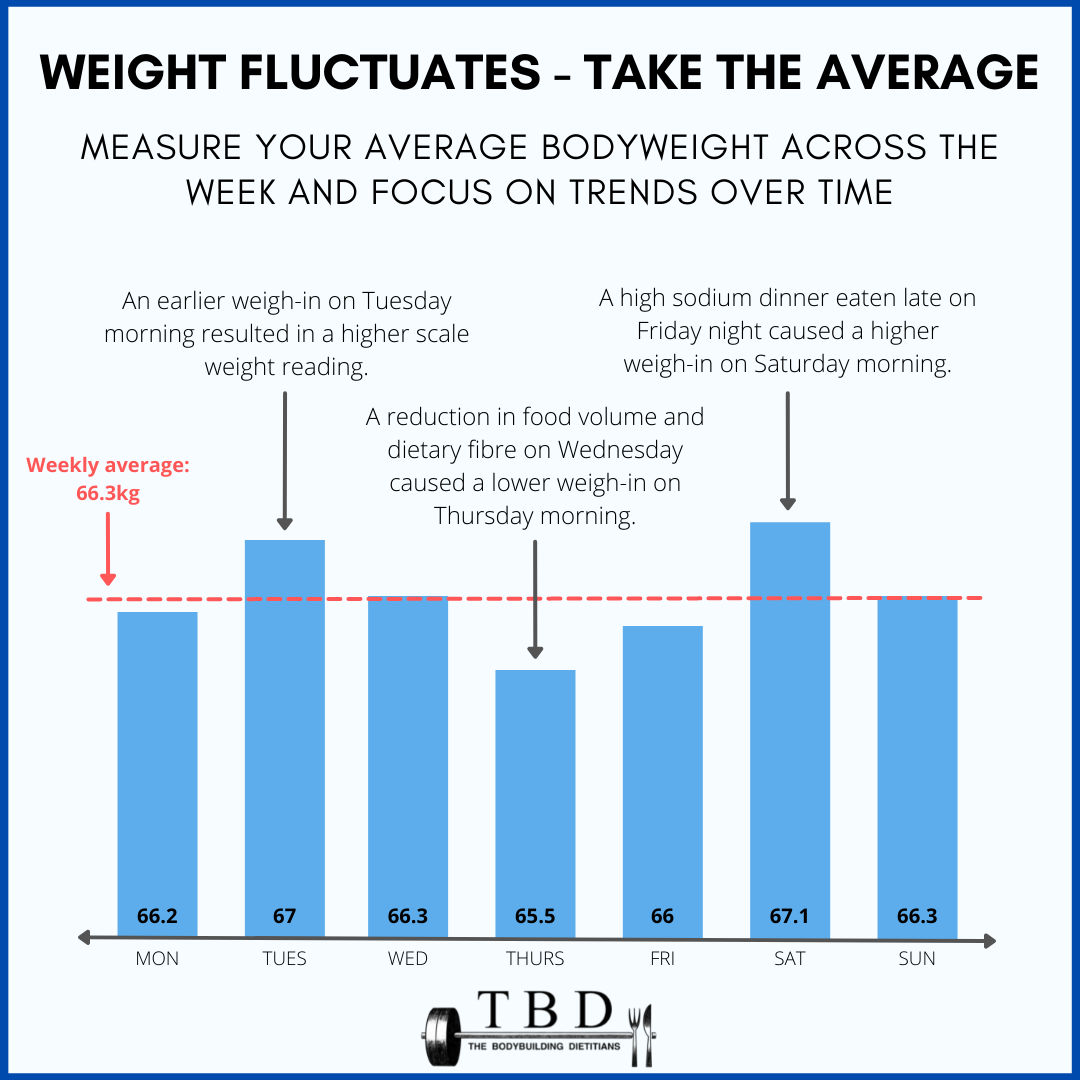
Your weight changes dramatically throughout the day. Food, drink, and fluid retention cause natural swings. For the most consistent baseline, weigh yourself first thing in the morning, after using the bathroom but before eating or drinking. A full bladder can hold up to 2.2 pounds of urine, skewing results. Doing it daily at the same time smooths out these variables and reveals true trends.
Measure First Thing in the Morning
Morning weighing provides the most stable baseline. Your body has had hours to process food, sweat out excess fluid, and eliminate waste. This is when you are closest to your true baseline weight. After sleeping, you are also less likely to have consumed anything that adds weight temporarily.
Skip Post-Meal or Post-Workout Weigh-Ins
Avoid stepping on the scale right after meals, workouts, or drinking water. Digestion, sweat loss, and hydration levels distort readings. You might gain or lose a few pounds temporarily, but it is not fat or muscle change. It is fluid. Wait until the next morning to get a fair comparison. Consistency beats frequency. Once a day at the same time beats random checks.
Stand Straight, Still, and Centered
Posture matters. Stand upright with your back straight, shoulders relaxed, and arms hanging naturally at your sides. Do not hunch, lean forward, or cross your arms. Imagine holding a static yoga pose, balanced and motionless. Any shift in center of gravity affects how weight distributes across the sensors. Even subtle movements create fluctuating numbers that make it hard to read the true value.
Keep Back Straight and Arms at Sides
Your body position directly affects how weight spreads across the four sensors. Leaning forward puts more pressure on the front sensors. Leaning back does the opposite. Arms crossed or held out changes your center of gravity. Keep everything neutral and relaxed for the most accurate reading.
Distribute Weight Evenly on Both Feet
Place both feet flat and fully on the scale. Do not shift weight from side to side, rock back and forth, or bend your knees. Movement disrupts sensor stability and delays or corrupts the final reading. Stay completely still until the number locks in, usually within 2 to 5 seconds. If the display flickers or jumps, you are likely swaying. Practice standing like a statue for best results.
Center Your Feet Shoulder-Width Apart
Position your feet centrally on the platform, parallel to each other and about shoulder-width apart. Most scales are factory-calibrated with weights placed in the center. Standing too far forward, backward, or to one side throws off balance and leads to inaccurate measurements. Avoid crowding toes near edges or letting heels hang off.
Align Feet Parallel and Balanced
Feet should face forward, not turned outward or inward. The parallel position matches how the scale was designed to measure. This ensures even pressure distribution across all four sensors. When feet are misaligned, the reading reflects an unnatural weight distribution rather than your true body mass.
Use Withings Position Control Feedback
If you own a Withings smart scale, take advantage of Position Control, a unique feature that detects improper stance. Arrows appear in the corners of the display to guide you. The bottom left arrow means move left foot toward center. The top right arrow means adjust right foot inward. The arrows disappear only when your feet are correctly positioned. Measurement begins automatically once balance is confirmed. No other brand offers real-time visual feedback, making Withings a top choice for precision.
Follow the Step-by-Step Weighing Process
Different scale types require slightly different techniques. Understanding these differences helps you get the most accurate reading possible every time.
Digital Scale: Wait for Stable Reading
Place the scale on a hard, flat surface. Tap to wake and wait for 0.0, then pause 5 seconds. Step on barefoot with feet centered and still. Hold position until the number stops changing, which takes 2 to 5 seconds. Record the final value. Most digital scales hold the reading for several seconds. Use that time to note it down. Avoid stepping off too quickly before the number locks.
Analog Scale: Let Dial Settle Completely
Step onto the platform and wait for the dial to stop spinning. Do not read while it is moving. Check where the hand points once fully settled. Estimate between marks if needed, for example halfway between 150 and 155 equals approximately 152.5 pounds. Analog scales take longer to stabilize and lack precision. They are also more prone to misalignment if dropped or placed on soft surfaces.
Smart Scales: Confirm Data Transmission
On cellular-enabled models used in remote patient monitoring, ensure signal strength is adequate. Look for the signal icon. If weak, move the scale near a window or outer wall. After weighing, the scale blinks twice to transmit data. An OK message confirms successful upload. If no confirmation appears, contact support. These devices are often used for chronic conditions like heart failure or diabetes, where accurate, timely data is critical.
Accept Daily Fluctuations and Track Weekly Trends
Do not panic over a sudden 3 to 5 pound jump. Daily fluctuations of up to 6 pounds are normal due to fluid retention, salt intake, hormonal changes, and bowel and bladder content. A single number does not reflect fat gain or loss. Instead, focus on patterns over time. Your body is dynamic. Your tracking method should be too.
Understand Normal Weight Variance
Several factors cause daily swings. Water retention from high-sodium meals adds temporary weight. Hormonal cycles, especially in women, affect fluid balance. A large meal or full bladder adds weight that has nothing to do with fat. Understanding this helps you avoid emotional reactions to normal variations.
Calculate Weekly Averages
For a clearer picture, weigh every morning under the same conditions. At week’s end, calculate the average of seven readings. Compare weekly averages to see real progress. This approach smooths out daily noise and prevents emotional reactions to temporary spikes or dips. Progress is not linear. Consistency is what matters.
Maintain Your Scale and Test Accuracy
Wipe the platform weekly with a dry or slightly damp cloth. Never soak or clean with harsh chemicals. Keep it in a dry, temperature-stable area. Extreme heat or cold affects sensor performance. Store upright or flat, never tilted or stacked under heavy objects.
Clean and Store Properly
Dust and debris can interfere with sensor operation. A quick wipe keeps the platform clean. Moisture is the enemy of electronics, so keep the scale dry. Avoid storing it near bathrooms where steam accumulates. A bedroom closet or drawer works well for most households.
Replace Batteries Promptly
Most digital scales use four AA batteries. When the display dims, flickers, or fails to turn on, replace them immediately. Use high-quality alkaline batteries and observe polarity markings. Low power can cause incomplete readings or failed startups. Keep a spare set on hand so you are never caught without a working scale.
Verify Accuracy Regularly
Check your scale reliability with simple tests. Use a known weight like a dumbbell or calibrated weight. Perform a repeatability test by stepping on and off three times in a row. Readings should vary by less than 0.5 pounds if accurate. Cross-check results on another scale under identical conditions. If readings differ significantly, recalibrate, clean sensors, or replace the device.
Optimize Your Scale Routine for Your Goals
Different users have different needs. Tailoring your approach ensures the best results for your specific situation.
Home Users: Prioritize Routine and Consistency
If you are tracking general health or fitness, weigh daily at the same time. Wear the same light clothing. Use a hard floor and go barefoot. Focus on weekly trends rather than daily numbers. Consistency reduces measurement noise and makes your data meaningful.
Medical Users: Ensure Data Accuracy and Transmission
For remote patient monitoring, use a scale with cellular connectivity. Confirm the OK message after each weigh-in. Keep the device in a strong signal area. Contact support promptly if transmission fails. These scales help manage conditions like heart failure, where sudden weight gain signals fluid buildup. Precision and reliability are non-negotiable.
Athletes: Combine Metrics for Full Insight
Fitness enthusiasts should go beyond weight. Use smart scales with bioimpedance analysis to track body fat percentage, muscle mass, and water weight. Remember that hydration affects bioimpedance. Weigh under consistent conditions, same time and same hydration level, for valid comparisons.
Frequently Asked Questions About Standing on a Scale
Does it matter where I place my feet on the scale?
Yes, foot placement significantly affects accuracy. Position your feet centrally on the platform, parallel and shoulder-width apart. Most scales are factory-calibrated with weights placed in the center. Standing too far forward, backward, or to one side throws off balance and leads to inaccurate measurements.
Should I weigh myself with or without clothes?
Weigh yourself in minimal, light clothing for the most consistent results. Ideally, wear the same outfit each time, such as underwear or sleepwear. Remove shoes, socks, and empty your pockets completely. Even small items like keys or phones can add weight and create unnecessary variability.
Why does my weight fluctuate so much daily?
Daily fluctuations of up to 6 pounds are completely normal. Factors include fluid retention, salt intake, hormonal changes, and bowel or bladder content. A single reading does not reflect fat gain or loss. Focus on weekly trends rather than daily numbers to see true progress.
What is the best time of day to weigh myself?
Weigh yourself first thing in the morning, after using the bathroom but before eating or drinking. This provides the most consistent baseline because your body has had hours to process food and eliminate waste. Weighing at the same time daily eliminates time-of-day variables.
How do I know if my scale is accurate?
Verify accuracy by weighing a known object like a dumbbell. Perform a repeatability test by stepping on and off three times. Readings should vary by less than 0.5 pounds if accurate. Cross-check results on another scale under identical conditions. Replace batteries if the display dims or flickers.
Can I use my scale on carpet?
Never place your scale on carpet, rugs, or soft flooring. Digital scales use four load sensors at each corner. On soft surfaces, the platform tilts slightly, causing uneven pressure and false readings. Always use a hard, flat surface like tile, hardwood, or concrete.
Key Takeaways for Getting Accurate Scale Readings
Proper scale use is not about perfection. It is about consistency. By standing barefoot on a hard floor, standing still and centered, and weighing at the same time daily, you turn your scale into a trustworthy health partner. Accept natural fluctuations as part of the process. Your body weight changes constantly due to fluid, food, and digestion. Tracking weekly averages reveals true trends while daily noise fades into the background.
The most critical factors are surface, posture, and timing. Always use a hard, flat surface and recalibrate after moving the scale. Stand straight, still, and centered with feet shoulder-width apart. Weigh first thing in the morning in minimal clothing. These simple habits eliminate most measurement errors.
For smart scale users, take advantage of features like Position Control for real-time feedback. Confirm data transmission after each weigh-in, especially for medical monitoring. Regular maintenance, including battery replacement and cleaning, keeps your device accurate.
Let data guide your journey, not daily surprises. Focus on patterns over weeks and months rather than reacting to temporary spikes or dips. Consistency in how you stand on the scale matters more than achieving the perfect number. Your health goals are better served by reliable trends than by chasing one fluctuating reading.