You’ve upgraded to a new digital scale or your old bathroom scale finally gave out. Now what? Tossing it in the trash might seem easy, but learning how to dispose of weight scale properly is important. Weight scales—especially electronic ones—require careful disposal to protect the environment, avoid safety risks, and safeguard your personal data. Millions of electronic scales end up in landfills each year, contributing to growing e-waste problems. The good news? With the right steps, you can dispose of your weight scale responsibly, whether it is still working or beyond repair.
This guide covers everything you need to know about how to dispose of a weight scale the right way. From donating functional models to recycling broken digital units and handling smart scale data, we will walk you through safe, eco-friendly options based on your scale type. You will also learn why batteries must be removed, where to find local drop-off points, and how industrial scales differ in disposal requirements.
Recycle Broken Digital Scales

Electronic weight scales contain circuit boards, sensors, and internal wiring that classify them as electronic waste. When damaged or no longer functional, these devices must not be thrown in regular trash or curbside recycling bins.
Why E-Waste Recycling Is Required
Digital bathroom, kitchen, and luggage scales use electronic components that can release hazardous materials like lead, mercury, and cadmium if incinerated or buried in landfills. These toxins can leach into soil and water, posing long-term environmental and health risks. Additionally, intact lithium or alkaline batteries inside the scale can overheat and cause fires during waste processing. Recycling ensures safe recovery of metals and plastics while preventing pollution and equipment damage at sorting facilities.
Find Local E-Waste Drop-Off Points
Most cities offer free electronics recycling through municipal Eco Centres, Household Hazardous Waste facilities, and scheduled e-waste collection events. Check your city is waste management website for approved drop-off locations. Many accept battery-powered scales year-round at no charge. Just bring the device separately from general garbage to avoid fees.
Call ahead to confirm acceptance. Some centers exclude small appliances, but most include personal electronic scales.
Donate or Sell Working Scales
If your scale still powers on and provides accurate readings, consider reuse before disposal. Extending its life reduces waste and helps others in need.
Give to Friends or Family
A reliable digital or mechanical scale makes a practical gift. Before handing it over, test accuracy with a known weight, clean the surface thoroughly, and remove any stuck debris from edges or sensors. Ensure the recipient knows how to operate it, especially if it is a smart model with app connectivity.
List on Online Marketplaces
Functional scales sell quickly on platforms like Facebook Marketplace, Craigslist, Nextdoor, Freecycle, and eBay for higher-end or specialty models. Include clear photos, mention battery type, and disclose any minor flaws. For smart scales, emphasize that data has been wiped before listing.
Never include batteries in shipped scales. Remove them before packaging.
Remove Batteries Before Disposal
Every electronic scale uses batteries, usually AAA, AA, or coin-cell types. These must be removed before recycling or donating the device.
Prevent Fire and Pollution Risks
Loose batteries in e-waste can short-circuit, overheat, or leak corrosive chemicals. Alkaline batteries may rupture under pressure, while lithium types pose fire hazards in transport and processing. Removing batteries protects workers, prevents equipment damage, and allows proper material recovery.
Recycle Batteries Separately
Take used batteries to designated collection points such as Best Buy, Staples, Home Depot, or Call2Recycle drop-off bins. Many retail stores accept household batteries for free. Seal ends with tape if leaking is suspected.
Some municipalities allow alkaline batteries in regular trash, but recycling is always the safer, greener choice.
Wipe Data from Smart Scales
Modern Bluetooth or Wi-Fi-enabled scales store personal health metrics like body weight, body fat percentage, BMI, and user profiles. If not erased, this data could be accessed by others.
Perform a Factory Reset
Before disposal, reset your smart scale to delete all stored information. Steps vary by brand, but general process includes opening the paired app, locating your device in settings, selecting remove or unpair, and on the scale holding the power button or specific key combo. For example, Withings Body+ scales require pressing and holding the setup button for 10 seconds until rSt appears.
If you no longer have access to the app, perform a hard reset using manufacturer instructions, often found online via model number search.
Confirm Data Deletion
After resetting, try stepping on the scale. It should prompt for new user setup. Verify the app no longer syncs data and remove the device from your phone is Bluetooth list. This ensures full privacy protection.
Handle Manual Scales Differently
Non-electronic, mechanical scales often analog dial types do not contain circuitry or batteries, so their disposal rules are simpler.
Can You Trash a Manual Scale
Yes, in most cases. Since they are typically made of steel, plastic, or a combination, mechanical scales can go in general waste unless local regulations prohibit it. However, check municipal guidelines. Some cities require metal-only items to be taken to scrap metal recyclers. Consider donating if functional, as vintage-style scales are popular in thrift stores.
If it does not use batteries or have a digital display, it is not e-waste.
Use Retailer Take-Back Programs
Some electronics retailers offer recycling services for small appliances, including weight scales.
Best Buy Electronics Recycling
Best Buy accepts a wide range of e-waste, including digital bathroom scales, kitchen scales, and smart health devices. Limits include up to 3 items per household per day and no large appliances. Drop-off is free at most U.S. locations.
Other retailers like Staples and Office Depot also accept small electronics, though availability varies.
Even without a purchase, you can recycle old devices at these stores. Just bring them in during business hours.
Check Municipal Recycling Rules
Local waste policies determine exactly where and how you can dispose of a weight scale.
Search Your City is E-Waste Policy
Visit your municipality is official website and search for electronics recycling, household hazardous waste, or e-waste drop-off. You will find accepted items list, facility addresses and hours, and special event schedules like annual e-waste drives.
Bookmark your local waste authority page for future reference. Rules change, and new drop-offs may open.
Manage Industrial Scale Disposal

Businesses using platform, bench, or counting scales in warehouses, recycling plants, or manufacturing face different disposal challenges.
Contact Manufacturer for Decommissioning
Large digital industrial scales contain load cells, stainless steel components, and complex circuitry. Arlyn Scales and similar suppliers often provide end-of-life support, including on-site deconstruction, metal recovery services, and certified e-waste handling. Reach out before dismantling to ensure compliance with environmental regulations.
Prioritize Maintenance to Delay Replacement
Industrial scales built with stainless steel load sensors, zinc-rich epoxy coatings, and remote monitoring software can last decades with proper care. Regular calibration and cleaning reduce wear and extend service life, lowering disposal frequency and environmental impact.
Invest in durable models to minimize long-term waste.
Quick Reference Disposal Guide
Use this summary table to choose the best method based on your scale type and condition.
| Scale Type | Condition | Recommended Disposal Method |
|---|---|---|
| Digital bathroom scale | Working | Donate, sell, or reuse |
| Kitchen scale | Working | Give away or resell online |
| Luggage scale | Broken | Take to electronics recycling drop-off |
| Manual non-electric scale | Any | May be disposed in general waste check local rules |
| Smart Bluetooth-enabled scale | Any | Factory reset first, then recycle |
| Industrial platform scale | End-of-life | Contact manufacturer or certified e-waste handler |
Frequently Asked Questions About Disposing of a Weight Scale
Can I throw a broken digital scale in my curbside recycling bin?
No. Electronic scales must not be placed in curbside recycling bins. They can damage sorting equipment at recycling facilities. Instead, take broken digital scales to a designated e-waste drop-off center or Household Hazardous Waste facility.
Where can I recycle batteries from my old scale?
Remove batteries first, then take them to battery recycling points at Best Buy, Staples, Home Depot, or Call2Recycle drop-off bins. Many retail stores accept household batteries for free.
Do I need to wipe data from my smart scale before disposing of it?
Yes. Smart scales store personal health data like weight, body fat percentage, BMI, and user profiles. Perform a factory reset using the manufacturer instructions before disposal to protect your privacy.
Can I donate a working bathroom scale?
Absolutely. Functional scales can be donated to friends, family, or listed on platforms like Facebook Marketplace, Craigslist, Nextdoor, or Freecycle. Just test accuracy and clean the scale before passing it on.
How do I dispose of a manual analog scale?
Manual scales without batteries or electronic components can typically go in general trash. Check your local municipal guidelines, as some areas require metal items to be taken to scrap metal recyclers.
Key Takeaways for Responsible Weight Scale Disposal
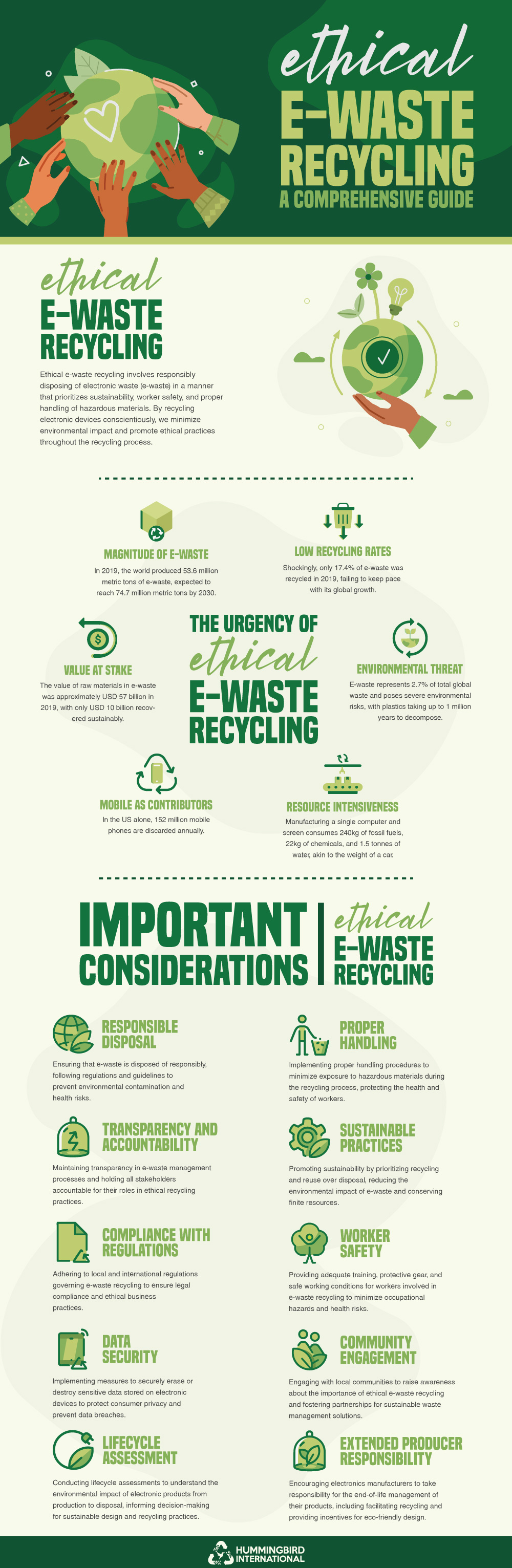
Disposing of a weight scale responsibly takes just a few extra minutes but makes a lasting difference. By recycling e-waste, removing batteries, wiping data, and reusing functional units, you help reduce pollution, prevent fires, and protect privacy. Remember that all battery-powered electronic scales, including bathroom, kitchen, and luggage scales, should be taken to electronics recycling centers when broken. Never place electronic scales in curbside recycling bins. Always remove batteries and recycle them separately. Wipe personal data from smart scales before disposal. Reusable scales should be redirected through gifting, donation, or online marketplaces. Whether it is a 20 dollar bathroom scale or a heavy-duty industrial model, every device deserves an eco-smart end-of-life plan. Start today. Your planet, and your data, will thank you.