If you’ve ever searched “how tall is 1/6 scale,” you’re likely a collector exploring premium action figures or comparing brands like Hot Toys and Sideshow. A 1/6 scale figure stands approximately 12 inches (30.5 cm) tall on average, representing one-sixth the size of a real person around 6 feet (183 cm). This makes it the gold standard for detailed, movie-accurate collectibles that balance realism with manageable display space.
But here’s what many collectors discover: not all 1/6 scale figures measure exactly 12 inches. Heights typically range from 11 to 13 inches (28–33 cm) depending on the manufacturer, character design, and body proportions. Some figures depict shorter characters or use stylized anatomy, which affects the final size. This guide walks you through exactly how 1/6 scale works, how to calculate real-world equivalents, which brands to trust, and how to avoid common mistakes when building your collection.
Standard Height: The 12-Inch Benchmark
The 12-inch (30.5 cm) height serves as the industry standard for 1/6 scale figures, derived from dividing a 72-inch (6-foot) adult by six. This measurement represents the baseline most manufacturers aim for, particularly for male characters in movies, comics, and military themes. When Hot Toys or Sideshow labels a figure as 1:6 scale, they’re typically targeting this 12-inch mark to ensure consistency across their product lines and compatibility with accessories.
This size strikes a practical balance. It’s large enough to display intricate facial details, fabric clothing, and complex armor while remaining compact enough to fit on standard shelves. For fans of Marvel, Star Wars, or DC Universes, this means seeing every stitch on a superhero suit or the subtle expression in hand-painted eyes—details that smaller scales simply cannot deliver.
The 12-inch benchmark also ensures that accessories like weapons, furniture, and vehicles remain proportionally accurate across different character releases. A 1/6 scale motorcycle will appropriately complement a 12-inch rider, creating cohesive dioramas without awkward size mismatches.
How to Calculate Real-World Height

Understanding the math behind 1/6 scale helps you verify measurements and plan custom builds. To find what real-world height a figure represents, multiply its height by six.
Height conversion examples:
– 12-inch figure × 6 = 72 inches (6 feet / 183 cm)
– 11.5-inch figure × 6 = 69 inches (5’9″ / 175 cm)
– 10-inch figure × 6 = 60 inches (5 feet / 152 cm)
This formula works in reverse too. If you know a real person’s height—say, 180 cm (5’11”)—divide by six to get the scaled model size: 30 cm (11.8 inches). This calculation ensures accuracy whether you’re verifying a product listing or building a custom figure of someone specific.
Always measure figures yourself rather than relying solely on marketing descriptions. Some manufacturers include the base in their height specifications, while others list figure-only dimensions. This distinction matters significantly when planning display arrangements.
Brand-Specific Size Variations
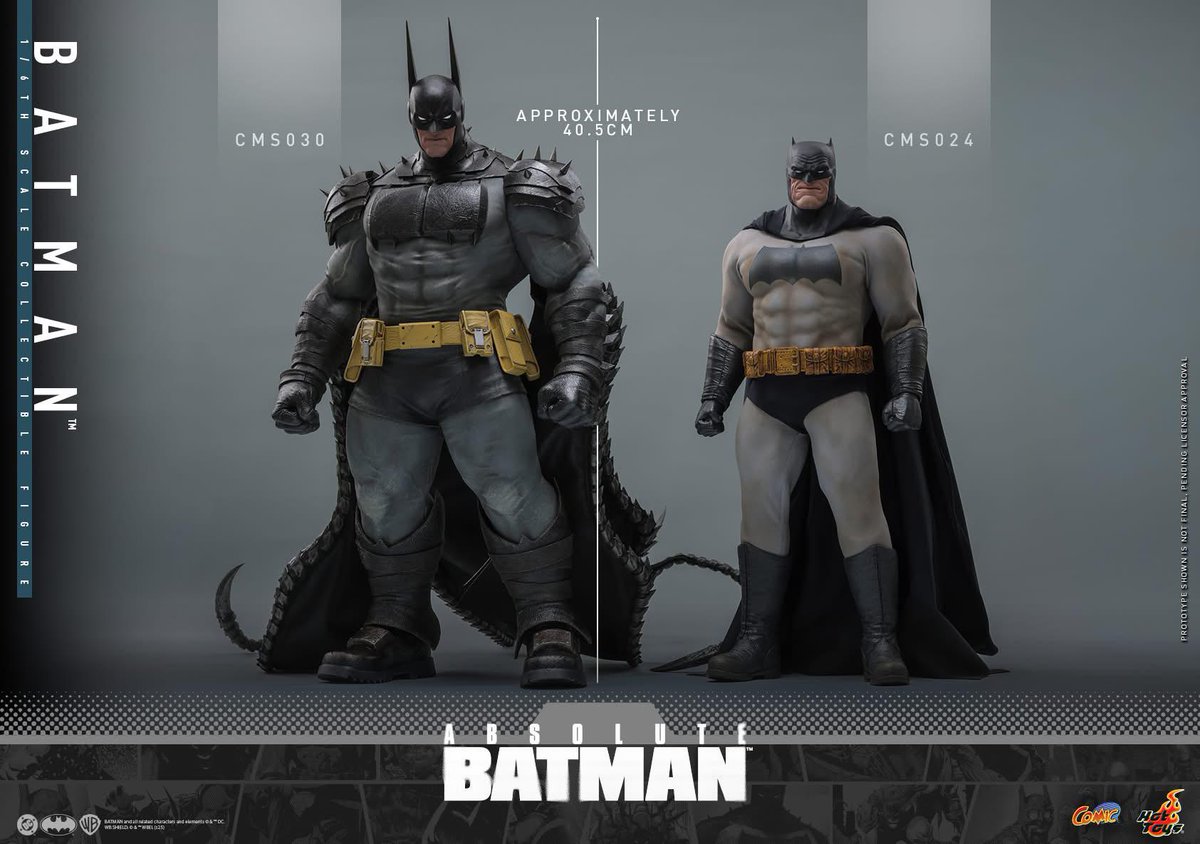
Hot Toys: Premium Precision
Hot Toys maintains impressive size consistency across its premium movie-accurate figures. Most fall within 11.5 to 12.5 inches, aligning closely with the 12-inch standard. Their attention to proportion ensures that characters like Iron Man, Captain America, and Darth Vader appear visually cohesive when displayed together, even when sculpted from different molds.
However, armor and pose can affect measured height. A helmet with a crest or a figure in a crouched pose may measure shorter vertically. Always check product specifications for “height including base” versus “figure only” to avoid display surprises.
Barbie and G.I. Joe: The Original Standard
The 1:6 scale tradition traces back to Barbie, introduced at 11.5 inches (29 cm)—slightly under the 12-inch benchmark. Despite this, she became the de facto standard for fashion dolls and inspired the term “Playscale” used in collector communities. Hasbro followed with G.I. Joe, adopting similar dimensions but marketing toward military and adventure themes.
Because of this historical origin, some vintage or fashion-focused 1:6 figures run shorter than modern action figures. Collectors often call these “true Playscale” and appreciate them for historical significance and outfit compatibility with contemporary releases.
Independent Brands: Creative Flexibility
Smaller manufacturers like INART, Asmus Toys, and Soosootoys sometimes deviate from strict proportions. For example:
– Asmus Toys Toji Fushiguro (Jujutsu Kaisen): approximately 11.8 inches
– INART T-800 Endoskeleton: approximately 12.2 inches
– Little Fee figures: as small as 10 inches (scaled to 5-foot characters)
These variations reflect creative liberties in sculpting or intentional stylization. While still marketed as 1:6, they may not interchange parts seamlessly with other brands. Always cross-check exact dimensions before mixing figures from different manufacturers.
Comparing 1:6 to Other Collectible Scales

Understanding how 1:6 fits among other popular scales helps you plan displays and avoid mismatched groupings.
Scale comparison guide:
| Scale | Typical Height | Real Equivalent | Best For |
|---|---|---|---|
| 1:20 | 3-6 inches | 5-10 feet | Vehicles, creatures |
| 1:12 | ~6 inches | ~6 feet | Budget action figures |
| 1:10 | 7-9 inches | ~6 feet | Entry-level statues |
| 1:6 | 11-13 inches | 5’6″-6’0″ | Premium collectibles |
| 1:4 | 18-24 inches | ~6 feet | Centerpiece displays |
| 1:3 | 24-36 inches | ~6 feet | Large statues |
Remember: the smaller the second number in the ratio, the larger the figure. This means 1:4 is larger than 1:6, which is larger than 1:12.
The 1:6 scale offers a unique sweet spot. Unlike 1:12 figures, which sacrifice detail for affordability, or massive 1:4 statues that dominate space, 1:6 delivers rich detail with a manageable footprint. A single shelf can hold a full team of 1:6 heroes, while the same space might fit only one 1:4 statue.
Common Misconceptions Clarified
“All 1:6 Figures Measure Exactly 12 Inches”
This is false. While 12 inches serves as the reference point, actual figures vary significantly. A child character scaled to 4’6″ results in a 9-inch figure—still 1:6 scale, but noticeably smaller. Similarly, muscular builds or high-heeled boots can add height. Always verify measurements before assuming uniformity.
“Scale and Pose Don’t Affect Display Size”
A figure in a dynamic pose—like leaping or kneeling—may have shorter vertical height but extend further horizontally. A crouching character might measure 10 inches tall but stretch 14 inches wide. Base size also matters: elaborate diorama platforms can double the required display footprint.
“1:6 Means Life-Like Proportions”
Not always. Anime or superhero figures often feature exaggerated heads, broad shoulders, or oversized weapons, distorting realistic ratios. The scale is mathematically accurate, but artistic stylization changes how it appears. For true realism, look for “movie-accurate” or “realistic portraiture” labeling.
Top Manufacturers and Product Examples
Several brands dominate the 1:6 collecting space, each bringing unique strengths:
Leading brands:
– Hot Toys: Best for film-accurate likenesses, LED features, and premium materials
– Sideshow Collectibles: Offers exclusive editions and collaborates with Hot Toys for global distribution
– ThreeZero: Merges mechanical design with anime aesthetics, ideal for cyberpunk themes
– Asmus Toys: Specializes in anime and gaming adaptations with dynamic articulation
– FigZero and INART: Deliver high-quality licensed figures at competitive prices
Notable product heights:
– Hot Toys Iron Man Mark III: 12.2 inches
– Sideshow Wonder Woman: 12 inches
– Asmus Toys Toji Fushiguro: 11.8 inches
– FigZero Red Power Ranger: 12 inches
– INART T-800 Endoskeleton: 12.4 inches
These slight differences rarely impact display harmony, but they matter for part swapping or diorama building projects.
Why 1:6 Scale Dominates Premium Collecting
Unmatched Detail and Realism
At 12 inches, there’s sufficient surface area for micro-sculpting, hand-painted eyes, and fabric costumes. You can see stitching on jackets, texture on boots, and individual strands in hairpieces. Smaller scales compress these details, making them hard to appreciate without magnification.
LED lighting represents another hallmark of 1:6 figures. From glowing eyes (like Bane or Vision) to illuminated arc reactors (Iron Man), the size allows internal wiring and battery compartments—features impossible in 1:12 or smaller scales.
Strong Customization Potential
Thanks to standardized male body platforms, many 1:6 figures share compatible parts. A Hot Toys head might fit on an Asmus body. Aftermarket companies produce universal hands, armor upgrades, and LED kits, letting collectors personalize builds. This interoperability fuels a vibrant modification community.
Space-Efficient Display
A typical 1:6 figure requires 6-8 inches of shelf depth and width, including base. That means a standard bookshelf can hold 6-8 figures in a single row. Compare that to a 1:4 statue, which might occupy the same space as three 1:6 figures—and costs significantly more.
Budget and Investment Considerations
1:6 figures typically cost $150 to $350 for standard releases. Limited editions, complex builds, or premium licenses can push prices to $500 or more.
Price examples:
– Hot Toys Deadpool: approximately $280
– INART T-800 Endoskeleton: approximately $560
– Asmus Toys Toji Fushiguro: approximately $235
– FigZero Red Power Ranger: approximately $190
While more expensive than 1:12 figures ($60-$100), 1:6 offers better longevity, stronger resale value, and superior visual impact. For serious collectors, these figures become centerpieces rather than casual purchases.
How to Determine Unknown Scales
If you inherit or buy a figure without scale information:
- Measure the height in inches or centimeters
- Multiply by 6
- Check if the result represents a realistic human height
Example:
– 13 inches × 6 = 78 inches (6’6″) — possible for a tall character
– 13 × 4 = 52 inches (4’4″) — more plausible for a teen — likely 1:4 scale
Repeat with other denominators (4, 3, 2) to confirm the correct scale.
Watch for base inclusion in measurements. A “13-inch figure” might actually be 11 inches of figure plus a 2-inch base. Always look for “figure only” specifications in product descriptions.
Frequently Asked Questions About 1/6 Scale
What is the standard height of a 1/6 scale figure?
The standard height is approximately 12 inches (30.5 cm), based on scaling down a 6-foot (72-inch) adult. However, actual measurements typically range from 11 to 13 inches depending on the manufacturer and character design.
How do I calculate what height a 1/6 figure represents?
Multiply the figure’s height by six. For example, an 11.5-inch figure represents a 69-inch (5’9″) person. This formula works in reverse: divide a real person’s height by six to find the scaled model size.
Are all 1/6 scale figures exactly 12 inches tall?
No. While 12 inches is the benchmark, variations exist. Child characters may be smaller, while figures with high heels or bulky armor may measure taller. Always check specific product dimensions rather than assuming uniformity.
Which brands make the best 1/6 scale figures?
Hot Toys leads the market for movie-accurate figures. Sideshow offers exclusive editions. ThreeZero excels in anime and sci-fi themes. Asmus Toys specializes in gaming and anime adaptations. Each brand has distinct strengths depending on your collecting interests.
Can I mix 1/6 figures from different brands?
Yes, but with caution. Many brands use similar body molds, enabling part swapping. However, head scales or foot sizes may differ. Test fits before making permanent modifications. For best results, stick to figures from the same gender and build type.
Is 1/6 scale worth the investment?
For serious collectors, yes. These figures offer unmatched detail, strong display presence, and part compatibility. They appreciate in value over time, especially limited editions. Beginners should start with one or two pieces to test their commitment before expanding.
Key Takeaways for Understanding 1/6 Scale Height
Understanding how tall is 1/6 scale goes beyond a simple number. It’s about proportion, brand consistency, and display planning. The standard 12-inch height provides the perfect balance between detailed craftsmanship and manageable display space, making it the preferred scale for premium collectibles.
Remember these critical points: actual heights range from 11 to 13 inches depending on manufacturer and character design. Always verify measurements rather than relying on scale labels alone. Consider pose and base inclusion when planning displays. Brands like Hot Toys offer excellent consistency, while independent manufacturers may require extra verification.
For collectors ready to invest in high-quality figures, 1:6 scale delivers unparalleled detail, customization potential, and visual impact. Start with one figure from a major brand, verify the exact dimensions, and expand your collection thoughtfully from there.