If you’ve stepped on your bathroom scale only to get wildly different readings two days in a row, or watched your kitchen scale suddenly stop responding after a minor spill, you’ve likely wondered, how long does scale last? The answer isn’t one-size-fits-all. A high-quality digital scale can serve you accurately for over a decade, while a budget model might fail within a year. Industrial floor scales can operate reliably for 20 years or more with proper care, but even the sturdiest device won’t survive neglect.
Lifespan depends on type, build quality, usage frequency, environment, and maintenance. This guide breaks down exactly how long different scales should last, what signs indicate it’s time to replace yours, and how to extend its life—whether it’s a $20 bathroom scale or a $10,000 industrial weighbridge.
How Long Different Scales Last
High-Quality Digital Scales: 5–10+ Years
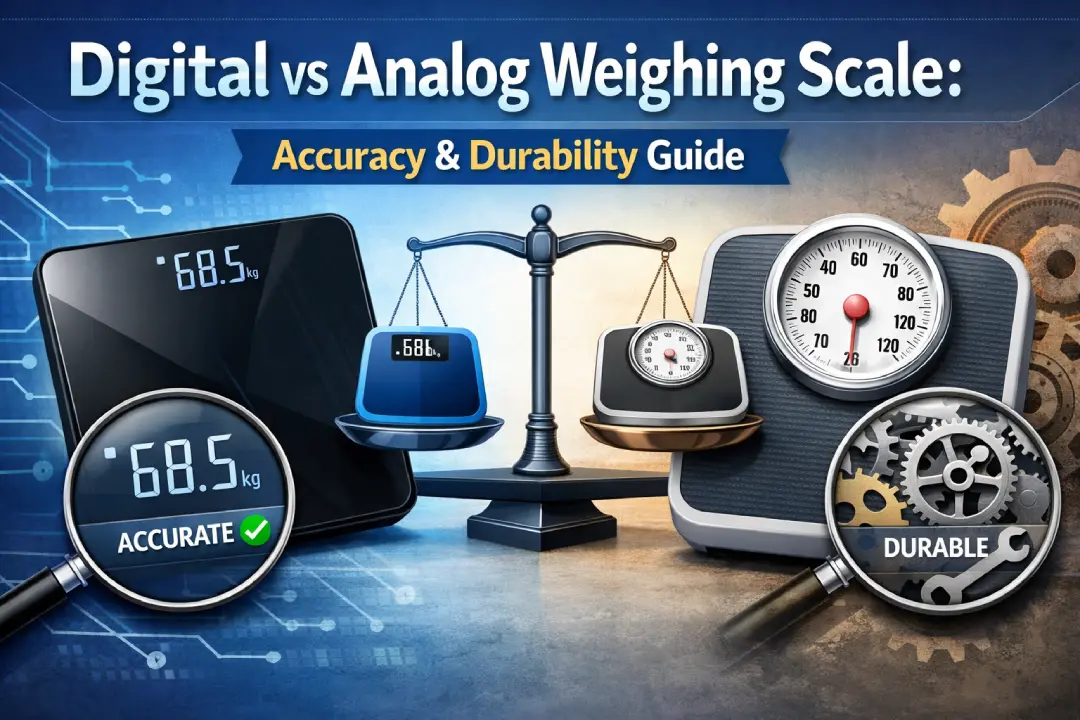
Premium digital scales use tempered glass platforms, stainless steel load cells, and precision circuitry that resist wear and environmental stress. Brands like Withings, Garmin, and Eufy emphasize long-term reliability, often including auto-calibration and moisture-resistant seals. With proper care, these models maintain accuracy for 5 to 10 years or longer.
Budget Digital Scales: 1–3 Years
Low-cost digital scales, especially those purchased online, often use plastic housings, weak adhesives, and low-grade sensors. These degrade quickly under regular use. Battery corrosion, screen flickering, and sensor drift are common after just 12 to 36 months, making replacement inevitable.
Mechanical Scales: Up to 10+ Years
While outdated in features, mechanical (analog) scales have no batteries or electronics to fail. Built with metal springs or levers, they can last a decade or more if protected from rust and physical damage. However, their accuracy diminishes over time due to spring fatigue, and they require periodic recalibration.
Industrial Scales: 10–30+ Years
Built for heavy-duty use, industrial scales include floor, truck, crane, and retail scales. When maintained, they can operate reliably for decades. Floor scales last 10 to 20+ years in warehouses and manufacturing. Truck scales (weighbridges) can reach 15 to 30+ years with foundation stability and weather protection. Crane scales typically last 10 to 15+ years with monthly inspections.
Scale Lifespan by Type

Bathroom Scales: 5–10 Years
High-quality bathroom scales last 5 to 10 years with stable surfaces, dry environments, and gentle use. Budget models often fail within 1 to 3 years due to cracked platforms, battery leaks, or inaccurate sensors.
Common failure signs include inconsistent weight readings, flickering or blank display, platform cracks or warping, and battery compartment corrosion.
Kitchen Scales: 5–7 Years
Used daily in homes and restaurants, kitchen scales face spills, moisture, and accidental drops. High-end models from brands like OXO and Escali last 5 to 7 years with proper cleaning and recalibration.
Key vulnerabilities include liquid seepage into internal components, overloading beyond capacity, and poor battery maintenance. If your scale shows erratic numbers after cleaning and battery replacement, replace it, especially if used for baking or dietary tracking where precision matters.
Industrial Scales: 10–30+ Years
Floor scales used in warehouses and manufacturing last 10 to 20+ years when protected by guardrails and bumpers to prevent forklift damage. They require regular debris removal from under the platform.
Truck scales installed outdoors last 15 to 30+ years. Longevity depends on foundation stability and weather protection. Concrete or steel decks must be inspected for cracks and corrosion. Load cells and junction boxes are vulnerable to moisture.
Crane scales last 10 to 15+ years but are subject to constant lifting stress. Inspect hooks, cables, and swivels monthly for wear. Calibrate annually or after heavy use.
Retail and postal scales found in shipping departments and grocery stores last 5 to 10 years. Failures often stem from damaged power cables, screen issues, or calibration drift.
Signs Your Scale Needs Replacing
Inconsistent or Drifting Readings
If your scale gives different results for the same object or person under identical conditions, sensor degradation is likely. Even recalibration won’t fix worn-out load cells.
Display Malfunctions
Watch for flickering digits, blank or partial LCD segments, and random numbers on startup. These symptoms often stem from moisture damage, failing circuit boards, or loose internal connections.
A working display doesn’t mean accurate readings. Always test against a known weight.
Visible Physical Damage
Look for cracked or warped platforms, corroded battery terminals, dented or bent frames, and frayed cables on industrial models. Even minor cracks can misalign load cells, leading to dangerous inaccuracies.
Calibration Failure
If your scale won’t accept calibration weights, loses calibration immediately after setup, or prompts ERR during calibration, it likely has irreversible sensor or electronic failure.
Age Beyond 10 Years
While some scales exceed 10 years, digital models older than a decade should be evaluated annually, especially in medical, commercial, or industrial settings. Parts and support may no longer be available.
Factors That Affect Scale Longevity

Quality of Materials and Build
Higher-quality scales use durable components such as tempered glass, stainless steel platforms, and precision load cells. Budget models often use plastic housings, lower-grade sensors, and cheaper electronics that degrade faster.
Frequency of Use
Scales used daily, especially in commercial or industrial environments, experience more mechanical stress and electronic fatigue. Bathroom and kitchen scales in household settings typically see moderate use and last longer.
Environmental Conditions
Humidity and moisture can corrode internal circuitry and damage load cells. Extreme temperatures affect battery performance and electronic stability. Direct sunlight can degrade LCD displays and plastic components over time.
Dust, debris, and chemical exposure contribute to internal contamination and mechanical interference.
Weight Capacity and Load Management
Regularly exceeding a scale’s maximum weight capacity accelerates sensor degradation and can cause permanent damage. Even occasional overloading can compromise calibration and structural integrity.
How to Extend Your Scale’s Lifespan
Use on a Flat, Stable Surface
Uneven floors cause uneven load distribution, straining sensors and reducing accuracy. Always place bathroom and kitchen scales on hard, level surfaces, never on carpet or tile joints.
Industrial floor scales must be installed on reinforced concrete pads to prevent settling and misalignment.
Clean Regularly
Dirt, dust, and debris interfere with sensor function. Wipe down home scales after each use. Remove batteries during long storage. Never submerge digital units.
For industrial scales, sweep or blow out debris weekly. Clean junction boxes and load cell areas monthly. Use protective covers in dusty or wet environments.
Protect from Environmental Damage
Avoid humidity and moisture, which cause corrosion and short circuits. Avoid extreme temperatures, which affect battery life and sensor stability. Avoid direct sunlight, which degrades LCD screens and plastic parts. Avoid chemicals and salt, which corrode metal components.
Store or install scales in climate-controlled environments when possible.
Handle With Care
Never drop bathroom or kitchen scales. Lift, don’t drag industrial units during relocation. Train operators to avoid driving forklifts aggressively onto floor scales.
Even small impacts can misalign load cells or crack solder joints.
Never Exceed Weight Limits
Overloading, even once, can permanently damage load cells. Check model specs for maximum capacity. Overloading voids warranties and creates safety risks.
Calibrate Regularly
Use calibration mode if available on digital home scales. Test monthly with a known weight. Recalibrate after moving or dropping.
Industrial scales should be calibrated annually or per manufacturer schedule. Use certified test weights. Hire licensed technicians for legal-for-trade applications.
Protect Cables and Connections
Industrial scales rely on homerun cables linking load cells to digital indicators. These cables are prone to damage from crushing, tripping hazards, or accidental yanking.
Install cable armor or protective conduits. Mount indicators on walls or desks. Use cable ramps in high-traffic areas.
Damaged cables are one of the top causes of industrial scale downtime.
Keep Original Packaging
Many users toss the box immediately, but it’s essential for warranty repairs, relocation, and preventing shipping damage. Store the original box, foam inserts, and manual for at least 6 to 12 months.
Schedule Professional Maintenance
For industrial systems, schedule annual inspections. Check for corrosion, cable wear, and foundation cracks. Keep spare parts on hand for older models.
Businesses depending on scale accuracy should treat scales like mission-critical equipment.
Buy Quality, Especially for Industrial Use
Low-cost online scales may save money upfront but fail quickly. Poor accuracy, short lifespan, no customer support, and lack of calibration services are common risks.
Reputable brands offer durable materials, long-term service availability, firmware updates, and compliance with industry standards. For commercial or industrial use, prioritize long-term value over initial cost.
Scale Lifespan Summary Table
| Scale Type | Expected Lifespan | Key Maintenance Tips |
|---|---|---|
| High-quality digital | 5–10+ years | Calibrate, keep dry, avoid drops |
| Low-quality digital | 1–3 years | Replace batteries, don’t overload |
| Mechanical | Up to 10+ years | Prevent rust, check alignment |
| Bathroom | 5–10 years | Use on flat surface, clean platform |
| Kitchen | 5–7 years | Wipe spills, recalibrate, avoid moisture |
| Industrial (floor/truck) | 10–30+ years | Protect cables, remove debris, pro servicing |
Frequently Asked Questions About Scale Lifespan
How long does a digital bathroom scale last?
A high-quality digital bathroom scale typically lasts 5 to 10 years with proper care. Budget models often fail within 1 to 3 years due to battery corrosion, sensor drift, or cracked platforms.
Can a scale last 20 years?
Yes, industrial scales can last 20 years or more with proper maintenance, protection from environmental damage, and regular calibration. The Mettler Toledo 8433 retail scale, introduced decades ago, is still functional at some facilities today.
What causes a scale to stop working?
Common causes include battery corrosion, moisture damage to internal circuitry, physical impacts that misalign sensors, overloading that damages load cells, and general wear on electronic components.
How often should I calibrate my scale?
For home scales, test monthly with a known weight and recalibrate after moving or dropping. Industrial scales should be calibrated annually or per manufacturer schedule, especially for legal-for-trade applications.
Should I repair or replace my scale?
Replace if readings are inconsistent despite recalibration, if display malfunctions persist, if there’s visible physical damage, or if the scale is older than its expected lifespan. Repair may be worth it for expensive industrial models with minor issues.
Key Takeaways for Maximizing Scale Life
A scale is a precision measurement tool, not a disposable gadget. Whether you’re monitoring your health, running a bakery, or managing a warehouse, accuracy matters.
Invest in quality scales from reputable brands. Follow weight limits and usage guidelines. Clean and inspect regularly. Calibrate as recommended. Protect cables, displays, and load cells.
Replace your scale when readings are inconsistent, it fails calibration, physical damage is visible, or it exceeds 10 years of digital use. With smart usage and regular care, many scales can last decades.