Stepping on a body fat scale feels like getting a health report in seconds. Your weight, body fat percentage, muscle mass, and more appear instantly on the display. But how does a body fat scale work, really? Behind that sleek screen is a technology called bioelectrical impedance analysis, which sends a harmless electrical current through your body to estimate how much fat you carry. These devices are convenient for tracking trends over time, but they are not medical-grade diagnostic tools.
This guide breaks down the science behind BIA technology, what metrics these scales actually measure, why readings fluctuate, and how to use them effectively. You’ll also learn about their limitations, clinical alternatives, and better indicators for monitoring your body composition.
The Science Behind BIA: How Body Fat Scales Measure Your Composition
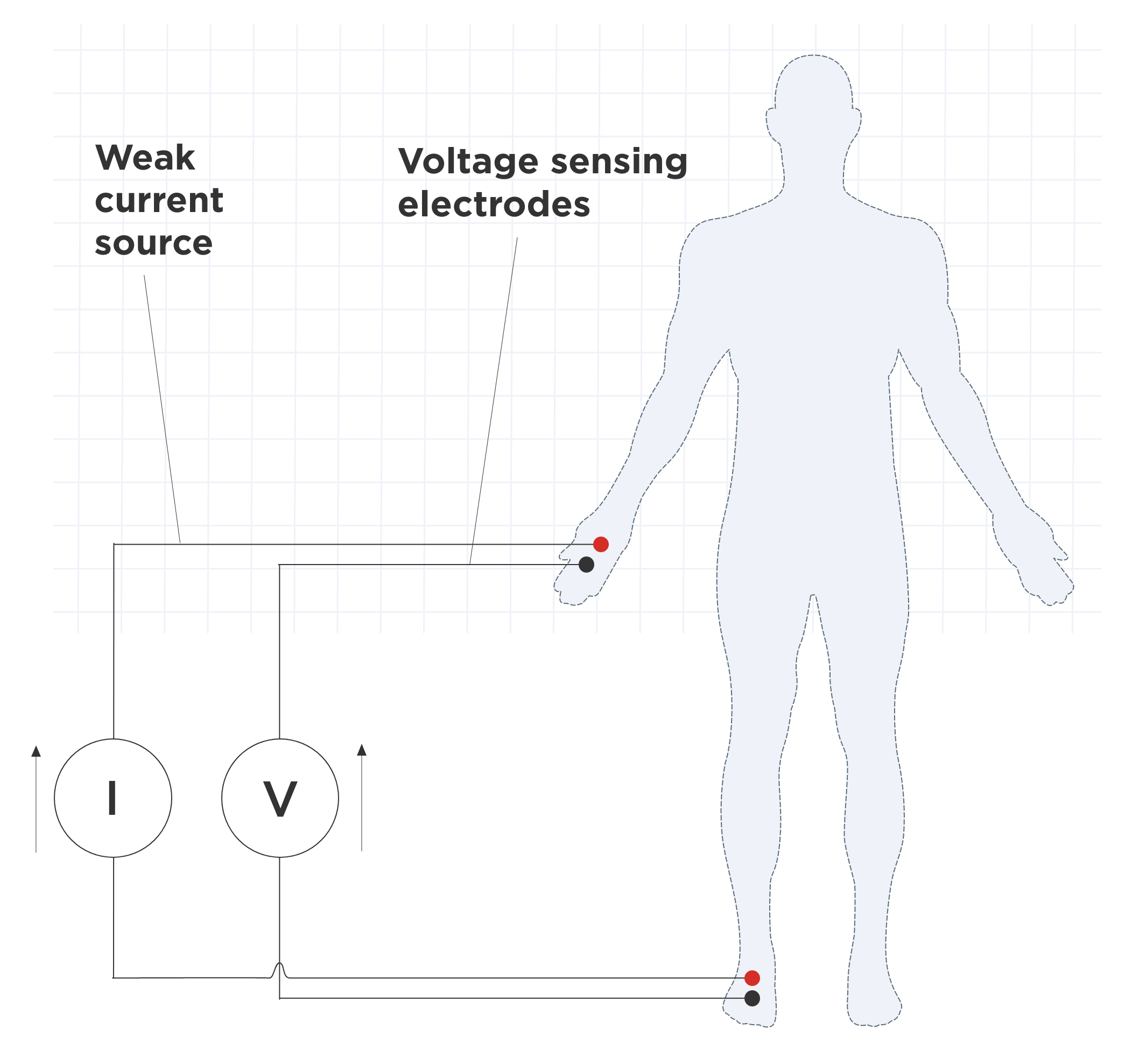
Body fat scales do not directly “see” fat inside your body. Instead, they rely on bioelectrical impedance analysis to estimate your body composition. When you step on the scale barefoot, it sends a low-level electrical current, typically under 1 milliamp, from one foot through your lower body and down to the other foot. You will not feel this current, but it is measuring something important.
Why Fat Resists the Electrical Current
Muscle and other lean tissues contain significant amounts of water and electrolytes, making them excellent conductors of electricity. Fat tissue, however, holds much less water and actively resists the electrical flow. The scale measures this resistance, which scientists call impedance. Higher resistance typically indicates a higher percentage of body fat.
Using this impedance value, the scale combines the data with your height, weight, age, and gender to calculate your estimated body fat percentage. These personal details help the algorithm refine its estimate, though they also introduce potential sources of error if entered incorrectly.
What the Current Actually Measures
The electrical signal travels only through your lower body, from foot to foot. This leg-to-leg BIA method does not directly assess your arms or torso. The scale uses proprietary algorithms to extrapolate your full-body composition from this lower-body data, which explains why results can vary significantly between different models and brands.
Body Composition Metrics Your Scale Can Track

Modern smart scales do not stop at fat percentage. Using the same BIA data and your personal inputs, they estimate multiple health metrics within seconds.
Body Fat Percentage
This is the core reading: the proportion of fat mass relative to your total body weight. Healthy ranges differ by gender. Men typically fall between 6% and 24%, while women range from 14% to 31%. Women naturally carry more fat due to biological functions like pregnancy and breastfeeding, which is why gender input matters so much for accurate results.
Total Body Water
Water makes up over 50% of your body weight, with higher percentages in muscle-rich individuals. The scale estimates TBW because muscle holds more water than fat. Low TBW readings may signal dehydration or higher body fat, while elevated readings often correlate with greater muscle mass.
Muscle Mass and Basal Metabolic Rate
Muscle conducts electricity well, so low impedance suggests higher muscle mass. Some scales track changes over time, which is useful for strength training programs. Each additional kilogram of muscle burns approximately 110 more calories at rest, making this a valuable metric for weight management.
Your BMR estimates the calories your body burns at rest to maintain vital functions. It depends on your age, weight, height, gender, and muscle mass, and it accounts for 60% to 70% of your daily energy expenditure.
BMI and Its Limitations
BMI calculates weight divided by height squared. While useful for population studies, BMI cannot distinguish between fat and muscle. Research shows up to 60% of women and 13% of men are misclassified when using BMI to define obesity. A muscular athlete may appear overweight despite having low body fat.
Why Your Body Fat Readings Fluctuate Daily
If your body fat percentage jumps 3% overnight, it is likely not fat gain or loss. It is probably hydration. BIA is extremely sensitive to fluid levels, so small changes in water content dramatically affect the impedance reading.
Hydration’s Major Impact
Dehydration increases electrical resistance, causing the scale to overestimate your body fat. Overhydration lowers resistance, making the scale underestimate your fat percentage. Alcohol, caffeine, sweating, or illness can shift your hydration status quickly, which is why one-day readings are unreliable for tracking actual changes.
Best Time to Weigh In
For consistent results, measure in the morning after waking, before eating or drinking, and before exercising. Avoid measuring after a bath, sauna, intense exercise, large meals, or significant fluid intake. Evening readings tend to vary more due to daily activities and food consumption.
Factors That Affect Body Fat Scale Accuracy
Even with perfect technique, many variables influence your reading. Understanding them helps you avoid drawing false conclusions from the numbers.
User Input Errors
Scales use your age, gender, height, and sometimes activity level to calculate results. Entering incorrect data produces inaccurate output. A 5 cm height error can shift body fat readings by several percentage points. Selecting the wrong gender underestimates fat due to different algorithms for men and women.
Some models offer athlete mode for highly active users with lower body fat and higher muscle mass. Using the correct mode improves accuracy for this population.
Foot Contact and Skin Condition
Poor contact reduces signal quality and leads to erroneous readings. Make sure your feet are bare and clean, with the entire sole touching the electrode pads, which are usually metal rings. Skin that is too dry or calloused may reduce conductivity, while slightly moistening feet can improve conduction if the manufacturer allows it.
Device-Specific Algorithms
No two brands use the same mathematical formulas. One scale may read 22% body fat while another reads 26% for the same person. This variation is normal and expected. The key advice is to never compare readings across different devices. Use the same scale every time to track change accurately.
Consumer Scales vs Clinical Methods: Accuracy Comparison

Consumer body fat scales are not medical devices. They provide estimates that can be off by up to 20% compared to clinical methods. Understanding this limitation helps you use the data appropriately.
Why Consumer Scales Lack Precision
Leg-to-leg BIA only measures the lower body, then estimates the rest. Algorithms are proprietary and unverified across diverse populations. Studies often test on small, non-representative groups, which limits generalizability. These scales cannot detect where fat is stored, which matters significantly for health risk assessment.
Clinical Alternatives for Accurate Measurements
DEXA scans use low-dose X-rays to separate fat, muscle, and bone with high accuracy. They provide full-body and regional analysis, including visceral fat measurement. Other clinical methods include Bod Pod air displacement, hydrostatic weighing, and MRI or CT scans, though these are expensive and mostly available in research settings.
Who Should Avoid Body Fat Scales
Despite being safe for most people, certain individuals should not use BIA scales due to medical concerns.
People with Electronic Implants
The electrical current, though tiny, could interfere with pacemakers, defibrillators, or insulin pumps. Never use a body fat scale if you have an implanted electronic medical device.
Pregnant Women
Body composition changes dramatically during pregnancy, making fat and water readings meaningless. Use weight-only mode if tracking pregnancy weight gain.
Young Children
Most models are not validated for children under 6 years old. Their developing bodies and different hydration levels produce unreliable results.
Best Practices for Reliable Tracking
You cannot make a consumer scale more accurate, but you can make it more consistent by following these guidelines.
Measure at the Same Time Daily
Morning readings, before eating or drinking, offer the most consistent results. Hydration and digestive state remain stable at this time, reducing variables that affect impedance.
Ensure Full Foot Contact
Stand with feet flat and centered on the electrodes. Wet or dry skin, calluses, and improper positioning all reduce contact quality and affect readings.
Focus on Trends, Not Daily Numbers
Look at weekly or monthly averages rather than day-to-day fluctuations. A 1% to 3% change is normal and usually reflects water variation, not fat change. Track patterns over weeks and months for meaningful progress assessment.
Combine With Other Indicators
Do not rely solely on scale numbers. Track how your clothes fit, measure waist circumference, monitor strength and endurance improvements, and note energy levels. These often reflect progress better than the scale alone.
Frequently Asked Questions About Body Fat Scales
Can body fat scales detect visceral fat?
No, most consumer body fat scales cannot detect visceral fat or determine where fat is stored on your body. They provide a total body fat percentage but cannot distinguish between subcutaneous fat and the more dangerous abdominal fat surrounding your organs.
Why do different scales give different readings?
Each manufacturer uses different proprietary algorithms and measurement methods. One brand may measure from foot to foot while another uses hand to foot, and their mathematical formulas differ significantly. This is why you should never compare readings between different devices.
How accurate are body fat scales compared to medical tests?
Consumer scales are not highly accurate. Studies show they can be off by approximately 20% compared to gold-standard methods like DEXA scans. They are best used for tracking trends over time rather than obtaining precise measurements.
Should I use a body fat scale if I have a pacemaker?
No. You should not use any BIA-based body fat scale if you have an implanted electronic medical device like a pacemaker, defibrillator, or insulin pump. The electrical current could interfere with your device’s function.
What is the most accurate way to measure body fat at home?
The most accurate home method is consistency with the same device under the same conditions. However, alternatives like the Relative Fat Mass index, which uses only height and waist circumference, have shown better accuracy than BMI and do not require any electrical devices.
Key Takeaways for Understanding Body Fat Scale Technology
Body fat scales are convenient tools for tracking body composition trends, not diagnostic devices. They work by sending a safe, low-current electrical signal through your feet and measuring how much resistance your body creates. This resistance correlates with body fat percentage when combined with your personal data.
The readings are estimates influenced heavily by hydration, time of day, and device algorithms. They cannot detect visceral fat or fat distribution, which are important health indicators. For most people, these scales can motivate healthy habits and track progress over time, but they should be used alongside other measurements like waist circumference and how clothes fit.
Focus on long-term trends rather than daily numbers, use one consistent device, measure at the same time each day, and remember that the number is just one piece of your overall health picture. For medical-grade accuracy, consider clinical methods like DEXA scans, but for everyday motivation and trend tracking, a well-used body fat scale can be a valuable tool in your health journey.