You step on the scale each morning, eager to see progress. The number flashes: body fat 17.3%, Health Score 698, metabolic age 38. You feel good until you wonder: how accurate is the Hume scale, really? Marketed as 98% as accurate as DEXA, the gold standard in body composition, the Hume Body Pod Health Scale promises clinical-grade insights at home. But real-world data reveals a more nuanced truth.
This guide breaks down exactly how close Hume comes to reality, based on head-to-head comparisons, scientific principles of Bioelectrical Impedance Analysis, user experiences, and expert recommendations. You will learn where Hume excels, where it falls short, and how to use it wisely so you can trust the trend, not just the number.
Hume vs. DEXA: The Accuracy Reality Check
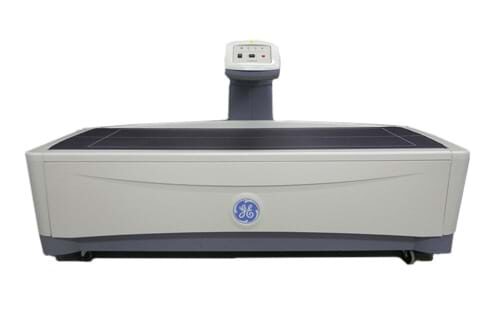
Why DEXA Is the Gold Standard
DEXA, or Dual-Energy X-ray Absorptiometry, is the most accurate way to measure body composition outside a lab. Unlike smart scales, DEXA does not estimate. It directly images fat, muscle, and bone using low-dose X-rays. Key advantages include:
• Segment analysis for arms, legs, and trunk separately
• Visceral fat measurement in grams
• Bone density with T-scores for osteoporosis assessment
• Unaffected by hydration, timing, or recent food intake
DEXA scans cost $75 to $150 per session and are available at specialized clinics. They provide precision that no consumer scale can match, making them ideal for calibration and clinical assessment.
How Hume Measures Your Body
The Hume scale uses Bioelectrical Impedance Analysis, sending a weak electrical current through your feet and measuring resistance. Muscle and water conduct electricity well while fat resists it. From this, Hume estimates body fat percentage, lean mass, bone mineral content, visceral fat index, and basal metabolic rate.
The process is fast, non-invasive, and convenient. However, BIA is highly sensitive to hydration, timing, and user behavior, making it less reliable than DEXA for absolute values.
Real-World Accuracy: Hume vs. DEXA Data
Case 1: Near-Perfect Body Fat Match
In one controlled test, a 174-pound male compared same-day measurements with these results:
| Metric | DEXA | Hume | Difference |
|---|---|---|---|
| Body fat % | 12.4% | 12.0% | -0.4% |
| Lean mass | 152.1 lb | 148.0 lb | -4.1 lb |
| BMR | 1,934 kcal | 2,134 kcal | +200 kcal |
Body fat was nearly identical, supporting Hume’s 98% accuracy claim for this specific metric. However, lean mass was off by over 4 pounds and BMR overestimated by 10%.
Case 2: Hume Overly Optimistic
Another user weighing 200 pounds showed more significant discrepancies:
| Metric | DEXA | Hume | Difference |
|---|---|---|---|
| Body fat % | 20.5% | 17.7% | -2.8% |
| Fat mass | 41.4 lb | 27.1 lb | -14.3 lb |
| Visceral fat | 427g (index 9) | Index 6 | Less severe rating |
Hume underestimated fat mass by 34%, a major discrepancy. Yet both devices showed the same downward trend over time, demonstrating that directional accuracy remains reliable even when absolute values differ.
Accuracy by Metric: What to Trust

Body Weight: Highly Reliable
Hume matches DEXA within 1 pound across all tests. Use it confidently for daily weight tracking.
Body Fat Percentage: Conditionally Accurate
Body fat can be within 0.4% of DEXA under ideal conditions but may underreport by up to 2.8%. Best for tracking trends over time rather than absolute truth.
Lean Mass: Inconsistent
Lean mass readings vary by plus or minus 4 pounds depending on the test. Results are inflated when fat is underestimated, so do not rely on it for muscle gain tracking.
BMR: Overestimated
Hume reported 200 calories per day higher than DEXA in one test. This may lead to overeating if used for diet planning. Treat it as a rough estimate only.
Fat Mass: Often Wrong
One case showed 27.1 pounds on Hume versus 41.4 pounds on DEXA, a 14.3-pound error that is clinically significant. Do not use fat mass for goal setting without DEXA validation.
Visceral Fat: Not Comparable
DEXA measures visceral fat in grams while Hume uses a proprietary 0 to 12 index scale. The different measurement systems make direct comparison meaningless.
Bone Mass: Negligible Error
DEXA showed 8.5 pounds versus Hume at 8.6 pounds, a difference too small to affect any health decisions.
Why Hume Accuracy Varies: Key Factors
Hydration Status Matters Most
BIA relies on electrical conductivity, which fluctuates heavily with water content. Dehydration increases resistance and overestimates fat. Overhydration decreases resistance and underestimates fat. Harvard Health confirms that BIA results swing significantly with fluid levels.
Test first thing in the morning after using the bathroom, before eating or drinking.
User Behavior Affects Readings
Recent exercise increases blood flow and lowers impedance. Dry skin causes failed readings, so lightly dampen feet for consistency. Stand still with feet together and hands close to your body during scanning. Phone proximity matters too: background sync does not work. You must open the app during the scan.
Algorithm Bias: Designed to Flatter
Hume uses population-based algorithms that may underestimate body fat to encourage engagement and generate better reviews. The system lacks calibration for athletes or atypical body compositions.
One user saw metabolic age 38 at their actual age 51, which was motivating but not clinically validated.
No Regional Data
Hume cannot tell you if fat loss comes from your belly or legs. It cannot detect muscle imbalances. You get only a whole-body estimate with no location data.
Can You Trust the Trends
Yes, If You Are Consistent
Even with absolute errors, Hume tracks direction accurately. One user dropped from 27% to 20.5% body fat on DEXA over six months. Hume showed 17.7% to 13.6% during the same period, reflecting the same downward trend.
As long as you measure under similar conditions, trends are reliable. This makes Hume excellent for daily feedback, habit reinforcement, and seeing progress over time. Remember, the number is not truth. It is a signal.
Practical Tips to Improve Hume Accuracy
Optimize Your Measurement Routine
- Test at the same time daily, preferably morning
- Avoid food, drink, and exercise 2 to 3 hours before
- Use the bathroom first
- Moisten feet lightly if readings fail
- Stand still with feet together and arms at sides
- Keep phone nearby since scan must be active
Calibrate with DEXA
Get a baseline DEXA scan to know your true starting point. Use Hume to track progress toward that benchmark. Re-scan every 6 to 12 months to verify.
For example, if DEXA shows 20.5% body fat and Hume shows 17.7%, you know Hume runs approximately 2.8% low. Adjust your expectations accordingly.
Combine with Other Metrics
Track progress photos weekly, measure waist circumference monthly, and note strength and endurance gains. Clothing fit provides real-world validation beyond the scale numbers.
Hume vs. Withings: Is It Worth the Price
| Feature | Hume Scale | Withings Body+ |
|---|---|---|
| Price | $150-$200 | $120 |
| Bluetooth Sync | Manual (phone required) | Automatic |
| App Integration | Hume app only | Apple Health, Google Fit |
| Medical Certification | None | FDA-cleared, CE-marked |
| User Trust | Mixed | High |
Withings wins on integration, reliability, and value. Hume higher price is not justified unless you want its Health Score and motivational features.
When to Use Hume and When Not To
Use Hume If You Want
• Daily motivation and feedback
• Trend tracking rather than perfect numbers
• Tolerance for bias and limitations
• Occasional DEXA scans for validation
• Purchase on sale rather than full price
Skip Hume If You Need
• Precise body fat percentage for competition or medical reasons
• Regional fat or muscle analysis
• Clinical accuracy
• Seamless app syncing
Final Verdict: Is the Hume Scale Accurate
The Truth About the 98% Claim
Hume 98% as accurate as DEXA slogan is selectively true. It can match DEXA within 0.4% body fat in ideal conditions but also misses by 2.8% in other cases. The claim likely applies only to body fat percentage, not total body composition. Other metrics like fat mass and lean mass are far less accurate.
Bottom Line: Useful, Not Trustworthy
The Hume scale is accurate enough to be useful but not accurate enough to be trusted absolutely. It shines as a behavioral tool, not a diagnostic device. When you see your body fat trend downward over weeks, you are likely making progress even if the exact number is off.
For best results, use it daily for feedback, trust the trend not the number, validate with DEXA annually, and pair with photos and measurements.
Frequently Asked Questions About Hume Scale Accuracy
Does Hume really match DEXA accuracy?
Hume can match DEXA within 0.4% for body fat percentage under ideal conditions, but discrepancies up to 2.8% have been documented. The 98% accuracy claim applies only to body fat under optimal circumstances, not to other metrics.
Why does Hume show different results than DEXA?
Hume uses Bioelectrical Impedance Analysis, which is highly sensitive to hydration, recent food intake, and exercise. DEXA uses X-ray imaging and is unaffected by these factors. The different technologies produce different results.
Can I trust Hume scale for weight loss tracking?
Yes, for trends. While absolute values may be off by several percentage points, the direction of change tracks accurately. If Hume shows body fat decreasing over weeks, you are likely losing fat.
How often should I calibrate Hume with DEXA?
Get a DEXA scan when you first purchase Hume to establish a baseline. Then re-scan every 6 to 12 months to recalibrate your expectations and verify progress.
Is Hume worth the price compared to cheaper scales?
Hume costs more than comparable scales like Withings Body+ but offers similar accuracy. The higher price is only justified if you value its Health Score features and motivational metrics. Otherwise, cheaper alternatives provide better value.
Key Takeaways for Understanding Hume Scale Accuracy
The Hume scale delivers impressive accuracy for body weight and can match DEXA within half a percentage point for body fat under perfect conditions. However, fat mass can be off by 30% or more, and lean mass estimates vary by several pounds between tests.
Use Hume as a daily motivation tool and trend tracker, not as a diagnostic device. Get a baseline DEXA scan to understand your true body composition, then use Hume to monitor directional changes over time. Combine scale data with progress photos, measurements, and strength gains for a complete picture of your health journey.