You step on the scale and see a sudden 3-pound jump overnight. No extra snacks, no skipped workouts. What happened? The culprit might not be fat gain, but bloating. Yes, bloating does affect the scale, often adding 1 to 5 pounds temporarily due to fluid retention, gas buildup, or constipation. This number does not reflect true body fat. Instead, it is a short-term fluctuation that resolves within hours or days.
Understanding how bloating impacts scale weight is key to avoiding frustration in your health journey. Unlike real weight gain, which builds slowly from a calorie surplus, bloating causes rapid shifts that vanish just as quickly. This guide breaks down exactly how bloating tricks the scale, why it happens, and what to do about it.
How Bloating Adds Weight to the Scale
Bloating inflates your weight reading through three main mechanisms: fluid retention, gas buildup, and constipation. While none add permanent mass, each contributes measurable, temporary pounds to the scale. Recognizing these mechanisms helps you interpret daily fluctuations accurately and avoid unnecessary panic.
Fluid Retention: The Main Scale Driver
Your body holds extra water for various reasons, adding real weight to the scale within hours. Since 16 ounces of water equals one pound, even small fluid shifts create noticeable changes.
Common triggers for fluid retention include:
– High-sodium meals and processed foods
– Hormonal fluctuations during PMS or menstruation
– Corticosteroid medications
– Dehydration (ironically worsens water retention)
Signs of fluid retention include puffy face, swollen hands or feet, and tight-fitting clothes. This type of bloating typically resolves within 1 to 3 days once the trigger passes.
Gas Buildup and Its Temporary Impact
Gas itself weighs almost nothing, but bloating from gas often comes with inflammation and fluid shifts, contributing up to 1 to 2 extra pounds to the scale.
Sources of gas include:
– Carbonated beverages and sparkling water
– Chewing gum and hard candies
– Beans, broccoli, onions, and cruciferous vegetables
– Artificial sweeteners like sorbitol and xylitol
Symptoms include abdominal distension, tightness, belching, and discomfort. Walking, burping, or passing gas typically provides relief within hours.
Constipation’s Effect on Weight Readings
When bowel movements stall, uneliminated stool adds several pounds to your weight. Though not fat, this retained waste mass shows up clearly on the scale.
Common causes of constipation include:
– Low fiber intake and dehydration
– Lack of physical activity
– Stress and hormonal changes
– Certain medications
The weight disappears immediately after a bowel movement, returning you to your true baseline.
Bloating vs. True Weight Gain: How to Tell the Difference

Knowing whether a scale rise is bloating or fat gain prevents unnecessary panic. These two conditions differ in onset, feel, distribution, and reversibility.
Sudden Changes vs. Gradual Trends
Bloating shows up overnight or within hours, often after a salty meal or during PMS. Fat gain develops over days or weeks from consistent calorie surplus. If your weight jumps 3 pounds in a day with no lifestyle changes, it is almost certainly bloating.
Localized vs. Widespread Distribution
Bloating affects only the abdomen, creating a tight, swollen appearance. Fat gain appears across hips, thighs, arms, back, and face over time. Weight gain rarely targets one area only.
Hard vs. Soft Abdomen
Press gently on your stomach. If it feels hard, tight, and rigid, bloating is the cause. If it feels soft and squishy, you are feeling subcutaneous fat.
Morning vs. Evening Patterns
Weigh yourself first thing in the morning after using the bathroom and before eating. If your abdomen appears significantly flatter in the morning than at bedtime, bloating is likely. True fat mass remains consistent regardless of time of day.
Common Triggers That Cause Scale Spikes
Certain foods, habits, and hormones trigger bloating that skews your weight readings. Identifying these triggers helps reduce false spikes.
Diet Triggers That Add Pounds Overnight
High-sodium meals cause water retention, adding 1 to 3 pounds within hours. Carbonated beverages introduce trapped gas. Chewing gum leads to swallowed air. FODMAP-rich foods like beans, broccoli, apples, and dairy cause bacterial fermentation and gas production.
Artificial sweeteners (sorbitol, xylitol, mannitol) feed gut bacteria, producing gas and bloating. Processed carbohydrates feed gas-producing bacteria and promote inflammation.
Lifestyle Habits That Worsen Bloating
Eating too fast swallows air and impairs digestion. Sedentary behavior slows gut motility and traps gas. Dehydration worsens constipation and fluid retention. Chronic stress disrupts gut bacteria and promotes both bloating and abdominal fat storage.
About 40 percent of people eat more when stressed, compounding bloating and potential fat gain.
Hormonal Changes That Raise the Number
Women often see scale jumps due to natural hormonal shifts. During PMS (luteal phase), estrogen-driven water retention adds 1 to 5 pounds pre-period. Pregnancy causes early bloating that mimics PMS. Menopause brings slower metabolism and fat redistribution to the abdomen. PCOS involves insulin resistance leading to fat gain plus digestive issues.
Medical Conditions That Cause Both Bloating and Weight Gain
Some health issues cause both bloating and true weight gain, making it hard to tell them apart without medical evaluation.
Hypothyroidism Slows Everything Down
Hypothyroidism slows metabolism, causing true fat gain. It also slows intestinal motility, leading to constipation and bloating. Symptoms include fatigue, cold intolerance, dry skin, and unexplained weight rise. Treatment with levothyroxine restores balance.
Cushing’s Syndrome Causes Real Fat Accumulation
Cushing’s syndrome results from excess cortisol, whether from tumors or steroid use. This causes central obesity plus fluid retention. Signs include moon face, buffalo hump, thin skin, and rapid abdominal gain. This is real fat accumulation, not temporary bloating.
Ascites: When Fluid Builds Dangerously
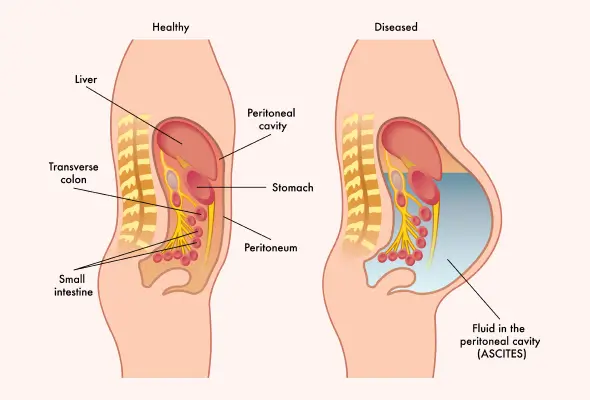
Ascites involves fluid buildup in the abdomen due to liver disease, heart failure, or cancer. Weight gain can add tens of pounds from abdominal fluid. Symptoms include rapid swelling, shortness of breath, and leg edema. This is a medical emergency requiring immediate care.
IBS and SIBO Cause Chronic Bloating
Irritable bowel syndrome causes chronic gas, pain, and altered bowel habits, leading to 2 to 4 pound daily swings. Small intestinal bacterial overgrowth ferments food in the wrong place, causing excessive gas and bloating. These conditions cause significant discomfort but no fat gain.
How to Reduce Bloating and Stabilize the Scale
You can minimize bloating-related scale spikes with simple diet and lifestyle adjustments.
Eat and Drink Mindfully
Limit sodium to under 2,300 milligrams daily to reduce water retention. Stay hydrated with 8 to 10 cups of water daily. Dehydration worsens bloating. Chew slowly to prevent air swallowing. Avoid carbonation and gum to reduce trapped gas.
Your urine should be light lemonade color, not dark like iced tea.
Support Gut Health Naturally
Eat probiotic-rich foods like yogurt, kefir, sauerkraut, kimchi, and kombucha. These strengthen gut bacteria and aid digestion. Try a low-FODMAP diet temporarily under guidance to identify trigger foods if you have IBS.
Use simethicone (Gas-X) to break up gas bubbles for quick relief. Peppermint oil capsules reduce IBS-related bloating.
Move and Manage Stress
Walk after meals to help gas move through intestines. Exercise regularly boosts motility and reduces stress. Practice deep breathing, yoga, or meditation to calm the gut-brain axis. Sleep 7 to 9 hours to maintain hormone balance.
Even 10 minutes of walking post-meal can ease bloating significantly.
When to See a Doctor About Bloating
Do not ignore persistent or severe symptoms. Seek medical help if you experience ongoing bloating that does not improve with diet changes, unexplained weight gain or loss, abdominal pain with nausea or fever, blood in stool, rapid abdominal swelling, or shortness of breath.
These symptoms may signal serious conditions like ovarian cancer, Crohn’s disease, celiac disease, or ascites. If bloating comes with severe pain, weight loss, or bowel changes, it is time to see a doctor.
Frequently Asked Questions About Bloating and Scale Weight
Can bloating add 5 pounds to the scale?
Yes, severe bloating from fluid retention can add 3 to 5 pounds temporarily. This typically occurs during PMS, after high-sodium meals, or due to hormonal fluctuations. The weight usually resolves within 1 to 3 days.
How long does bloating weight last?
Bloating-related weight typically resolves within hours to days. Fluid retention from sodium or hormones often lasts 1 to 3 days. Gas passes within hours. Constipation clears after bowel movements.
Why do I weigh more in the evening than in the morning?
Bloating accumulates throughout the day from eating, drinking, and gas production. Morning weigh-ins after using the bathroom give your lowest and most accurate reading. Evening weights include food, fluid, and gas in your digestive system.
Does water retention cause real weight gain?
No, water retention causes temporary weight fluctuation, not true fat gain. Once the trigger passes (reduced sodium, hormonal shift resolved), weight returns to baseline. True weight gain requires sustained calorie surplus over weeks or months.
Can stress cause bloating and weight gain?
Yes, chronic stress disrupts gut bacteria, slows digestion, and increases cortisol levels. This promotes both bloating and abdominal fat storage. About 40 percent of people eat more when stressed, compounding the effect.
Should I weigh myself during my period?
Weighing during your period may show 1 to 5 pounds higher due to PMS-related fluid retention. This is temporary bloating, not fat gain. If you track weight, weigh at the same time each month relative to your cycle for consistency.
Key Takeaways: What the Scale Really Means
Bloating definitely affects the scale, adding 1 to 5 pounds temporarily from fluid retention, gas, or constipation. This is not fat gain and resolves within hours to days with no intervention. True weight gain is gradual, widespread across multiple body areas, and requires sustained calorie surplus.
The best weighing practice is first thing in the morning, fasted, after using the bathroom. Watch for red flags including rapid swelling, severe pain, blood in stool, or unexplained weight changes that require medical evaluation.
Bloating and weight gain often share underlying causes like stress or diet, but they are not the same. By tracking patterns, adjusting habits, and knowing when to seek help, you can trust your scale again and focus on real progress.