You just replaced the batteries in your digital bathroom scale, only to find it still won’t turn on, flickers, shows “LO,” or dies after one use. This is a frustrating but common issue. The problem isn’t always the battery itself. More often, it’s residual charge trapped in the circuitry, corroded contact points, or hidden electronic failure. Thousands of users across brands like Taylor, Wyze, Starfrit, and GE report identical symptoms after battery swaps. The good news? Many cases can be fixed with simple, step-by-step troubleshooting. This guide gives you proven fixes, from basic resets to deep cleaning, and tells you when it’s time to claim a warranty replacement.
Confirm Battery Installation Before Assuming Hardware Failure
Before you conclude the scale is broken, double-check the most common cause of post-battery-change failure: incorrect battery installation. This takes two minutes and saves you from unnecessary repairs.
Use Correct Battery Type
Most digital scales use a CR2032 3V lithium coin cell. Some models require two. Always verify the type printed inside the battery compartment. Using a different battery like a CR2025 may fit physically but delivers insufficient power, causing the scale to behave as if the battery is dead.
Check Polarity
The positive side typically faces up. If the scale uses a spring-loaded negative contact, the flat side of the battery (positive) should rest against the top terminal. Reversing polarity won’t usually damage the unit but will prevent it from powering on.
Inspect Contact Quality
Look for these common problems in the battery compartment:
• Bent or flattened metal tabs
• Visible corrosion (white or green residue)
• Debris blocking contact between battery and terminal
Use a precision screwdriver to gently bend tabs upward for better pressure. Replace the battery only after ensuring full metal-to-metal contact.
Perform a Full Power Cycle to Reset the Microcontroller

Residual charge in the circuitry can lock the microcontroller, making the scale unresponsive even with fresh batteries installed. This is one of the most effective fixes and should be your first step after checking battery installation.
Wait 30 Minutes Minimum
Remove the battery and leave the scale disconnected for at least 30 minutes. This drains capacitors and resets the internal chip. Some users succeed with 5 to 10 minutes, but 30 minutes is the safest standard to ensure complete discharge.
Pro Tip: Place the scale near a dehumidifier during this time to reduce ambient moisture that may be contributing to the problem.
Reinstall Battery Correctly
After waiting, follow these steps:
1. Insert a known-good CR2032 battery (not the original “new” one you suspect may be faulty)
2. Place the scale on a hard, flat surface (carpet or tile grout can interfere with readings)
3. Step firmly on the scale to activate it
If it powers on, the issue was trapped charge. If not, proceed to the next troubleshooting step.
Clean Electrical Contact Points to Remove Oxidation
Oxidation on sensor pads is a top cause of failure, especially in bathroom environments where moisture accumulates over time. This issue affects most brands, particularly non-sealed models like Wyze and generic brands.
Identify Corrosion Locations
Common problem areas include:
• Rubber footpads with embedded metal disks
• PCB contact points under each foot
• Battery terminals inside the compartment
Moisture seeps in over time, especially in models without proper seals. This creates a white or green residue that blocks electrical flow.
Clean With Sandpaper and Alcohol
If you can safely open the scale:
1. Remove the screws on the back of the unit
2. Open the casing carefully to avoid damaging ribbons
3. Locate metal disks on footpads and matching PCB contact pads
4. Gently scrub both surfaces with fine sandpaper (400+ grit) to remove oxidation
5. Wipe clean with 90%+ isopropyl alcohol and a cotton swab
6. Let dry completely before reassembling
Real Fix: A Starfrit user revived their scale this way after months of failure reported in November 2022.
Test With Multiple Fresh Batteries to Rule Out Defects
Even new batteries can be defective or deliver insufficient voltage under load. Don’t assume a battery is good just because it’s fresh from the package.
Try a Different Brand
Use a reputable brand like Panasonic, Energizer, or Duracell. Avoid no-name or bulk packs sold at deep discounts. One Taylor user received a faulty “new” battery right out of the package, which caused the “LO” error.
Rule Out Voltage Drop
A battery may show 3V at rest but drop below 2.4V under the load of the scale’s electronics, triggering a “LO” error. If the scale flashes “LO” then dies, test with a second CR2032 from a different brand or batch.
Warning: Don’t rely on battery testers alone. They may not simulate the actual load conditions your scale places on the battery.
Press Any Reset Mechanism Built Into the Scale
Some models include physical reset features designed to clear software glitches and restore normal operation.
Hold Reset Button for 5+ Seconds
Look for these reset options:
• A small pinhole button (use a paperclip to press)
• A dial or switch on the side or back of the unit
Press and hold for at least 5 seconds. Some units beep or flash to confirm the reset was successful.
User Note: One Wyze owner reported that support told them to press and hold the back button, but it did nothing, suggesting internal failure rather than a software issue.
Dry Out the Scale to Eliminate Moisture Damage
Moisture damage often mimics battery failure. If your bathroom is humid or the scale has been exposed to water, moisture inside the electronics could be causing intermittent operation or complete failure.
Avoid Heat Sources
Do not use a hairdryer, oven, or microwave to dry the scale. Heat can warp plastic components or damage delicate circuitry permanently.
Use Passive Drying Methods
Place the scale in a low-humidity room for 24 to 48 hours. For faster results:
• Put it near a dehumidifier
• Store in a sealed container with silica gel packets
If the scale works after drying, humidity was the culprit. Consider storing it differently to prevent recurrence.
Diagnose Intermittent Failure Caused by Internal Damage
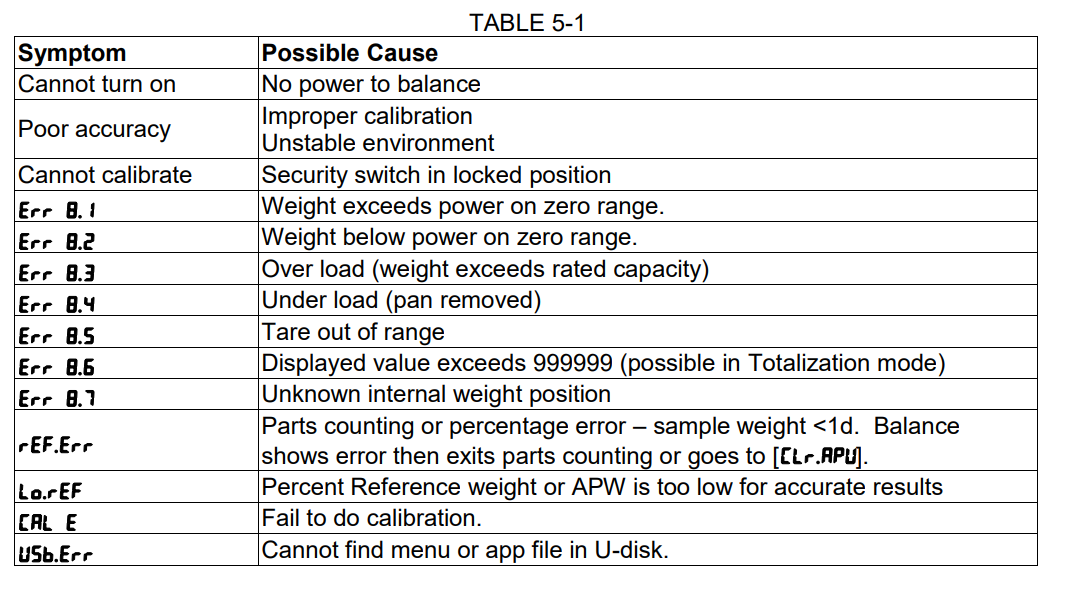
If the scale works once after battery reinsertion but never again, the issue is likely internal component failure rather than a simple power or contact issue.
Recognize the Intermittent Failure Pattern
This specific symptom has been reported across multiple brands:
“It only works when I remove and reinsert the battery. Just one time, then nothing.”
This pattern indicates:
• Failing voltage regulator
• Dying capacitor
• Cracked solder joints
• Degraded PCB traces
These are not user-repairable problems. Temporary resets don’t fix the root cause.
Check Model-Specific Fixes for Common Brands

Different brands have known issues and specific troubleshooting steps that work better than generic approaches.
Fix Taylor Scale “LO” Error
Symptom: “LO” appears then screen goes blank, even with new battery.
Cause: The voltage sensor detects low power, which could mean a faulty sensor or battery.
Action: Try multiple batteries from different brands. If “LO” persists, the internal sensor may be failing.
Warranty: Taylor offers one-year coverage. Contact support with proof of purchase.
Revive Wyze Scale Post-Battery Swap
Symptom: No power, no Bluetooth connection after battery change.
User Outcomes: Some users (irapit3) received a free replacement with no questions asked. Others (Trin76) were denied help.
Contact Wyze: Call (206) 339-9646 Monday through Friday 5 AM to 6 PM PT, or visit wyze.com/support.
Expert Note: Wyze often replaces units instead of repairing them. Accept the replacement offer if given.
Repair Starfrit Balance Scale
Issue: No weight display after battery change.
Root Cause: Oxidation on footpad contacts due to bathroom humidity.
Fix: Disassemble, clean contacts with fine sandpaper, then reassemble.
Success Rate: High, as verified by multiple user reports.
Know When to Replace the Scale Instead of Repairing
Not all failures can be fixed with troubleshooting. Replace the scale if:
• “LO” appears with multiple known-good batteries
• It works only once after reset, then fails again
• No response after full cleaning and 30-minute discharge
• Out of warranty and repair cost exceeds $20
Most digital scales are disposable electronics not designed for long-term repair. The cost of repair often exceeds the cost of replacement.
Prevent Future Failures With Proper Care
Extend your next scale’s life with these simple habits:
• Replace batteries proactively before total failure occurs
• Store in a dry area like a closet when not in use
• Wipe the base after use if your bathroom steams up
• Use quality batteries from Panasonic, Energizer, or Duracell
• Avoid dropping the scale, even from small heights
Contact Manufacturer Support for Warranty Claims
Most brands offer limited warranties that cover defects but not damage.
General Warranty Terms
• Duration: One year from purchase
• Covers: Defects in materials and workmanship
• Excludes: Water damage, physical abuse, normal wear and tear
How to File a Claim
- Gather proof of purchase (receipt or order number)
- Note the model and serial number (usually on the back)
- Try basic fixes first (battery, reset)
- Contact support via phone or website
- Describe symptoms clearly and concisely
Good News: Many companies like Wyze send replacements without requiring you to return the defective unit.
Frequently Asked Questions About Digital Scale Battery Issues
Why does my digital scale show “LO” even after I changed the battery?
The “LO” error means the scale’s voltage sensor detects insufficient power, even from a fresh battery. This could indicate a faulty battery, corroded contacts, or a failing internal sensor. Try a different brand of CR2032 battery first. If the error persists, cleaning the contact points or contacting warranty support may be necessary.
How long should I wait before reinserting the battery after removing it?
Wait at least 30 minutes for a full discharge. This allows capacitors to drain completely and resets the microcontroller. Some users report success with 5 to 10 minutes, but 30 minutes is the recommended standard to ensure the reset works properly.
Can I fix a digital scale that only works once after battery replacement?
This intermittent pattern usually indicates internal component failure like a failing voltage regulator, dying capacitor, or cracked solder joint. These are not user-repairable. Your best option is to contact the manufacturer for a warranty replacement if available.
Does reverse battery polarity damage the scale?
Reversing battery polarity typically won’t damage the scale, but it will prevent it from powering on. The positive side usually faces up in most models. Always check the orientation marked inside the compartment.
Why does my scale work on carpet but not on tile?
Soft surfaces like carpet interfere with the load cells’ ability to register weight accurately. Always place your scale on a hard, flat surface like tile or hardwood for accurate readings.
Key Takeaways for Fixing Your Digital Scale After Battery Change
A digital scale not working after battery change is usually fixable with a full reset or contact cleaning. Start by removing the battery for 30 minutes, then reinstall a fresh CR2032 from a reputable brand with the positive side facing up. Clean any visible corrosion from battery terminals and footpad contacts using fine sandpaper and isopropyl alcohol. If the scale only works once after battery reinsertion, shows “LO” with multiple good batteries, or fails repeatedly after thorough troubleshooting, internal damage is likely. In those cases, warranty replacement is your best and often only solution. Always start with the simplest fixes, and don’t assume the battery is to blame. Check the contacts, perform a full power cycle, and contact the manufacturer if the problem persists.