
You’ve built a strong presence on your Shopify store. Sales are growing. But you’re missing out. Customers are searching for your product on Amazon, scrolling through Instagram Shops, and comparing prices on Walmart. If you’re not there, someone else is.
Scaling multichannel selling isn’t just about listing your products in more places. It’s about expanding your reach without multiplying chaos. The brands that win are not the ones on the most platforms. They’re the ones who manage inventory, orders, and branding seamlessly across all of them.
Choose the Right Sales Channels Strategically
Not all channels are created equal. Adding platforms haphazardly leads to wasted effort and diluted focus. Instead, align each channel with your customer behavior, product type, and operational capacity.
Match Products to Platform Strengths
Different platforms attract different buyers. Optimize your mix by understanding where your product fits best.
Amazon works best for utility, everyday, or high-search-volume items. It requires strong keyword optimization and Prime eligibility to win the Buy Box.
Etsy is ideal for handmade, vintage, or niche craft products. Success comes from storytelling, SEO, and visual branding.
TikTok and Instagram Shops are perfect for lifestyle-driven, visually appealing products. Leverage short-form video and influencer content.
Walmart and Best Buy attract trusted, price-sensitive shoppers. They require competitive pricing and fast fulfillment.
Niche leaders like Ulta Beauty, MediaMarkt, and B&Q offer high consumer intent with category-specific traffic.
Prioritize Channels by Customer Behavior
Where do your ideal customers already shop? Start there. If your audience research shows they browse Instagram first, launch a Shopify plus Instagram Shopping integration. If they compare prices on Amazon before buying elsewhere, use Amazon for discovery and your owned site for conversion. For B2B or wholesale, consider distribution partnerships with retailers like Macy’s or Lowe’s.
Avoid spreading thin. One well-optimized channel beats five underperforming ones.
Evaluate Fulfillment and SLA Compatibility
Each marketplace has strict delivery promises. Before listing, ask if you can meet two-day shipping for Amazon Prime. Ask if you have local warehousing for Walmart’s fast delivery zones. Ask if your team can handle platform-specific return policies.
If not, start with channels that match your current logistics, like Etsy or your own site, before moving to high-pressure marketplaces.
Fix Inventory Sync Before Scaling
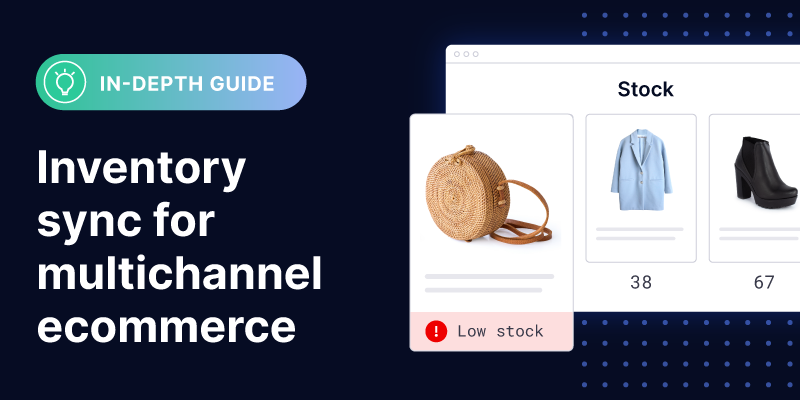
Overselling is the number one killer of multichannel growth. Selling an item on Amazon when it’s already sold on Shopify damages trust, triggers cancellations, and hurts seller ratings.
Prevent Overselling with Real-Time Sync
Manual stock updates fail at scale. Automated inventory synchronization ensures all channels reflect accurate stock levels.
Tools like QuickSync and Mirakl Seller Connector connect your Shopify store to four hundred plus marketplaces and update inventory in real time.
What to look for in inventory sync tools:
- Automatic stock deduction across all channels
- Low-stock alerts
- Buffer settings to avoid overselling during transit
Without this, you’re gambling with customer satisfaction.
Handle Split Inventory and Multiple Warehouses
As you grow, stock may be spread across your warehouse, Amazon FBA, third-party logistics providers, and retail partner backrooms. A centralized system must track inventory by location, allocate stock based on proximity to buyer, and support partial fulfillment.
Example: A customer orders three items. One ships from your warehouse, two from Amazon FBA. The system should auto-route without manual input.
Set Up Safety Stock and Reorder Triggers
Avoid stockouts with proactive planning. Define minimum stock levels per SKU. Set reorder alerts based on sales velocity. Use historical data to forecast demand spikes during holidays.
Pro Tip: Use tools like Synder Business Insights to analyze sales trends and predict inventory needs.
Centralize Order Management Across Platforms
Managing orders from Amazon, Etsy, Shopify, and Walmart in separate tabs is a recipe for missed shipments and angry customers.
Use a Unified Order Management System
A centralized order management system pulls all orders into one dashboard and automates order routing to the correct fulfillment center, label printing, carrier selection, and return processing.
Key Benefit: No more switching between dashboards. One view. One workflow.
Platforms like Cloud Commerce Pro handle high-volume operations and complex rules like prioritizing Prime orders or routing based on warehouse capacity.
Automate Order Routing by Rules
Set smart rules so the system decides where orders go. Ship from the closest warehouse to reduce delivery time. Prioritize FBA for Prime-eligible items. Route to third-party logistics when in-house stock is low. Block shipments if inventory doesn’t match.
Visual cue: Look for color-coded orders. Red for exceptions, green for auto-processed.
Handle Returns Consistently
Returns are inevitable. Make them painless by auto-generating return labels per channel’s policy, syncing return status across platforms, and restocking items automatically when received.
Warning: Inconsistent returns damage brand trust. A smooth return on Amazon shouldn’t be a nightmare on your Shopify site.
Automate Pricing and Promotions
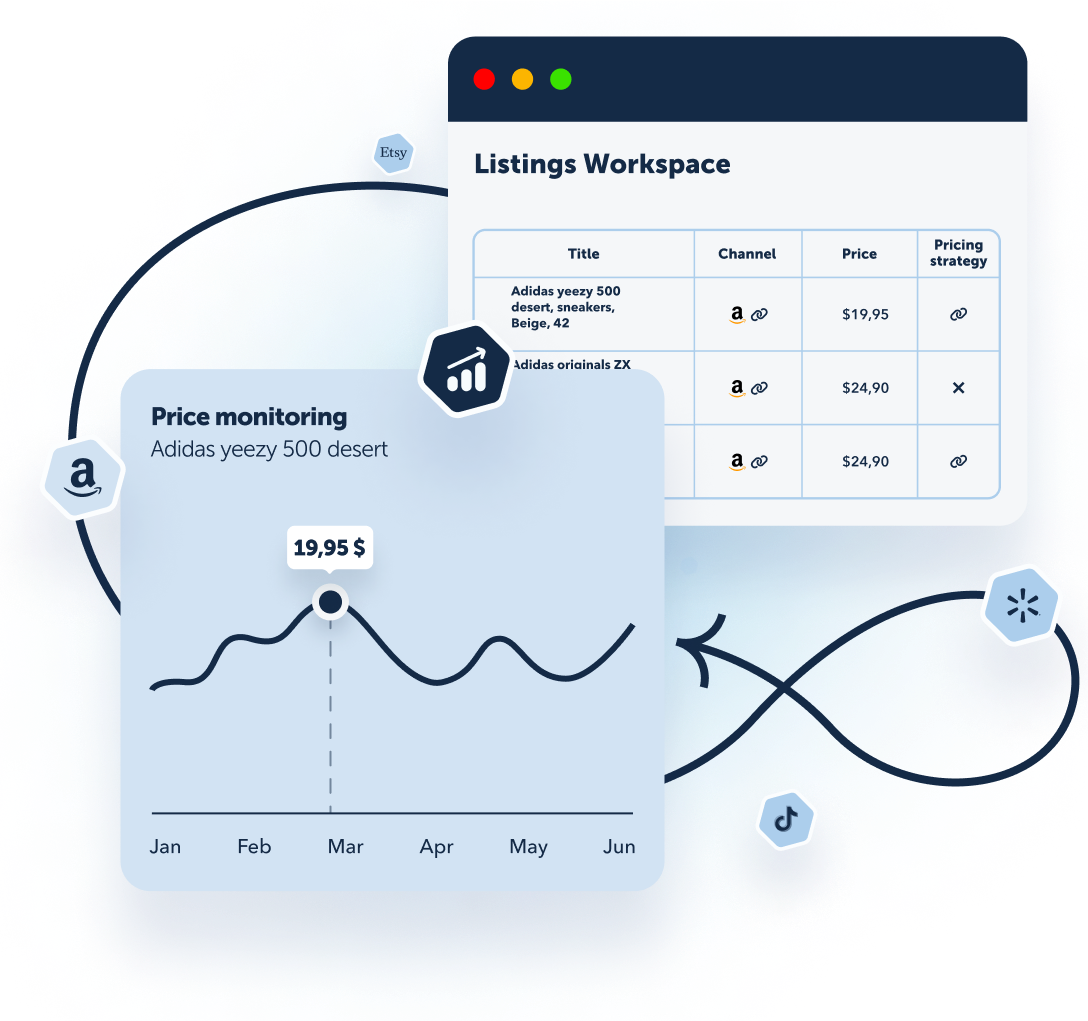
Manual price updates across ten channels mean delays, errors, and lost sales.
Sync Pricing in Real Time
Use tools that push price changes instantly to all connected platforms.
Why it matters: If a competitor drops prices on Amazon, you need to react fast.
Automated pricing solutions can monitor competitor prices, adjust your pricing based on rules like always five percent below competitor, and apply temporary discounts during promotions.
Caution: Avoid race-to-the-bottom pricing. Use value messaging to justify premium pricing on your own site.
Run Channel-Specific Promotions
Not every channel should run the same deal. Amazon works well with lightning deals or coupons within platform rules. Shopify is ideal for bundle discounts or free shipping to boost average order value. Instagram supports influencer-exclusive promo codes. Etsy highlights limited editions or handmade value.
Track promo performance per channel to double down on what works.
Streamline Product Listings and Content
Every marketplace has unique content rules. Doing this manually doesn’t scale.
Use Catalog Transformation Tools
Mirakl’s Catalog Transformer automatically converts your Shopify product data to meet each marketplace’s format.
It handles title length limits, image size requirements, required attributes like color and size, and SEO tags and category mappings.
Result: Launch on a new marketplace in under twenty-four hours, not months.
Localize for International Markets
Going global? Automate localization by translating product titles and descriptions, converting pricing to local currency, adjusting units like inches to centimeters, and complying with regional laws like GDPR and labeling requirements.
Example: Selling on MediaMarkt in Germany? Your listing must be in German, include VAT, and meet EU safety standards.
Maintain Brand Consistency Across Channels
Customers expect the same brand experience whether they buy from you on Amazon or your website.
Control Visual Identity
Even on third-party platforms, reinforce your brand. Use consistent logo placement in images. Apply color schemes in banners and product photos. Maintain tone of voice in descriptions.
Tip: On Amazon, use A+ Content to add branded visuals and storytelling.
Standardize Customer Experience
Deliver the same level of service everywhere. Offer the same return window like thirty days. Use the same packaging quality with branded boxes and thank-you notes. Maintain the same response time for customer inquiries under twelve hours.
Warning: A bad Amazon review can scare off website buyers. Monitor feedback across all channels.
Own the Relationship on Your Site
Your website is the only place you own the customer. Collect email and phone data at checkout. Offer loyalty programs and subscriptions. Send post-purchase follow-ups with care instructions or user-generated content requests.
Goal: Turn marketplace buyers into repeat customers on your site.
Invest in Scalable Technology Early
Don’t wait until you’re drowning in orders to fix your tech stack.
Start with Core Automation Tools
Implement these before adding your third channel.
Core tool categories and recommended platforms:
| Tool Type | Purpose | Recommended Platforms |
|---|---|---|
| Inventory Sync | Prevent overselling | QuickSync, Mirakl |
| Order Management | Centralize fulfillment | Cloud Commerce Pro, Connex |
| Analytics | Track ROI per channel | Synder, Glew |
| Listing Management | Auto-format content | Mirakl Seller Connector |
Expert Note: Cloud Commerce Pro isn’t for beginners. It’s built for brands with ten plus channels and thousands of SKUs.
Use Plug-and-Play Integrations
Avoid custom development. Choose tools with pre-built connectors for major platforms, no-code setup with drag-and-drop onboarding, and scalable architecture that handles ten times order spikes.
Example: Mirakl Seller Connector for Shopify launches in days, not months.
Monitor KPIs with Unified Dashboards
Stop exporting spreadsheets. Use tools like Synder Business Insights to see revenue by channel, top-selling SKUs, customer acquisition cost, and return rates.
Pro Tip: Set up alerts for anomalies like a sudden drop in Amazon sales.
Evaluate ROI and Optimize Regularly
Not all channels are profitable. Some drain resources for little return.
Track Profitability Per Channel
Calculate net profit after platform fees like fifteen percent on Amazon or five percent on Etsy, fulfillment costs including FBA shipping and returns, marketing spend on ads and influencer fees, and labor time spent managing listings.
Rule of Thumb: If a channel’s net margin is below fifteen percent, reevaluate.
Run Quarterly Channel Audits
Ask is this channel growing sales or just volume. Ask is customer acquisition cost increasing. Ask are returns higher than average. Ask is customer service load unsustainable.
Discontinue underperformers. Reinvest in high-margin channels.
Case Study: A brand dropped eBay after realizing forty percent of sales were returns. They redirected effort to TikTok Shop and doubled ROI.
Prepare for the Future of Multichannel Selling
The future belongs to brands that scale smart, not just big.
Automate with AI and Predictive Tools
Next-generation systems will forecast demand using AI, auto-adjust prices based on competition and inventory, suggest best channels for new products, and predict delivery delays and notify customers.
Early adopters win: Brands using AI pricing see ten to fifteen percent higher margins.
Blur the Line Between Multi and Omnichannel
Even in multichannel models, customers expect seamless experiences. They want the same price across platforms within reason. They expect unified loyalty programs. They need cross-channel support like buying on Amazon and returning on website.
The line between multichannel and omnichannel is fading. Integration is the new standard.
Scale Sustainably, Not Endlessly
Multi-channel isn’t the goal. Sustainable scale is.
Focus on reliability, not just reach. A system that handles five hundred orders per day with zero errors is better than one that struggles at one thousand.
Choose platforms built for boring, consistent performance, not just flashy features.
Frequently Asked Questions About Scaling Multichannel Selling
What is the best way to start scaling multichannel selling?
Start with your owned channel, typically your Shopify store. Once operations are stable, add one complementary channel like Amazon or Etsy. Resolve inventory, customer experience, and fulfillment issues before expanding further. This approach prevents operational chaos from multiplying across platforms.
How do I prevent overselling when selling on multiple marketplaces?
Use automated inventory synchronization tools like QuickSync or Mirakl Seller Connector. These tools connect your store to multiple marketplaces and update stock levels in real time. Look for features like automatic stock deduction across all channels, low-stock alerts, and buffer settings to avoid overselling during transit.
Which sales channels should I add first when scaling multichannel selling?
Prioritize channels where your target customers already shop. If your audience browses Instagram first, launch a Shopify plus Instagram Shopping integration. If they compare prices on Amazon, use Amazon for discovery and your owned site for conversion. Test demand on one marketplace before committing to multiple platforms.
How do I maintain brand consistency across different marketplaces?
Control visual identity by using consistent logo placement and color schemes across all platforms. Standardize customer experience with the same return window, packaging quality, and response times. Use A+ Content on Amazon for branded visuals. Your website remains the place to own the customer relationship through email collection and loyalty programs.
How do I calculate ROI for each sales channel?
Track net profit by subtracting platform fees, fulfillment costs, marketing spend, and labor time from gross revenue. Compare channels using this net margin. If a channel’s margin falls below fifteen percent, evaluate whether to continue or redirect resources to more profitable platforms.
Key Takeaways for Scaling Multichannel Selling Successfully
Scaling multichannel selling requires strategic channel selection, not just presence on every platform. Choose channels that align with your product type and where your target customers already shop. Implement inventory synchronization tools before adding your third channel to prevent overselling. Use centralized order management systems to automate routing and fulfill orders from one dashboard.
Invest in technology early with plug-and-play integrations that handle real-time sync across four hundred plus marketplaces. Maintain brand consistency by controlling visual identity and customer experience across all channels. Regularly evaluate ROI per channel and discontinue underperformers.
The goal isn’t being everywhere. It’s being in control everywhere. Build systems designed for scale, not just entry-level use. Focus on sustainable growth through automation and strategic expansion rather than endless channel proliferation.