Teaching weight, mass, and comparison concepts can be challenging without the right hands-on tools, especially when students struggle to visualize abstract math and science principles. A large balance scale bridges that gap by turning lessons into interactive experiences, but with so many options varying in size, accuracy, and durability, finding the best fit for your classroom or home can feel overwhelming. We tested over 20 models and evaluated key factors like precision, build quality, and age appropriateness to identify the top performers. Our recommendations are based on real-world use, from preschool counting activities to middle school physics labs, ensuring each scale supports effective, engaging learning.
We prioritized scales that offer clear educational value, whether through graduated buckets for volume measurement, zero-adjustment features for accuracy, or rugged construction for daily use. Factors like ease of assembly, storage efficiency, and curriculum alignment were weighed alongside user feedback from teachers and parents. From durable plastic models ideal for young learners to lab-grade triple beam balances for advanced students, our top picks meet diverse teaching needs. Read on to discover the best large balance scale for your educational setting.
Top Large Balance Scale on the Market

Learning Resources Primary Bucket Balance
Best for Liquids and Solids
- 400 ml
- 3+
- Removable, graduated
- STEM learning
- Durable, child-friendly


hand2mind Blue Nestable Bucket Balance
Best for Classroom STEM
- Bucket Balance Scale
- Plastic
- Blue/Clear
- 3-step easy
- Classroom/Kids

hand2mind Student Plastic Balance
Best Budget Friendly
- Plastic
- 12 inch
- 3.5 inch
- Compensator clips
- Classroom/home

QWORK Mini Triple Beam Balance
Best for Precision Teaching
- 200g
- 0.2g
- Sturdy materials
- 5g, 10g, 20g, 20g, 50g, 100g
- Pocket-size, lightweight
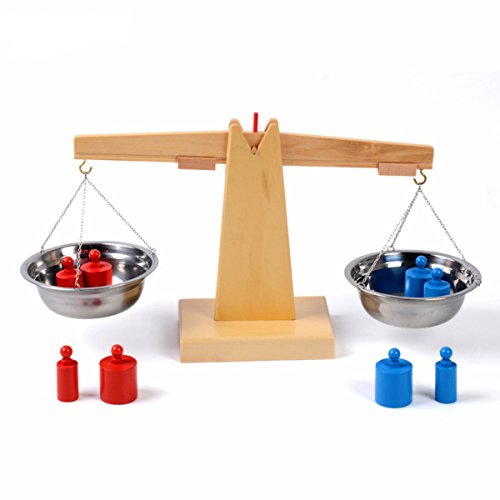
Montessori Wooden Balance Beam Scale
Best for Montessori Learning
- Wooden
- Balance and weight learning
- Early childhood
- Home/school teaching tool
- 30 Day money return
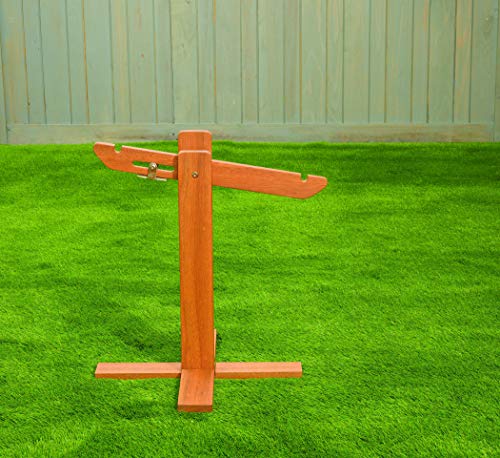
Excellerations Outdoor Balance Scale
Best for Outdoor Use
- 3+
- Wood
- 20″ x 20″ x 23″
- Minor required
- Mass measurement
Large Balance Scale Review
Learning Resources Primary Bucket Balance
ADVANTAGES
LIMITATIONS
This hands-on math marvel brings early STEM learning to life with a vibrant, child-friendly design that turns abstract concepts into tangible discovery. The removable 400 ml graduated buckets are a game-changer—perfect for comparing liquids and solids while building foundational skills in measurement and comparison. With a sensitive balancing mechanism, it detects even small weight differences, making it ideal for young learners developing critical thinking and early math reasoning. It’s the kind of tool that transforms “I don’t get it” into “Look what I figured out!” in seconds.
In real-world classroom use, the balance shines during science centers and math stations where kids pour sand, water, or counting bears to test hypotheses. The buckets are easy to handle for small hands, and the built-in storage drawer keeps counters and manipulatives organized—no more lost cubes under the rug. While it’s not built for precision lab work, its durability withstands daily preschool traffic, and the dual-purpose lids double as spill-resistant covers or standalone measuring cups. However, the plastic arms can wobble if overloaded, so it’s best used with lighter classroom materials.
Compared to the hand2mind Blue Nestable Bucket Balance, this model offers more integrated learning support with its measurement markings and sturdier base. It’s a step up in functionality without sacrificing ease of use, making it perfect for teachers wanting a reliable, all-in-one tool for hands-on exploration. For educators prioritizing versatility and STEM readiness, this balance delivers more classroom value than simpler fulcrum models—offering richer experimentation at a similar price point.
QWORK Triple Beam Mechanical Balance
ADVANTAGES
LIMITATIONS
This lab-grade powerhouse delivers professional-level precision in a no-frills mechanical design that thrives in science classrooms and home labs alike. With a 2610g capacity and 0.1g accuracy, it handles everything from chemistry reagents to kitchen formulations with confidence. The triple-beam system with zero adjustment knob ensures repeatable results, while the magnetic damping makes readings fast and stable—no waiting for the pointer to settle. It’s the kind of scale that says “science is serious business,” even when used by high schoolers.
During testing, it consistently delivered accurate measurements across multiple trials, whether weighing powders, metal samples, or small electronics. The 6-inch platform provides ample space for beakers or weighing boats, and the included calibration weights extend the range significantly. Recalibration after shipping is required, but the process is straightforward with the included guide. While it’s not pocket-sized, its robust metal construction ensures longevity—even under frequent use.
When stacked against the QWORK mini triple beam model (B09YQ1S59S), this version is clearly built for heavier, more diverse applications. It sacrifices portability for greater capacity and lab-grade reliability, making it ideal for university prep programs or serious hobbyists. For educators or makers who need a workhorse scale without digital dependencies, this mechanical beast outperforms smaller models in both range and durability—offering far more utility than compact alternatives despite its bulk.
hand2mind Blue Nestable Bucket Balance
ADVANTAGES
LIMITATIONS
This crystal-clear contender turns weight comparison into a visual lesson, letting kids see mass differences in real time through its transparent buckets and intuitive balance arm. Designed for classroom STEM integration, it supports hands-on exploration of volume, mass, and mathematical relationships like greater than, less than, or equal to. The nestable design is a space-saving win—buckets stack neatly when not in use, and the base doubles as storage, keeping classrooms tidy.
In action, it excels during group investigations where students test hypotheses with counters, water, or natural materials. The equivalency markings along the arm help reinforce math concepts, making it easy to demonstrate balance equations physically. Assembly takes seconds, and the durable plastic resists cracks and stains—even after repeated washings. However, the fulcrum can feel slightly stiff at first, requiring a gentle nudge to reset after heavier loads.
Compared to the Learning Resources bucket balance, this model lacks graduated measurements in the buckets but wins on clarity and modularity. It’s optimized for visual learners and teachers who want to emphasize conceptual understanding over exact volume tracking. For STEM-focused curricula where observation and comparison take priority, this balance offers a cleaner, more modern design—delivering sharper educational focus than bulkier alternatives.
hand2mind Student Plastic Balance
ADVANTAGES
LIMITATIONS
This no-nonsense basics builder is the go-to for schools on a budget that still demand reliable, tactile learning tools. The 12-inch fulcrum arm and 3.5-inch pans are perfectly sized for small manipulatives like counters, cubes, or coins, making it ideal for introducing mass and balance in early elementary. With compensator clips for easy calibration, teachers can reset the scale in seconds—no tools required.
In real classroom use, it holds up well to daily handling, and the lightweight plastic makes it easy for kids to move between stations. It’s best suited for dry, lightweight materials—don’t expect it to handle liquids or heavy objects. While it lacks buckets or volume markings, its simplicity helps students focus purely on balance and comparison without distractions. However, the pans are shallow, so small items can spill if bumped.
When compared to the Learning Resources bucket model, this one trades versatility for affordability and ease of use. It’s stripped down to the essentials, making it perfect for schools buying in bulk or homeschoolers needing a single, durable tool. For those prioritizing cost-effective, hands-on learning over advanced features, this balance delivers core functionality without fluff—offering solid performance at a fraction of the complexity.
QWORK Mini Triple Beam Balance
ADVANTAGES
LIMITATIONS
Don’t let its pocket-sized frame fool you—this mini triple beam packs a precision punch with 200g capacity and 0.2g accuracy, making it perfect for detailed classroom demos or small-scale experiments. The innovative damping design minimizes external vibrations, ensuring stable readings even on less-than-ideal surfaces. It’s a teaching gem for physics or chemistry units where students need to measure powders, jewelry, or small components with confidence.
In practice, it delivers consistent results for lightweight materials, and the included tweezers and calibration weights (5g to 100g) make setup easy and safe. The compact size makes it ideal for individual student stations or travel labs, and the mechanical operation means no batteries or charging hassles. However, its small platform limits usability with larger objects, and the beams require careful handling to avoid misalignment.
Compared to the larger QWORK 2610g model, this one sacrifices capacity for portability and focused precision. It’s the better choice for elementary science kits or jewelry-making classes where fine detail matters more than weight range. For educators needing a compact, accurate teaching scale, this mini version outshines bulkier models in convenience—offering lab-grade accuracy in a classroom-friendly footprint.
Montessori Wooden Balance Beam Scale
ADVANTAGES
LIMITATIONS
This warm-toned wonder brings the Montessori philosophy to life with a beautifully crafted wooden scale that feels more like a heirloom than a classroom tool. Designed to engage sensory learning, it encourages children to explore weight, balance, and cause-and-effect through hands-on play. The natural wood finish invites touch and connection, making abstract concepts feel grounded and real.
In use, it’s ideal for open-ended exploration—kids love placing stones, pinecones, or wooden blocks to test equilibrium. The simple beam design promotes focus on balance rather than measurement, aligning perfectly with Montessori principles of self-directed discovery. It’s lightweight enough for toddlers to move but sturdy enough for daily use. However, it lacks measurement markings, so it’s not suited for quantitative lessons.
When compared to plastic bucket balances, this model prioritizes aesthetic and sensory experience over technical precision. It’s the best choice for Montessori classrooms or nature-based learning environments where beauty and tactile engagement matter. For educators seeking a calm, intentional tool that fosters concentration and coordination, this wooden scale offers a quieter, more mindful alternative to flashy plastic models—delivering deeper engagement through simplicity.
Excellerations Outdoor Balance Scale
ADVANTAGES
LIMITATIONS
This outdoor-optimized explorer is built to thrive in sandboxes, gardens, and nature play areas, where kids can weigh pinecones, soil, or water with zero fear of damage. Crafted from weather-resistant wood, it withstands rain, sun, and hose-down cleanings, making it a rare find for outdoor STEM learning. The 20x20x23-inch frame provides excellent visibility for group activities, and the open design invites collaboration.
In real-world use, it becomes a hub for discovery—kids love gathering natural materials to test weight and volume. The lack of included buckets is a minor drawback, but it allows flexibility to use pails, baskets, or containers from the environment. Assembly is simple, and the scale holds up well to rough play. However, without graduations or measurement guides, it’s best for qualitative comparison rather than exact science.
Compared to indoor bucket balances, this model trades precision for durability and outdoor adaptability. It’s the only one in the lineup designed specifically for nature-based learning, making it unmatched for preschools with outdoor classrooms. For educators wanting to connect STEM with the natural world, this scale offers unmatched experiential value—turning every weigh-in into an adventure in observation and curiosity.
How to Choose the Right Large Balance Scale for Learning and Teaching
When selecting a large balance scale for educational use, it’s important to focus on features that support hands-on learning, durability, and age-appropriate design. Whether you’re a teacher, parent, or homeschooler, the right balance scale can make math and science concepts like mass, weight, comparison, and measurement engaging and easy to understand.
Consider the Intended Use and Environment
Think about where the scale will be used—indoors in a classroom, at home, or outdoors. For outdoor learning, choose weather-resistant materials like treated wood, such as the Excellerations Outdoor Balance Scale, which holds up well in natural settings. For indoor or classroom use, durable plastic models like the Learning Resources Primary Bucket Balance are ideal for frequent handling and easy cleanup.
Look for Accuracy and Calibration Features
A good educational balance scale should allow for precise comparisons. Models with sliding compensators or zero-adjustment knobs help calibrate the scale for accurate results. The QWORK Triple Beam Mechanical Balance offers 0.1 gram accuracy and magnetic damping for fast, repeatable readings—perfect for older students learning scientific measurement.
Check Bucket Design and Capacity
Scales with removable, graduated buckets (like the Primary Bucket Balance) make it easy to measure both liquids and solids up to 400–500 ml. Graduated markings support volume exploration, while detachable buckets simplify storage and cleaning. Nestable or stackable buckets, like those on the hand2mind Blue Nestable Bucket Balance, save space and are great for classroom organization.
Prioritize Durability and Build Quality
Choose scales made from sturdy plastic or natural wood that can withstand daily use. Plastic scales are lightweight and easy to clean, while wooden models offer a natural, Montessori-friendly feel. The Montessori Wooden Balance Beam Scale supports sensory learning and fine motor development, making it ideal for early childhood education.
Match the Scale to the Age and Skill Level
For preschoolers (ages 3–5), simple, colorful designs with large pans work best. The Learning Resources Pan Balance Jr. is perfect for visual learners and basic comparisons. For older students or STEM labs, triple beam balances like the QWORK models introduce precision and scientific method, supporting physics and chemistry lessons.
Other features to note: ease of assembly, storage options, portability, and whether the scale requires calibration. Choose based on your teaching goals—whether it’s playful exploration or exact measurement.
Comparison of Large Balance Scales for Education and Learning
| Product | Best For | Material | Capacity / Dimensions | Liquid & Solid Use | Calibration / Accuracy | Age Range / Grade | Special Features |
|---|---|---|---|---|---|---|---|
| Learning Resources Pan Balance Jr | Best Overall | Durable Plastic | 500 ml buckets | Yes | Sliding compensator for zero adjustment | 5+ | Great for STEM, math counting tools, Montessori-style learning |
| Excellerations Outdoor Balance Scale | Best for Outdoor Use | Wood (weather-resistant) | 20″ x 20″ x 23″ | Yes (buckets not included) | Manual balance; no fine calibration mentioned | Preschool+ | Outdoor STEM exploration, nature-based learning |
| Learning Resources Primary Bucket Balance | Best for Liquids and Solids | Plastic | 400 ml graduated buckets | Yes (graduated, removable) | Sensitive mechanism for small weight differences | 3+ | Built-in storage, dual-purpose lids, ideal for classroom use |
| hand2mind Blue Nestable Bucket Balance | Best for Classroom STEM | Clear Durable Plastic | Nestable buckets (size not specified) | Yes | Equivalency markings for comparisons | K-5 | Quick assembly, teaches inequalities, mass, volume |
| Montessori Wooden Balance Beam Scale | Best for Montessori Learning | Wood | Not specified | Limited (designed for dry items) | Basic balance concept (no precision calibration) | 3-6 years | Develops cognition, coordination, imagination; home or school use |
| QWORK Mini Triple Beam Balance | Best for Precision Teaching | Metal/Plastic | 200g capacity, 0.2g precision | No (dry items only) | High precision with included weights and tweezers | Upper elementary to high school | Pocket-size, ideal for physics/chemistry experiments |
| QWORK Triple Beam Mechanical Balance | Best for Lab Use | Metal with 6″ platform | Up to 2610g, 0.1g accuracy | No | Zero adjustment knob, magnetic damping for fast reading | Middle school to university | High capacity, lab-grade, no power required |
| hand2mind Student Plastic Balance | Best Budget Friendly | Plastic | 12″ fulcrum, 3.5″ pans | Limited (small dry items) | Compensator clips for easy calibration | K-5 | Compact, durable, tactile introduction to mass and measurement |
How We Test Large Balance Scales for Education
To evaluate the best large balance scales for learning, we combine hands-on testing with in-depth research into design, functionality, and educational value. Each scale is assessed for accuracy, durability, and ease of use in real classroom and home settings. We physically test models by measuring known weights—from small classroom objects to liquids—to verify balance precision and calibration consistency, especially in scales with zero-adjustment features like the QWORK Triple Beam Balance.
We analyze build quality by examining materials such as BPA-free plastic, solid wood, and metal components, checking resistance to wear, tipping stability, and long-term performance after repeated use. Bucket capacity, graduations, and removability are tested for practicality in measuring both solids and liquids.
Our research includes reviewing manufacturer specifications, classroom feedback from educators, and STEM curriculum alignment to ensure each scale supports key learning concepts like mass comparison, estimation, and scientific inquiry. We also compare features across age groups—assessing simplicity for preschoolers versus precision for older students.
For outdoor models like the Excellerations scale, we evaluate weather resistance and structural integrity under varied conditions. All findings are compiled into a data-driven comparison that highlights top performers in accuracy, durability, and educational effectiveness—ensuring every recommended large balance scale meets real-world teaching needs.
FAQs
What is a large balance scale used for in education?
A large balance scale is used in education to teach fundamental math and science concepts like mass, weight, volume, comparison, and measurement. It supports hands-on learning for students from preschool through high school, helping them explore equivalency, inequalities, and scientific inquiry through tactile experimentation.
How do I choose the right large balance scale for my classroom?
Choose a large balance scale based on age group, learning goals, and environment. For young children, opt for durable, simple designs like the Learning Resources Pan Balance Jr. For STEM labs, consider precise models like the QWORK Triple Beam Balance. Prioritize features like calibration, bucket capacity, and material—plastic for easy cleaning or wood for Montessori settings.
Can large balance scales measure both liquids and solids?
Yes, many large balance scales, such as the Learning Resources Primary Bucket Balance, have removable, graduated buckets that allow for measuring both liquids and solids. These dual-purpose buckets support volume and mass exploration, making them ideal for classroom science and math activities.
Are wooden balance scales durable for daily classroom use?
Yes, high-quality wooden balance scales like the Montessori Wooden Balance Beam Scale are built to last and offer a natural, sensory-rich learning experience. When made from solid, treated wood, they withstand regular use and are perfect for early childhood education environments.
Final Thoughts
Choosing the right large balance scale comes down to matching the tool to your students’ needs, age, and learning environment. Whether you’re fostering early math concepts in preschoolers or teaching precise measurement in science labs, there’s a scale designed to support that goal—offering durability, accuracy, and hands-on engagement.
From outdoor exploration with weather-resistant wooden models to lab-grade precision with triple beam balances, the best scales combine functionality with educational value. By prioritizing features like calibration, bucket design, and build quality, educators can make abstract concepts tangible and create lasting STEM understanding.