You’ve stepped on a smart scale, entered your personal details, and moments later it reports your body fat, muscle mass, and even protein levels. But how can a scale measure protein? It seems impossible for a simple bathroom device to analyze something as specific as your body’s protein content without blood tests or lab equipment. Yet, many smart scales claim to do just that. The truth lies not in direct measurement but in estimation, using advanced algorithms and bioelectrical impedance analysis to calculate body composition, including protein.
While these scales don’t measure protein the way a lab would, they estimate lean body mass and then infer protein content based on scientific models of human physiology. Skeletal muscle, organs, and other lean tissues are rich in protein, making up about 16 to 20 percent of total lean mass. By estimating lean mass, smart scales approximate how much of your body weight comes from protein-rich tissue. This isn’t a direct biochemical assay, but rather a calculated insight derived from electrical signals and population-based data.
How Bioelectrical Impedance Works
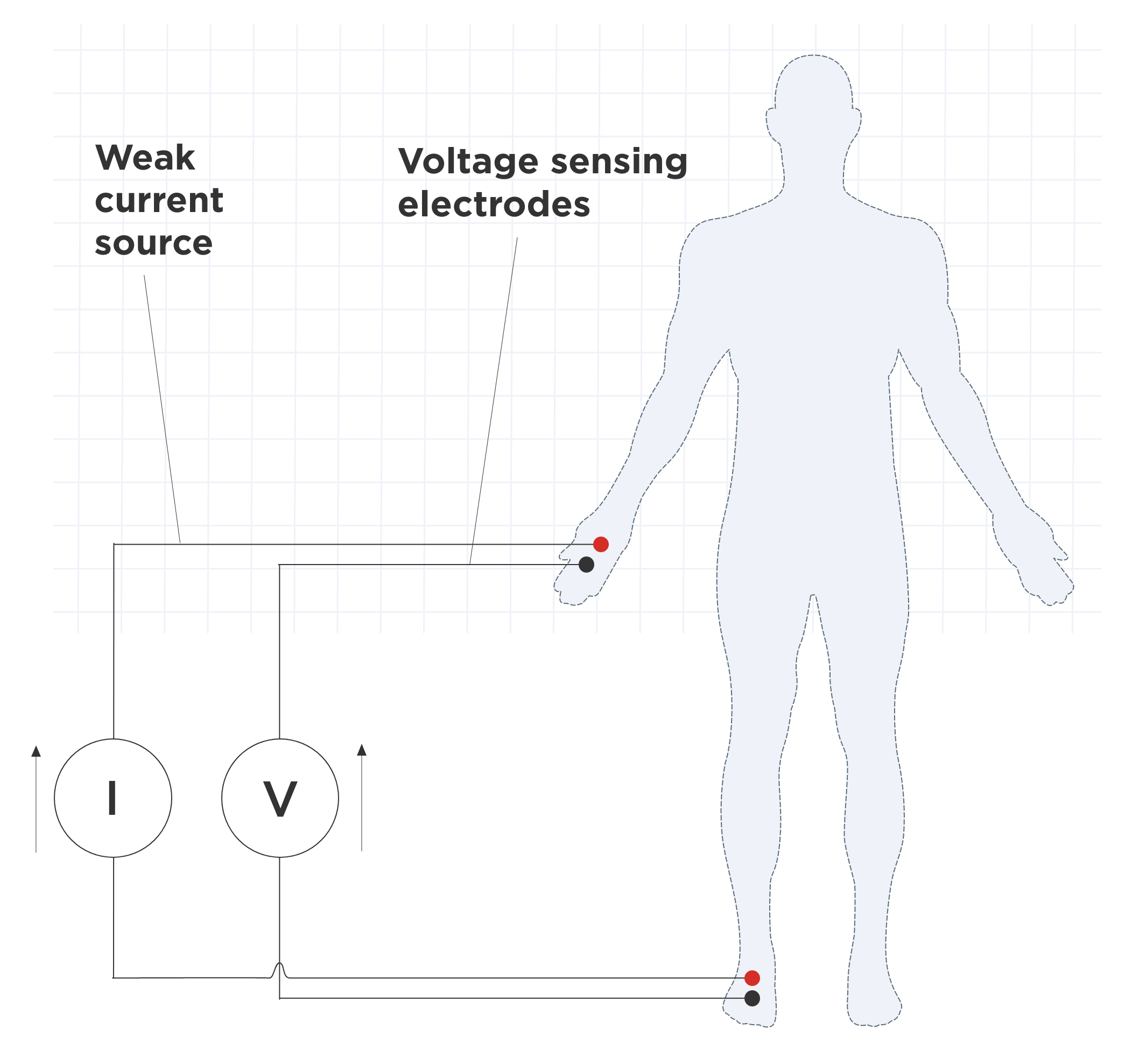
Smart scales estimate body composition by sending a weak electrical current through your body, a method called bioelectrical impedance analysis. This current travels more easily through tissues with high water and electrolyte content, like muscle, than through fat, which resists electrical flow.
The Science Behind BIA
When you stand barefoot on a smart scale, small electrodes under your feet send a safe, low-level alternating current up one leg, across the pelvis, and down the other. The speed and resistance of this current, called impedance, are measured. Higher impedance indicates more fat mass. Lower impedance suggests greater lean mass.
Muscle tissue contains about 75 percent water and significant electrolytes, making it highly conductive. Fat tissue, being less hydrated and more insulating, slows the current. Using this principle, the scale calculates total body water, then estimates fat-free mass, which includes muscle, organs, bones, and body water.
Factors Affecting Accuracy
Several variables influence BIA readings. Dehydration increases impedance, making you appear leaner than you are. Morning readings often show higher fat percentages due to fluid shifts overnight. Recent meals or workouts alter fluid distribution, skewing results. Dry or thickened skin may reduce conductivity.
For consistent tracking, measure at the same time daily, ideally in the morning after using the bathroom and before eating.
Estimating Protein From Lean Mass

Since no consumer scale can directly measure protein molecules, they rely on indirect estimation models based on lean body mass.
Why Lean Mass Correlates With Protein
The human body contains approximately 10 to 12 kg of protein in adults, mostly within skeletal muscle, connective tissue, and organs. About 16 to 20 percent of fat-free mass is actual protein, with the rest being water and minerals. Smart scales use this physiological constant to estimate total body protein.
For example, if a person has 60 kg of lean mass, the scale might calculate protein as 60 kg times 0.18, which equals 10.8 kg of estimated body protein. This value isn’t measuring amino acids or nitrogen balance. It’s an extrapolation from lean mass, assuming typical hydration and tissue composition.
Limitations of the Model
The 16 to 20 percent rule assumes average cellular health and hydration. Conditions like edema, sarcopenia, or malnutrition distort the ratio. Athletes with higher muscle density may have more protein per kg of lean mass, while older adults may have less. Thus, the estimate becomes less accurate in non-average populations.
What Smart Scales Actually Display
Most apps and devices list body protein as a percentage or absolute weight, but the terminology varies and can be misleading.
Interpreting the Protein Number
Some scales show protein in kilograms or pounds as estimated total body protein weight. Others show protein ratio as a percentage of total weight. A reading of 11 kg protein doesn’t mean the device analyzed your amino acid pool. Instead, it reflects a derived value from BIA data and preset algorithms.
Brands That Report Protein
Popular models that include protein estimates include Withings Body+ and Body Scan, Fitbit Aria Air and Sense 2, Renpho ES-SCALE-13M, and Eufy Smart Scale P1. These brands use proprietary algorithms, often calibrated to reference populations. While convenient, their estimates should be viewed as trends, not clinical diagnostics.
Can Scales Replace Lab Tests
No. Smart scales cannot replace blood tests or nitrogen balance studies used in clinical settings.
Clinical vs. Consumer Methods
Hospitals assess protein status through serum albumin and prealbumin levels, nitrogen excretion tests, and dual-energy X-ray absorptiometry. These measure actual protein metabolism or precise lean tissue distribution. In contrast, smart scales offer trend-based approximations, useful for tracking changes over time, not diagnosing deficiency.
When Scale Data Falls Short
Smart scales fail to detect acute protein deficiency such as kwashiorkor, organ-specific protein loss, and changes in plasma proteins. They also cannot distinguish between functional protein and structural muscle mass. A person losing muscle due to illness may still register normal protein if hydration masks the loss.
Improving Measurement Reliability
While no home scale offers lab-grade precision, you can improve consistency and usefulness.
Best Practices for Accurate Tracking
To get reliable trend data, weigh daily at the same time, preferably morning. Stand barefoot with clean, dry feet. Avoid measuring post-exercise or post-meal. Stay hydrated consistently. Use the protein reading as part of a broader picture, not in isolation.
Pair With Other Metrics
Combine scale data with diet logs tracking protein intake, strength performance monitoring gym progress, waist circumference measurements, and photographs. Trends across multiple indicators give a clearer view than any single number.
Who Should Use Protein Tracking
Certain users benefit most from monitoring estimated body protein.
Fitness Enthusiasts and Athletes
Bodybuilders and strength trainers use protein trends to gauge muscle retention during cuts or gains in bulking phases. A steady or increasing protein estimate suggests effective training and nutrition. However, rapid changes are likely due to fluid shifts, not actual muscle growth. Look for gradual upward trends over weeks, not day-to-day spikes.
Older Adults Monitoring Muscle Health
Sarcopenia, the age-related loss of muscle, often begins after 50. Tracking lean mass and estimated protein helps older adults assess the effectiveness of resistance training and protein supplementation. A declining trend may prompt earlier intervention, such as increasing protein intake to 1.2 to 2.0 g/kg/day or starting strength exercises.
Alternatives to Smart Scale Estimates
For more accurate body composition analysis, consider clinical or advanced tools.
DEXA Scans: Gold Standard for Lean Mass
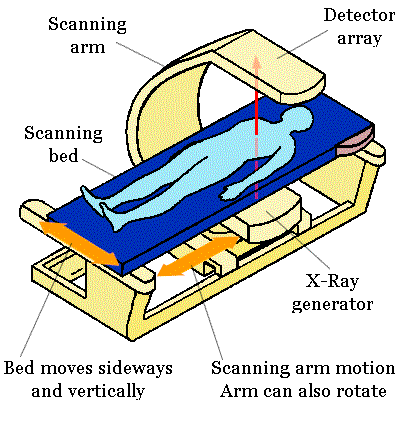
Dual-energy X-ray absorptiometry scans separate fat, lean, and bone mass with high precision. While they don’t directly report total body protein, lean mass data can be used similarly, with better accuracy than BIA. DEXA is especially useful for detecting visceral fat, measuring regional muscle loss, and tracking small changes over time. Drawbacks include cost of 100 to 200 per scan and limited availability.
InBody and Professional BIA Devices
Devices like InBody 570 or 770 use multi-frequency BIA and segmental analysis for more accurate lean mass estimates. They’re found in clinics, gyms, and some wellness centers. These systems apply better modeling and often include cellular health scores and phase angle measurements, indicators of cell membrane integrity linked to protein status.
Key Takeaways for Understanding Protein Readings
Smart scales estimate protein indirectly by calculating lean mass via bioelectrical impedance and applying a standard physiological ratio. They don’t measure protein like a lab test, but they can help track long-term trends when used consistently. Understand that protein readings are estimates, not direct measurements. Hydration affects results more than actual protein changes. Day-to-day fluctuations are normal and often misleading. Use your smart scale as a motivational tool and general guide, not a diagnostic device. For true protein assessment, consult a healthcare provider and consider blood work or DEXA scanning.
If you’re optimizing nutrition, building muscle, or aging proactively, tracking estimated protein alongside diet, activity, and strength gives valuable insights. Just remember, the number on the scale is a clue, not a conclusion.
Frequently Asked Questions About Smart Scale Protein Measurements
Can a smart scale actually measure protein in my body?
No, smart scales cannot directly measure protein molecules. They estimate protein by calculating lean body mass through bioelectrical impedance analysis and then applying a standard physiological ratio. The human body contains approximately 16 to 20 percent protein in fat-free mass, which is how scales derive their protein estimates.
Why does my protein percentage change daily?
Daily fluctuations in protein readings are primarily caused by changes in hydration status. Dehydration increases electrical impedance, making you appear to have more lean mass and therefore more protein. Recent meals, workouts, and even time of day can shift fluid distribution, causing the estimated protein to vary significantly from day to day.
Which smart scales provide the most accurate protein estimates?
Premium devices like Withings Body Scan and InBody professional analyzers tend to provide more reliable estimates due to better algorithms and multi-frequency technology. However, even the best consumer-grade devices offer approximations rather than precise measurements. For accurate protein assessment, clinical methods like DEXA scans or blood tests are recommended.
How often should I weigh myself to track protein trends?
Weigh yourself at the same time each day, preferably in the morning after using the bathroom and before eating or drinking anything. Consistency is more important than frequency for tracking meaningful trends. Look for gradual changes over weeks rather than obsessing over daily fluctuations.
Should I trust my smart scale protein reading for fitness goals?
Smart scale protein readings are useful for tracking general trends over time, but they should not be used as the sole metric for fitness goals. Pair scale data with strength performance tracking, diet logs, and measurements like waist circumference. For clinical protein assessment or diagnosing deficiency, consult a healthcare provider for proper testing.