You are eating less, tracking calories, and staying consistent. Yet the scale climbs higher each morning. Frustrating? Absolutely. But a rising scale in a calorie deficit does not mean you are gaining fat. In fact, it often signals positive changes your body is making that the scale simply cannot measure accurately.
This guide will help you decode what is really happening when the scale rises, identify the most likely culprits, and show you how to track progress more effectively so you do not quit at the worst possible time.
Water Retention: Why the Scale Spikes

Water retention is the number one reason the scale rises during fat loss. Daily fluctuations of two to five pounds are completely normal and temporary. These shifts have nothing to do with fat and everything to do with hydration, diet, and hormones.
Glycogen Stores Pull in Water
When you eat carbohydrates, your body stores them as glycogen in muscles and the liver. For every one gram of glycogen, your body holds three to four grams of water. After low-carb dieting, refeeding carbs rapidly refills glycogen stores. Adding four hundred grams of carbs means roughly four hundred grams of glycogen plus one thousand two hundred to sixteen hundred grams of water, adding three and a half pounds overnight.
High Sodium Triggers Fluid Retention
Salt disrupts fluid balance. When sodium intake spikes from takeout or processed snacks, your kidneys retain water to maintain electrolyte levels. A single high-salt meal can cause a two to five-pound increase within twenty-four to forty-eight hours. Processed foods like canned soups, deli meats, and sauces are the main culprits.
Hormones Cause Water Swelling
Cortisol rises with chronic stress, poor sleep, or overtraining, increasing antidiuretic hormone and causing water retention. For women, the luteal phase of the menstrual cycle triggers fluid retention of two to five pounds, typically resolving within one to three days of menstruation starting.
Post-Workout Inflammation Adds Temporary Weight
Resistance training damages muscle fibers slightly, triggering inflammation and fluid influx to repair tissue. This beneficial water weight lasts forty-eight to seventy-two hours and may increase scale weight temporarily, especially after heavy lifting sessions.
Muscle Gain Masks Fat Loss on the Scale
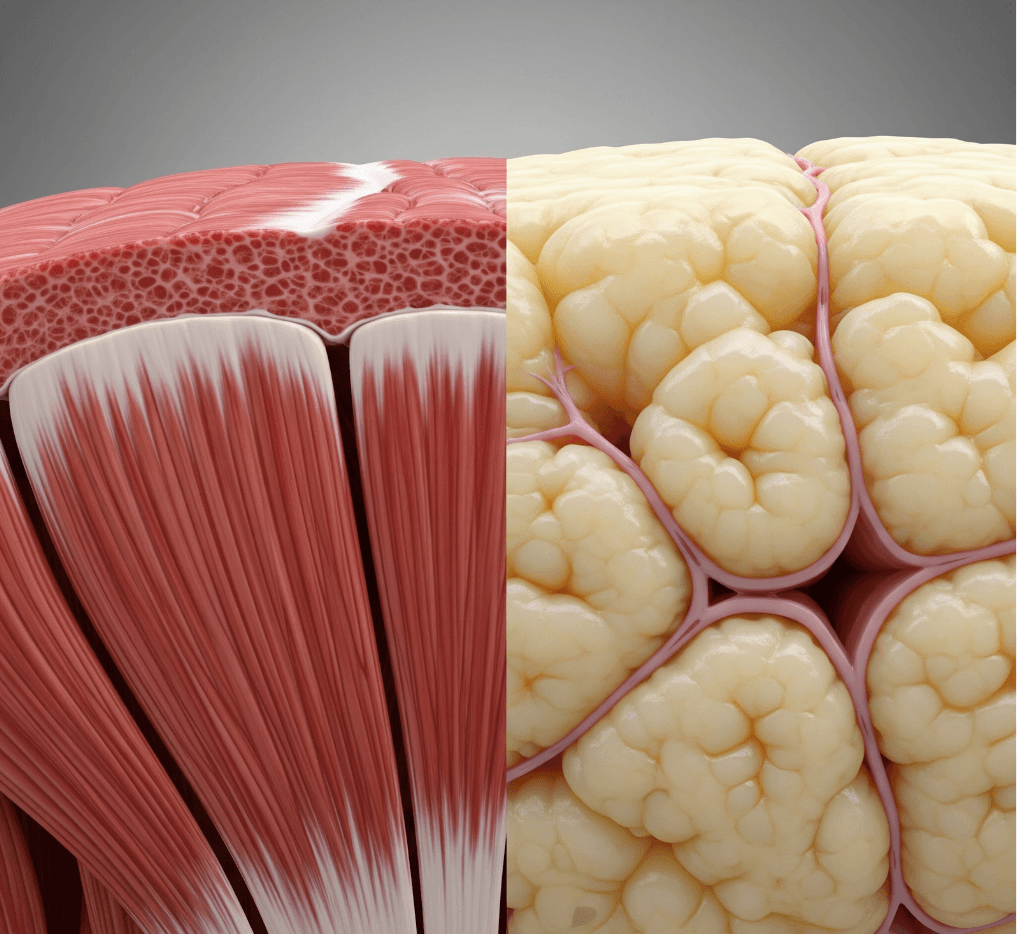
It is possible and scientifically proven to lose fat while gaining muscle at the same time, even in a calorie deficit. This is called body recomposition, and it can make the scale rise while you are actually getting leaner.
Who Benefits Most from Recomposition
Beginners or those returning after a break see the most dramatic results. Lifters using progressive overload and people eating adequate protein while sleeping well also benefit significantly. A twelve-week study found participants lost nine point three pounds of fat and gained eight point eight pounds of muscle in a deficit.
Why the Scale Rises
Muscle is denser than fat, meaning one pound of muscle takes up less space than one pound of fat. Losing three pounds of fat while gaining three pounds of muscle results in no scale change, but your body composition improves dramatically.
Digestive Content Creates False Weight
Your digestive tract holds food, fluid, and waste, contributing directly to scale weight. A large meal can add two to three pounds of digestive mass. High-fiber foods like salads, vegetables, and legumes increase gut content weight significantly. Constipation from low fluid intake or low activity can trap an additional two to three pounds of waste.
Weighing after dinner or before a bowel movement gives inflated readings. For the most accurate baseline, weigh first thing in the morning after using the bathroom and before eating or drinking.
Tracking Errors Hide True Calorie Intake
Many people believe they are in a calorie deficit but are not. Studies show people underreport intake by thirty to fifty percent, and fitness trackers overestimate burn by up to ninety percent.
Hidden Calories Add Up Fast
Commonly missed items include cooking oil, dressings and sauces, snacks and tastes, and alcohol. One tablespoon of olive oil contains one hundred twenty calories. Two tablespoons of ranch dressing contains one hundred forty calories. These hidden calories easily add three hundred to five hundred calories per day, enough to stall or reverse fat loss.
Exercise Calories Are Often Earned Back
If your maintenance is twenty-two hundred calories and you burn three hundred calories exercising, but then eat back those three hundred calories, you are eating at maintenance with no deficit at all.
Stress and Poor Sleep Undermine Fat Loss
Sleeping less than six hours disrupts key hormones that control hunger and metabolism. Ghrelin increases while leptin decreases, leading to increased appetite and reduced fullness signals. Cortisol rises, causing water retention, cravings, and fat storage. One study found people sleeping five and a half hours versus eight and a half hours lost the same weight but fifty percent less fat mass when sleep-deprived.
Chronic stress promotes visceral fat storage, reduces NEAT, and triggers emotional eating. Prioritizing seven to nine hours of sleep and using stress management tools like meditation or deep breathing supports fat loss.
Metabolic Adaptation Slows Progress
As you lose weight, your body becomes more efficient, burning fewer calories at rest and during activity. This is adaptive thermogenesis, not starvation mode.
Your Body Adjusts to Lower Weight
A smaller body requires fewer calories. Your basal metabolic rate drops as weight decreases. You also move less unconsciously, reducing non-exercise activity thermogenesis by one hundred to five hundred calories daily without awareness. Hormonal shifts increase hunger while lowering metabolism.
You cannot gain fat in a true calorie deficit. However, metabolic adaptation can make fat loss extremely slow, feeling like a complete stall. Recalculate your TDEE every eight to ten pounds lost and adjust intake downward by one hundred to two hundred calories if stalled for more than four weeks.
Medical Conditions Can Cause Scale Increases
Several health conditions may reduce metabolism or impair fat mobilization. Hypothyroidism slows basal metabolic rate and requires blood testing for diagnosis. PCOS causes insulin resistance, making fat loss more difficult. Certain medications cause fluid retention, including corticosteroids, antidepressants, antipsychotics, and calcium channel blockers.
If you have been in a verified deficit for four or more weeks with no progress, consult a healthcare professional for bloodwork to check thyroid function, fasting insulin, and sex hormones.
Track Progress Beyond the Scale
Relying only on the scale leads to frustration and misinterpretation. Use multiple metrics to assess true progress.
Better Ways to Measure Success
Track weekly weight averages by averaging seven daily morning weights and comparing week to week rather than day to day. Take body measurements weekly at the same time using a soft tape. Progress photos taken every two weeks in consistent lighting show visual changes often before the scale moves. Notice when clothing fits differently, as this provides real-world proof of fat loss. Strength and performance improvements indicate muscle gain and metabolic health.
What to Do When the Scale Rises
Follow this step-by-step response plan when the scale increases.
First, wait seven to fourteen days before panicking over one spike, as water normalizes quickly. Second, review your recent diet for high sodium, high carb meals, or alcohol consumption. Third, audit your tracking accuracy by weighing all food and stopping the habit of eating back exercise calories. Fourth, check sleep and stress levels, aiming for seven or more hours of sleep nightly. Fifth, recalculate your TDEE based on current weight and lower intake if stalled for more than four weeks. Sixth, take measurements and photos to confirm fat loss is occurring even when the scale does not show it.
Sustainable Fat Loss Strategies
Focus on diet, exercise, and lifestyle factors that support long-term success.
Protein intake of one point six to two point two grams per kilogram daily preserves muscle mass. Maintain a deficit of two hundred to five hundred calories below TDEE. Fiber intake of twenty-five to thirty-five grams daily keeps you full and supports digestion. Hydration of two and a half to three and a half liters of water daily reduces water retention. Limit alcohol as it provides empty calories and disrupts fat burning.
Strength train three to five times weekly to build muscle and boost metabolism. Add moderate cardio of one hundred fifty to three hundred minutes per week. Increase NEAT by walking more, standing often, and staying active throughout the day.
Prioritize seven to nine hours of sleep nightly and practice stress management through yoga, nature walks, or breathing exercises.
Frequently Asked Questions About Scale Going Up in Calorie Deficit
Why did I gain weight overnight if I am in a calorie deficit?
You cannot gain significant fat mass overnight. Any sudden increase is one hundred percent water, food, or waste, not fat. Glycogen refilling, sodium intake, and hormonal fluctuations all cause temporary spikes that resolve within days.
How long does water retention last after starting a calorie deficit?
Water retention from glycogen refilling typically normalizes within two to three days. Hormonal water retention from stress or menstrual cycles may last five to fourteen days. Post-workout inflammation resolves within forty-eight to seventy-two hours.
Can you really gain muscle while losing fat?
Yes, body recomposition is well-documented in research. Beginners, those returning to training, and people eating high protein while strength training can lose fat and gain muscle simultaneously, even in a calorie deficit.
How do I know if the scale is going up from muscle or fat?
If the scale rises but measurements decrease, clothing fits looser, and strength improves, the increase is likely muscle gain. True fat gain requires a calorie surplus over time, which would show in measurements and clothing fit as well.
Should I stop weighing myself if the scale frustrates me?
If daily weigh-ins cause stress, weigh less frequently. Weekly averages provide more accurate data without the emotional toll of daily fluctuations. Focus on measurements, photos, and clothing fit as primary metrics instead.
When should I seek medical help for weight loss stalls?
If you have been in a verified calorie deficit for four or more weeks with no change in weight, measurements, or clothing fit, consult a healthcare professional. Bloodwork can check for thyroid issues, hormonal imbalances, or medication effects.
Key Takeaways for Managing Scale Fluctuations
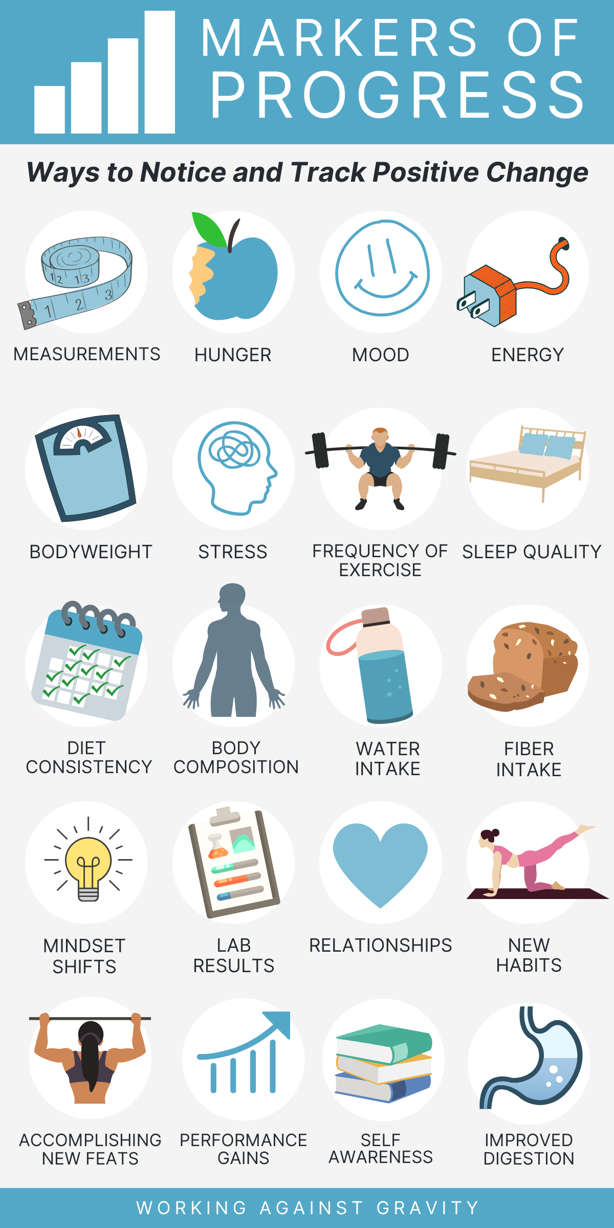
Scale going up in a calorie deficit is rarely cause for alarm. Water retention accounts for most temporary spikes, fluctuating by two to ten pounds weekly due to sodium, carbohydrates, hormones, and stress. Muscle gain can offset fat loss on the scale, which is a positive outcome indicating body recomposition. Tracking mistakes are common, with people underreporting intake by thirty to fifty percent and overestimating exercise burn by up to ninety percent.
Focus on non-scale victories like measurements, progress photos, and clothing fit to stay motivated. Recalculate your calorie needs as you lose weight, since metabolic adaptation slows progress over time. If fat loss stalls for four or more weeks despite verified deficit and accurate tracking, reassess sleep, stress, and consider medical evaluation.
You are not failing if the scale goes up. You are learning. Fat is being lost even when water hides it. Stay consistent with your habits, trust the process, and the results will follow.